


Walking for unity
In a bid to bring unity and comfort to a country stricken by violence, a group of young people has embarked on a cross-country march from Tel Chai to Gush Katif
Dozens of young people from across Israel embarked on a cross-country journey Monday, calling for national unity in the face of disengagement-related controversies.
Many marchers object to the planned pullout, but some do support the move.
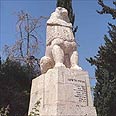
The march began at the Tel Chai memorial site, near the Lebanese border in the north, and is set to conclude on Memorial Day in Gush Katif.
Historic link
The symbolism of linking Tel Chai, Gush Katif and Pesach is sharp: in 1919, when the Tel Chai settlement in the northern reaches of the Galilee was under prolonged attack from Arab marauders, settlement leaders decided that Arab terrorists would gain succor if they abandoned the settlement, and would encourage them to attack other Jewish settlements and cities around the country.
And the group chose Pesach as their starting day because of the symbolism entailed in Pesach: freedom in the aftermath of slavery.
Disengagement opponents argue the current debate about withdrawal from Gaza is merely a repeat of the same arguments.
Stopping the violence
Chen Frum, one of the march organizers, has said he and several army buddies came up with the idea for a march to call attention to the violent atmosphere they say is sweeping the country.
“Together we decided to do something,” Frum said.
The group contacted the Gesher association for logistical support. The organization (the name means "bridge") has been operating for 30 years to bridge the gaps between secular and religious Israelis.
Turning a dream into reality
Regarding the issue at hand - disengagement - marchers' opinions conflict. They say they have many arguments in the matter.
But even withdrawal opponents stress their opposition must never turn violent.
“We believe standing up to the disengagement is a right, perhaps even an obligation, in a democratic society," said one marcher. "But national unity must be preserved at all cost.”
