


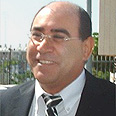
Knesset Member Yehiel Hazan
צילום: אבי כהן
No immunity for you
Knesset passes amendment to law governing parliamentary immunity; from now on, no automatic protection; law paves way for Omri Sharon's plea bargain on front organizations
JERUSALEM - The Knesset ratified an amendment to the parliamentary immunity law Monday evening, removing automatic parliamentary immunity from Knesset members and requiring politicians to apply for immunity in the event of a criminal investigation.
Individual legislators would have to request it if indicted by the attorney general, and it would be up to the Knesset to grant that request or not.
Thirty-six Knesset members voted for the amendment with five opposing and two abstaining.
The passing of the law also paves the way for a plea bargain deal by Knesset Member Omri Sharon (Likud), the prime minister's son, for his alleged involvement in election fraud.
The Justice ministry held up the deal until after the immunity amendment passed.
Background on law
The change in law closes an embarrassing chapter in which attorneys-general could not go after Knesset members.
To put it mildly, legislators were never keen on giving up their immunity, and even pressured other Knesset members not to give it up, as in the case of Knesset Member Yehiel Hazan (Likud) in the case of the double-vote.
However, in the Michael Gorlovsky case there was a huge public outcry for a change in the law. When that occurred, every Knesset member wanted to look righteous and flooded the house with bill proposals.
According to the proposal, the attorney general will pass his indictment to the chairman of the Knesset and legislator in question.
The Knesset member will have 30 days to request immunity, and the matter will come to a debate before a Knesset committee.
Until now, the attorney-general had to request immunity be removed whether the indicted asked for it or not.
The assumption behind the change in the law is that shame will prevent Knesset members from requesting immunity.
Knesset Member Michael Eitan (Likud) said the amendment was "a legal achievement that will strengthen the Knesset, protect the immunity of Knesset members, and limit it only in crucial and justified circumstances."
