


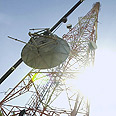
Bezeq antenna
צילום: טל כהן
By power alone
Israel Electric has proven once again: Only power gets things done in Israel
The worrying thing about this week's pre-meditated power outages is not the power outage itself. Lengthy outages happen, and often end in tragedy, in all countries.
Investments in power stations and networks lag behind demand for electricity, which in any event is spinning out of control. In general, electricity is too cheap, and consumers, especially in rich industrialized countries, are too wasteful with it.
Things that were considered luxuries in the past are now considered necessities: air conditioners, freezers, home computers, cordless phones, movie theater-sized TVs and more.
High tech companies require no less electricity – and often more – than traditional industry. Just ask the folks in Silicon Valley.
Waiting to strike
Entire cities around the world, including many in the technologically advanced first world, have been plunged into darkness on multiple occasions, during freezing winters and scorching summers alike.
Electricity shortages lie in wait, and strike equally in summer and winter. There is no model for producing and marketing electricity without serious drawbacks and that are not susceptible to outages.
Public vs. private
Experts have no strong stance on whether public or private ownership of public utilities is the best and most stable model: Separating conductance from production to spur competition or centralization that would allow long-range planning.
There are negative examples of both: Hasty privatization wreaked havoc and disaster on many US states, whereas government ownership of electricity production had the same affect in France during the last heat wave there.
There are many technical and PR explanations for this week's power outages. Those who want to believe Israel Electric had no choice but to cut production will have little trouble proving their point. "No choice" can also be a real answer. It is not always an excuse.
Electricity in Israel is not expensive, and up to now supply has been outstanding compared to the thin margins according to which Israel Electric operates.
Out of sight, out of mind
The truly worrying thing about the current instance is the pattern of hidden action gaining a foothold amongst Israel's public services:
- Phone company Bezeq cuts off – not on purpose, you understand – tens of thousands of customers of a rival cable company, sending a clear message: If you want good, reliable service, you'd better hurry back to Bezeq.
- Israel Electric cuts service – not on purpose, God forbid, but because it had no choice – to large swaths of central Israel and the heart of the country's economy, forcing decision makers to rescind their opposition to polluting power plants.
- Israel Railways ties up train traffic – not on purpose of course, no ill will here – frustrating passengers and forcing the government to add billions of shekels to the company's annual development budget.
These examples may (or may not) be different than one another, and the boards and workers' unions of each react differently. We are always suspicious of manipulative corporate behavior and attempts to screw the public.
Power talks
Still, the lesson is clear: Power, and only power, works in this country.
If you want to make gains, to get ahead, to change things, you'd better flex your muscles and cause some damage. Cut off, silence, push off, cut back. Don't worry about evidence. It's enough to talk about violence. It always works.
But violence isn't always physical. Cutting electricity or phone service is also violence. So is an extended delay of a train or a ship.
It appears that in Israel, only the language of force is understood. Those who cause damage will get what they want.
