


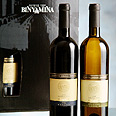
Israeli wine industry penetrates Far East markets
Wine tasting event in South Korea, Japan aimed at promoting Israeli sales
The 'Israeli wine, taste from the Bible Land' wine tasting event held in Korea was the initiative of the Israeli attaché in Seoul, in cooperation with the IEICI.
“South Korea is an excellent potential market for Israeli wineries for two reasons: Firstly because of the increase in wine consumption, and secondly because of the high market prices”, explained Michal Neeman, business development manager of the Food & Beverage branch at IEICI.
The Commercial Attaché at the Israeli embassy in Seoul, Alon Shlezinger, emphasized that most of the wine sold in Korea is imported.
“The local market imports wine to the value of $60 million annually - approximately 340 different kinds of wines, 10 of which hold 70-80% of the market share in the country. The Korean wine market has the highest growth rate in Asia.”
The first seminar held in South Korea was defined as an Israeli wine seminar, at which 44 wines from 12 leading Israeli wineries were introduced, including Yatir, Barkan, Binyamina, Chilag, Suson Yam, Carmel, Castel, Efrat, Emek Haela, Harei Galil, Recanati and Ramat HaGolan.
Israel’s renowned wine columnist, Tal Gal-Cohen also attended the event and held a seminar on Israeli wines.
Korean appreciation for Israel
According to Neeman, the event included two seminars as well as a wine competition, the 'Korean Challenge' which gained wide media attention.
“The media was invited to the competition, and the Israeli wines received excellent exposure. Participants filled out feedback questionnaires at the event, interest was high, and we are in contact with Korean importers interested in Israeli wines,” said Neeman. “We feel confident that this event will lead to the increase of Israeli wines being exported to Korea.”
The Commercial Attaché, Shlezinger, added that the Koreans have an appreciation for Israel and a positive attitude toward the country, which is largely due to their religious Christian background.
Shlenzinger: “Even though only one third of the Korean nation is Christian, most of the leaders and economic elite in the country are Christian. The number of tourists visiting Israel from Korea is high, and it is the only country in Asia that did not record a drop in the number of tourists following the recent security events in the Middle East.”
The event held in Japan was focused mainly around the Israel National Pavilion at one of Japan’s leading food exhibitions, FOODEX, held near the capital city, Tokyo. For the first time at the Israeli National Pavilion, 15 Israeli wineries introduced their wines to the Japanese market, which also has a thirst for high quality imported wine.
Israeli wineries exhibiting at FOODEX included Carmel, Binyamina, Efrat, Haela, Hagalil, Yatir, Suson Yam and Vitkin. A wine tasting event was also held at the Israeli Ambassador’s home in Tokyo in cooperation with Gal-Cohen who visited Japan and Korea specifically for these events.
According to Amiram Halevy, Israeli Counselor for Commercial Affairs in Japan, the Japanese market for imported wines is experiencing rapid growth, especially as regards red wine, which is popular throughout Asia due to the health benefits related to it.
“Two thirds of the wine consumed in Japan today is imported, especially from France,” said Halevy. “At the Consul we have set up a ‘committee’ for promoting the export of Israeli wine to Japan.” Halevy added that the Japanese have expressed high interest in participating in events organized by the Consul to expose the Japanese to the taste of Israeli wines.
Reprinted with permission of The Israel Export and International Cooperation Institute
