


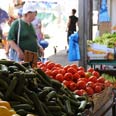
November CPI surprises with 0.5% fall
Consumer price index beats moderate forecasts, recording relatively sharp decline due to reductions in prices of fresh vegetables and fuel. CPI up 1.4% since beginning of 2012
The CPI's decline was mostly affected by the drop in prices of fresh vegetables, vehicles' fuel and oil additives and housing services, which together contributed to a 0.4%.
Hikes were recorded in the prices of bread, milk, clothing and car insurance. The prices of tomatoes were reduced by 23.4% after a significant price increase in recent months.
Among the fresh vegetables, the following recorded sharp price reductions: Cabbage (40.2%), tomatoes (23.4%), peppers (20%), beets (19.9%), zucchini (11.3%), eggplant (10.1%), fennel (5.7%), radish (5.7%), squash (4.5%), potatoes (4.4%), lettuce (3.1%) and carrot (2.4).
The price of onion, on the other hand, rose 6.3%, and the price of fresh mushrooms went up 1.6%. In total, fresh vegetable prices were reduced by 12.8%.
The fruit index recorded a 7% decline. The prices of the following fruits were significantly reduced: Kiwi (28.6%), bananas (23.2%), avocado (21%), persimmon (14.4%), melon (11.7%), oranges (10.6%), lemons (10.4%), grapefruit (9.6%), tangerines (3.8%) and apples (2.2%).
The prices of some fruits increased, including grapes (16.9%), plums (7.3%), mango (4.6%) and pears (1.3%).
Blow to pastry lovers
The food price index, which does not include fruits and vegetables, increased by 0.8%.
The following products recorded significant price hikes: Halva (7.8%), sausages (7.3%), frozen dough and pastries (4.5%), margarine (4.3%), eggs (3.6%), special bread (3.1%), vinegar, mustard and dressing (3.1%), mayonnaise (2.8%), cookies and biscuits (2.5%), noodles and spaghetti (2.3%) and frozen poultry (2.3%).
The prices of cake and baking products went up by 2.3%, soft drink prices rose 2.1%, cereal – 1.9%, wine – 1.9%, buns and bagels – 1.8%, salty snacks – 1.8%, soft white cheese – 1.8%, hard cheese – 1.8%, white flour – 1.6%, challah – 1.3%, minced meat – 1.2%, and fresh poultry – 1%.
The prices of turkey and chicken breast went down by 3.5%, fish prices dropped 2.6%, soup powder – 2.3%, chocolate – 1.5%, and Turkish coffee – 1.4%.
Rent prices rise 0.1%
In the housing market, rent prices increased by 0.1% and the cost of building index rose by 0.3%. Since the beginning of the year, the cost of building index has gone up by 3.2%.
The clothing and footwear index rose 3.7%. The prices of women's shoes went up by 1.5%, while the prices of men's shoes increased by 1.3%.
Public transportation and communication prices dropped 1.3%. Products and services which recorded significant price reductions include vehicles' fuel and oil additives (4.3%), trips abroad (2.6%), cellular phone services (2.4%) and transport services (1.4%).
How did previous indices do?
October's CPI fell 0.2% thanks to decline in the prices of housing services, fuel and fresh vegetables. The September CPI remained unchanged from August, despite a 13% increase in vegetables prices. The August CPI soared 1%.
Another high CPI was recorded in April, when prices went up by 0.9%. In addition to the September CPI, the indices of May, February and January remained unchanged too.
Since the beginning of the year, the consumer price index has increased by 1.4%.
