


‘They say angels come for a limited time’
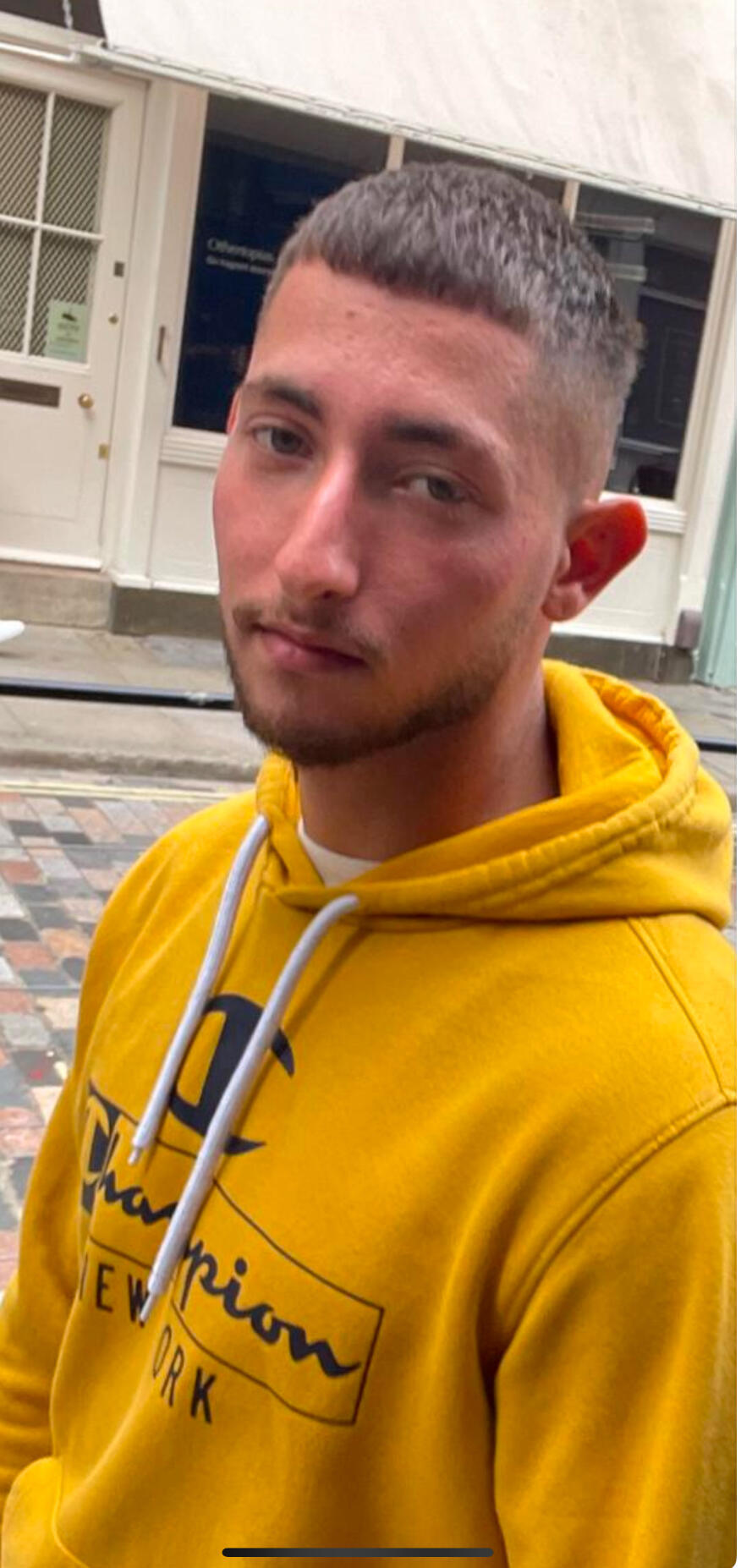
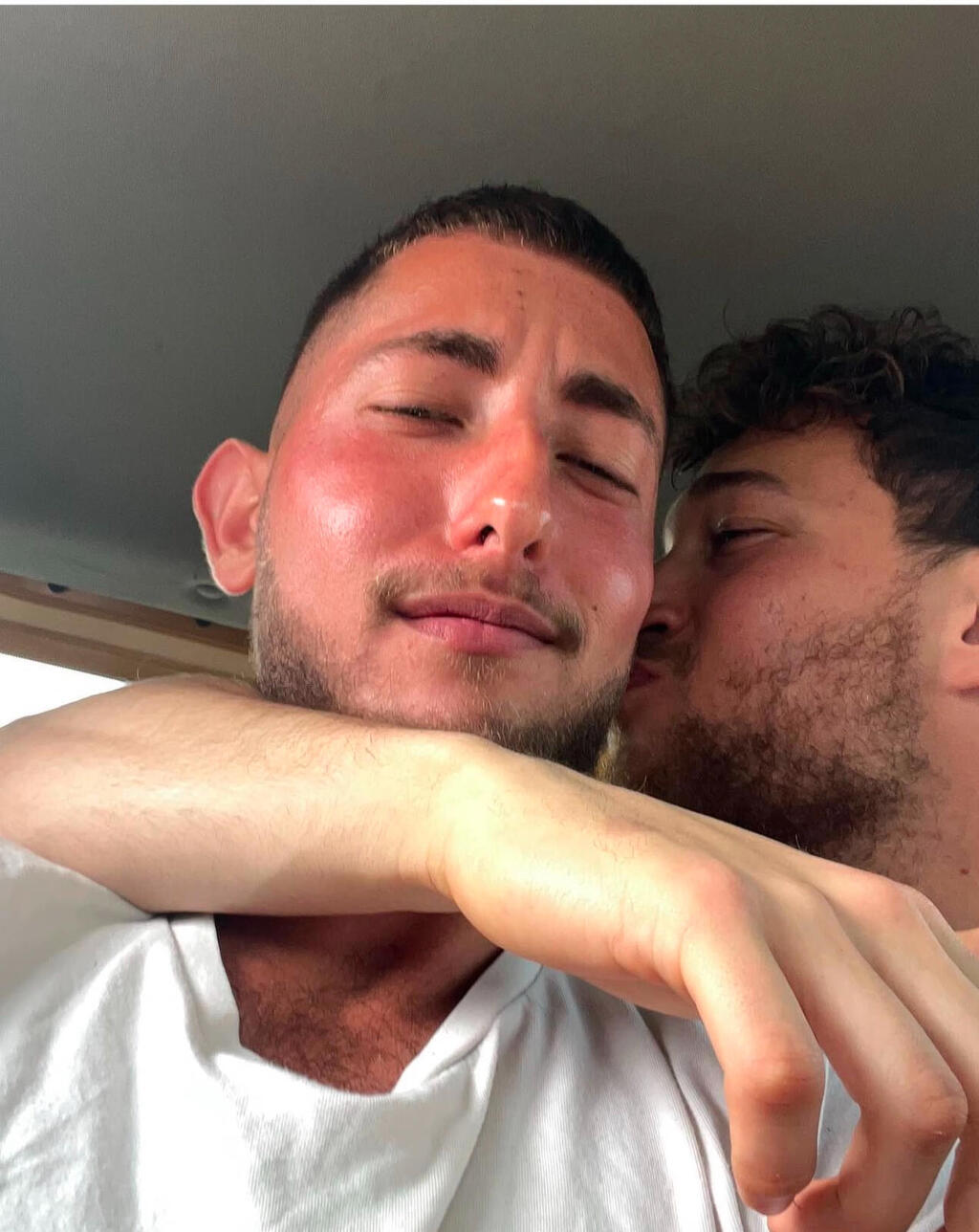
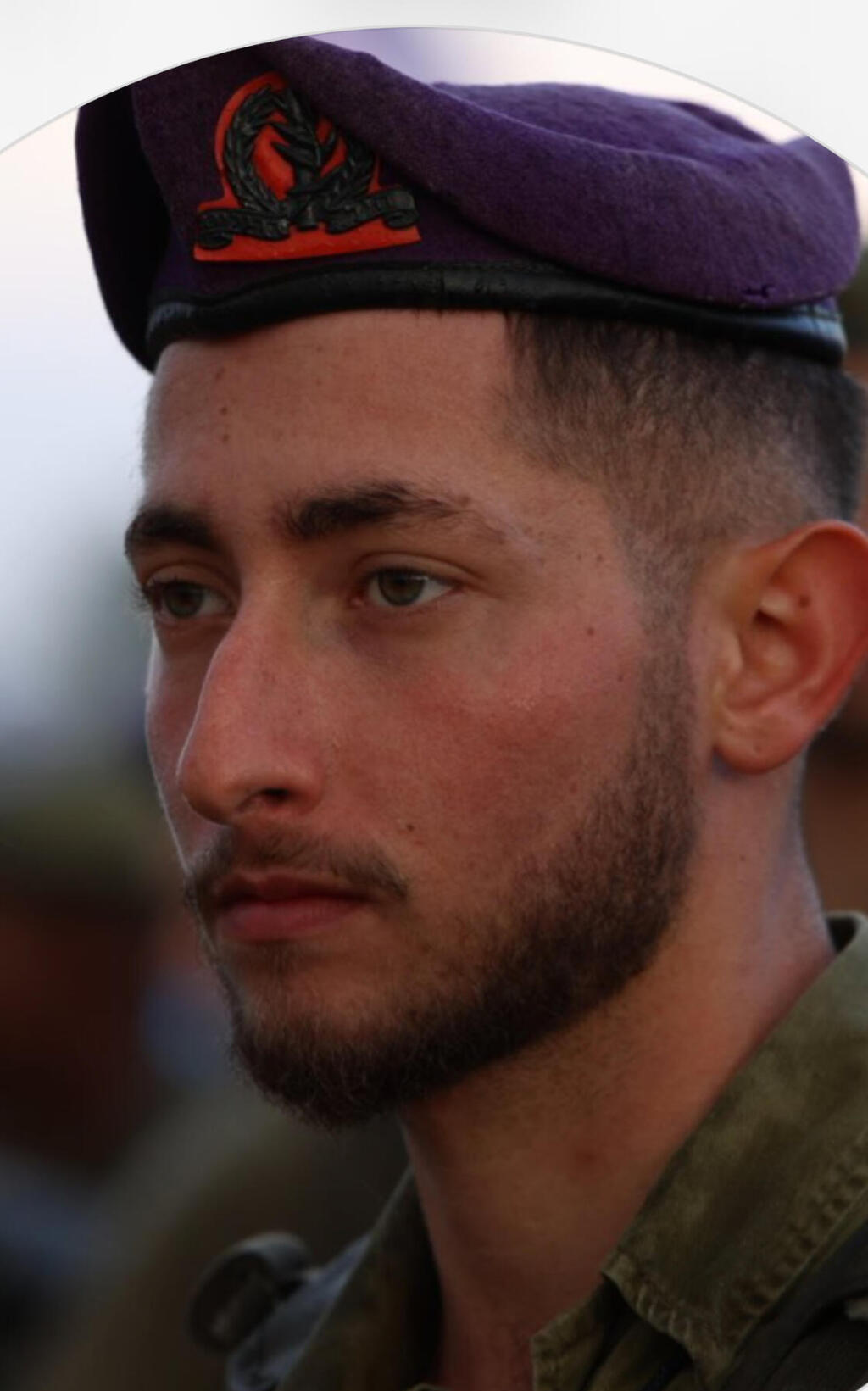
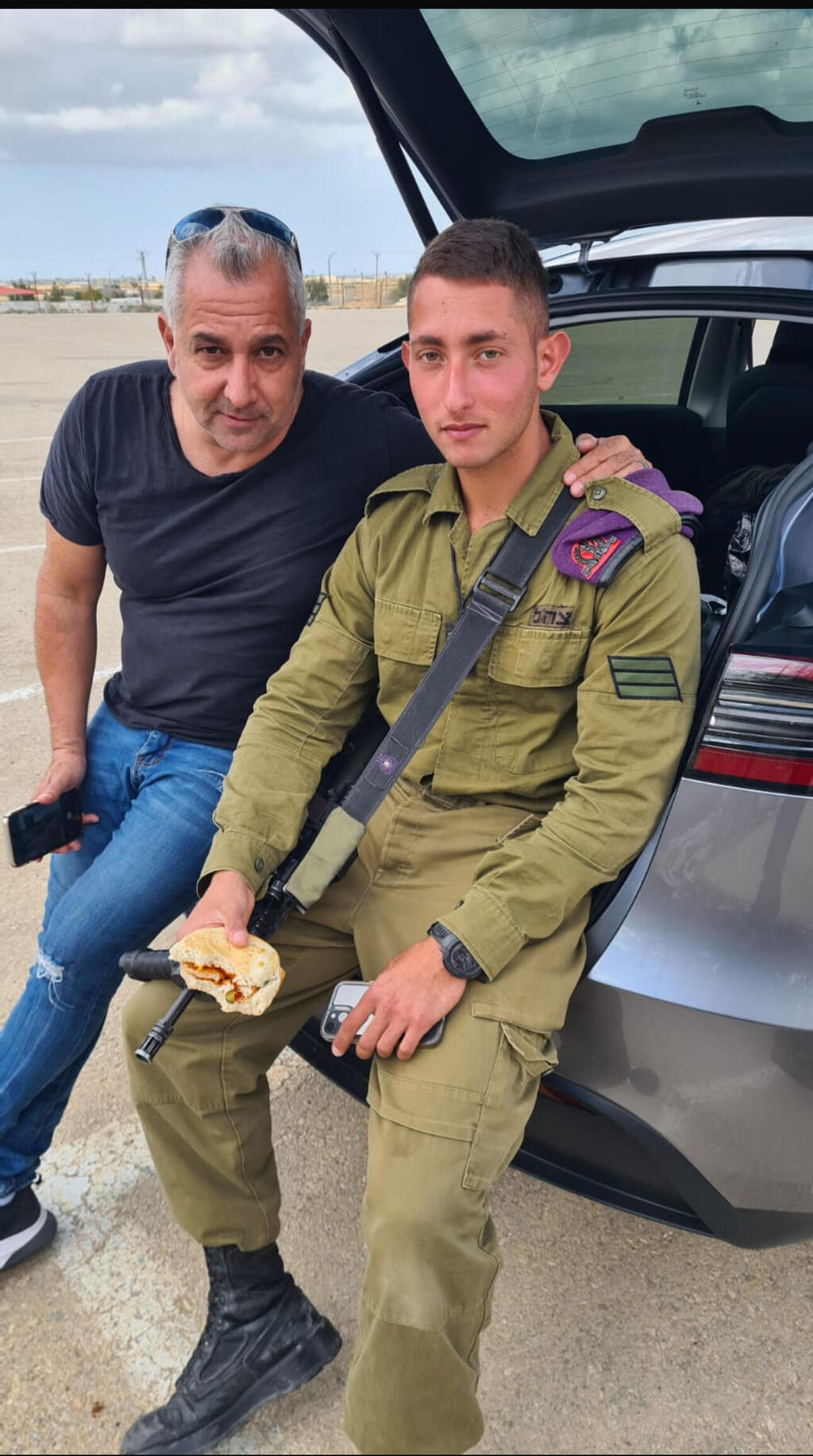
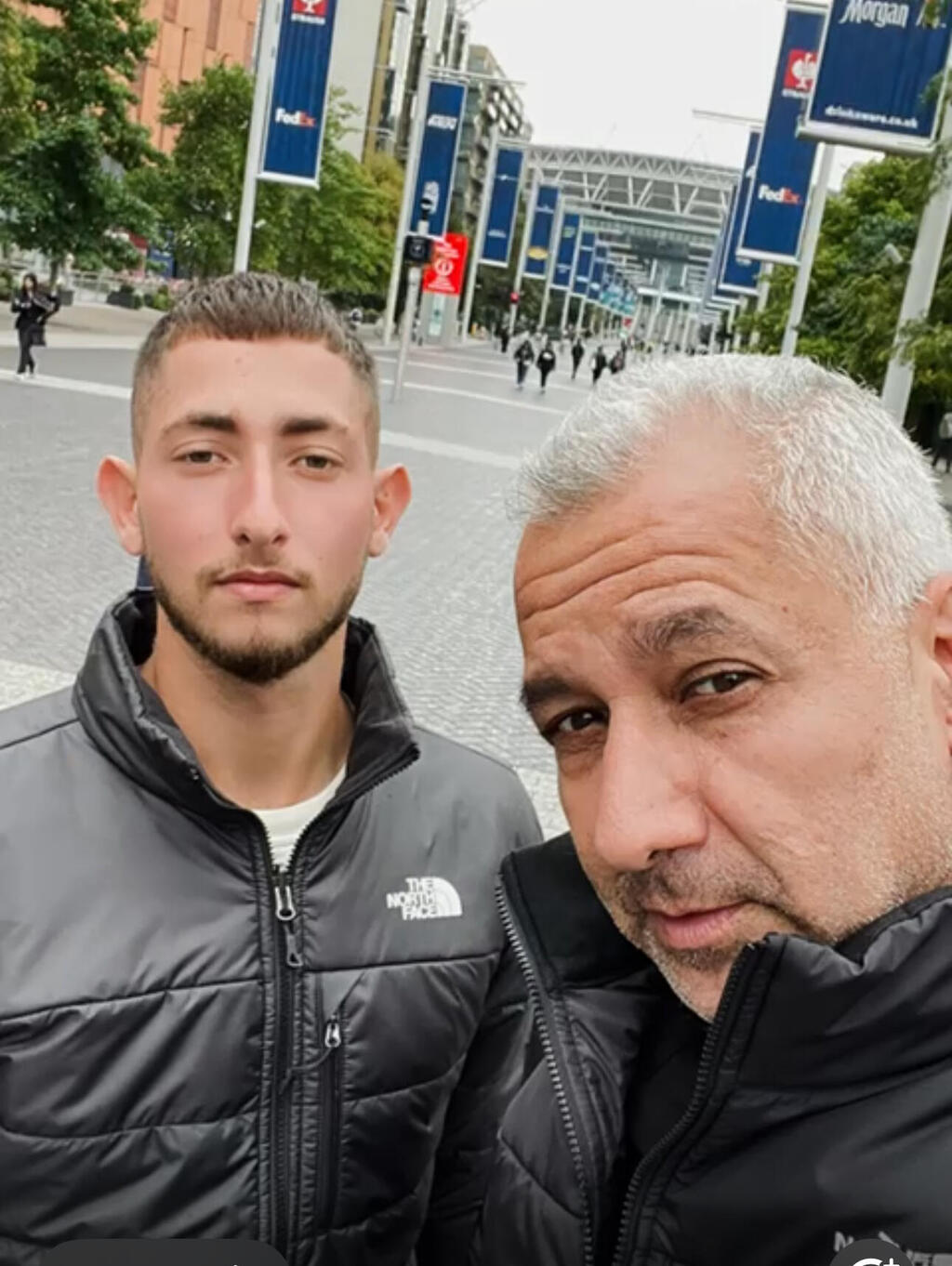
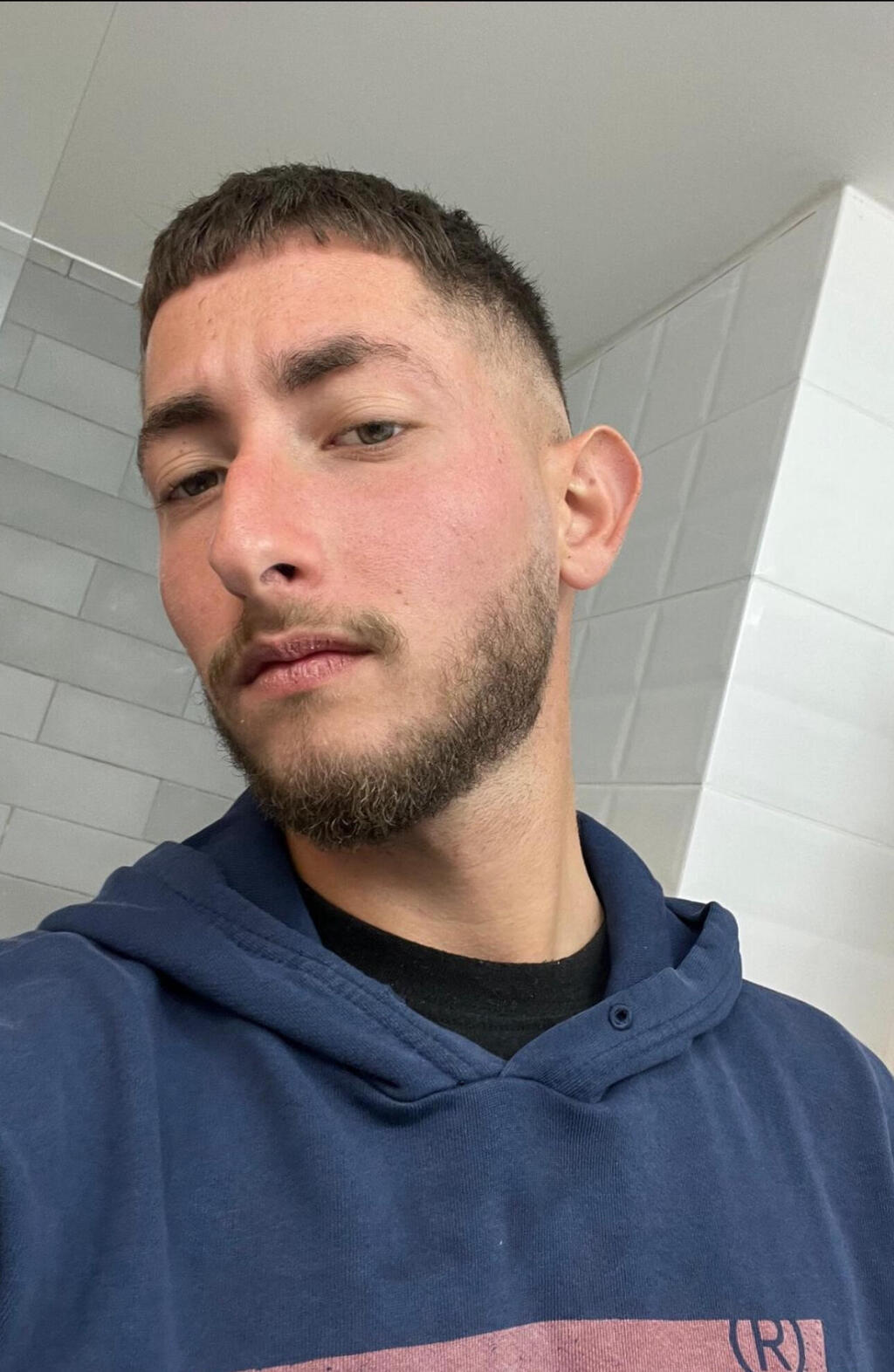
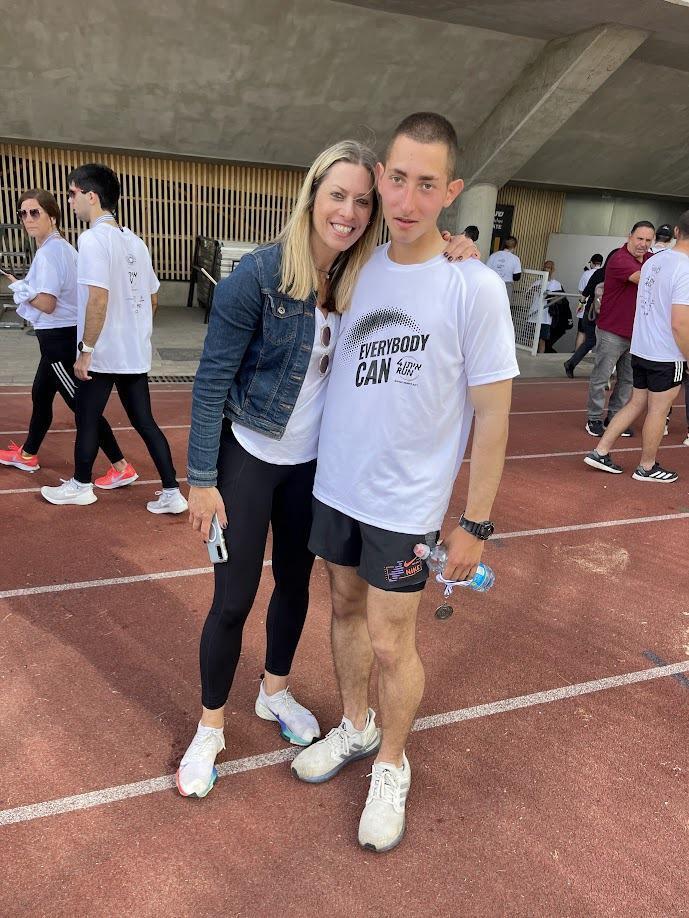
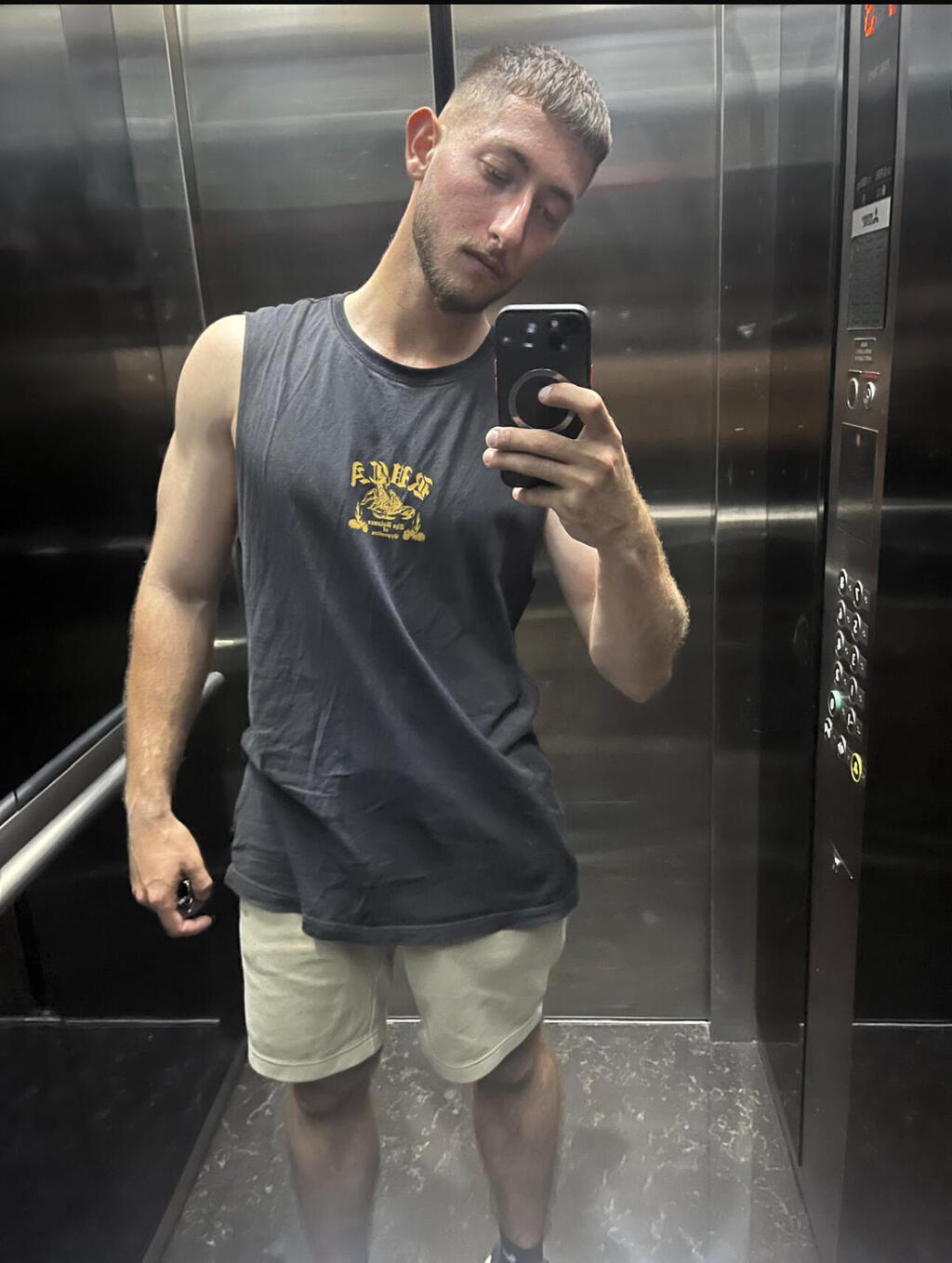
Staff Sgt. Sahar Sudaei OBM of the Givati Brigade, the son of Meirav and Yossi and twin brother of Shahar, fell on May 26, 2024. He was 20. Sahar was killed in an operational activity during the Iron Swords war in the northern Gaza Strip, in a mission to recover the bodies of three hostages.
1 / 8
“Sahar was an angel. A child who brought us so much pride. He loved people, he cared deeply, a very special child, and too quiet,” his parents say longingly, describing a funny and captivating boy who from a young age was “the responsible adult in the room.” Even as a child, his mother Meirav says, he was someone people could turn to for a genuine opinion. “Sahar was a true friend and he created so many good friends around him. Time after time, he proved to us that in his own way, in his quiet, in his modesty, he succeeds and reaches the very best he can,” she says.
Sahar’s twin sister, Shahar Sudaei, shares the unique bond they had, one only twins can understand. “When you’re a twin, it’s different. You go through every stage of life at the same time — kindergarten, school, birthdays and holidays. It’s a very close and deep bond.”
‘Just do it’
“During his studies, he completed a major in software engineering, with highest honors,” his father Yossi says proudly. And true to his nature, both at the end of his studies and throughout his army service, Sahar did everything in the best possible way. “Sahar was a very supportive, inclusive and accepting brother,” his sister says through pain. “Even if we argued, he would always make sure that I ended the argument satisfied as well. That’s something that always characterized him.”
When his parents say “too quiet,” they mean the many things Sahar did with exceptional humility. His mother recalls a story from his youth. “We had a neighbor who had cancer. Sahar was 15 and that boy was 9. Sahar went to tutor him and help him with homework. He did it quietly and didn’t talk about it much.” The same was true in the army. When his parents arrived at a ceremony marking the end of his training, they discovered he had been named company's outstanding soldier. “On the way to the ceremony, his friends came up to us praising him, ‘What a son you have’, right next to him, and he was all embarrassed and red, and you know he’s the outstanding soldier,” his mother recalls. “We said, ‘Sahar, why didn’t you tell us?’”
After his death, the family was exposed to many more stories they had never known. “When I tried to understand, to verify whether this story was true because I heard about it in the news, no one knew,” Shahar says. “Even his closest friends didn’t know about it, and that really surprised me. I knew that was Sahar, that that’s who he was, always doing good for others, but I didn’t know I would now hear new stories I hadn’t known.” “He did everything quietly,” she adds. “He was humble, empathetic. He saw the other person, and you could see it in everything he did and in every story we heard.”
‘Now it’s my time to contribute to the country’
Before enlistment, every path was open to Sahar. His mother hoped that, as an outstanding student, he might choose higher education rather than combat service. “He told me, ‘Mom, don’t worry, I will study, but now it’s my time to contribute to the country.’ He was completely certain of his path,” she says in tears. Sahar enlisted in the Givati Brigade and in his last position served as a platoon sergeant for a unit of yeshiva soldiers. “He really studied their world in order to be a good commander for them,” his mother says. “They told us afterward that they once overheard a discussion about how long to give them a break, and they heard Sahar insist, ‘No, they need time to eat, to pray and to have enough time.’”
During the Iron Swords war, Sahar and his comrades were sent on a mission in northern Gaza, in the Jabaliya area. “Their mission was to extract three hostage bodies,” his father says. “Sahar really insisted on going on that mission, even though another sergeant was supposed to carry it out.” His father describes: “The moment they went in, I began to panic. I felt like it was coming. I just felt it.” His mother says that in an area swarming with terrorists, Sahar, together with all his soldiers, positioned them correctly, and in doing so saved them all. “Only he was hit by an RPG. He was killed instantly,” she says.
On the day of the incident, his twin sister describes entering his room and looking at his photograph. “I stopped for a few seconds on the picture,” she recalls. “I had a smile of pride, something that had never happened to me before. Only afterward did I understand that I had felt it, that I felt inside that something was happening. That’s the twin connection.”
‘We don’t have our future together’
The devastating news was delivered first to Shahar. “They informed me first, and I felt like I was going on some kind of mission on how to tell our parents.” Meirav shares the complexity of that moment. “My principal, her son was also in Gaza at the time, and they came to her. She was sure they were coming to inform her at the school. It was not a simple situation, and they told her they were looking for me. I wasn’t at school.” At noon, Meirav arrived home. Shahar was waiting outside and did not go in. She waited until her mother was informed and only then went upstairs. “These are minutes you cannot forget,” Meirav says through tears. “That look of the casualty notification officer delivering the news and that terrible reality, that we will not see Sahar again.”
“He did things in the best way he knew how,” his father says. “He paid the heaviest price there is, his life, and we pay it every day.” His mother speaks of coping: “It’s walking down the street and seeing what he’s missing, seeing children who maybe look a little like him.” The loss is unbearable, from small, everyday moments you want to share to the big plans for the future. “After quite a long period, I allowed myself to contain the situation on my own,” Shahar says in tears. “To understand what I’m going through. We don’t have our future together. We won’t grow up with families and children together, and I won’t be an aunt. And that’s hard.”
‘Commemoration, a new work that eases the loss’
Regarding commemoration, his parents say, “I try to do everything I can so my son will be remembered,” his father says. “We built a lookout in Sahar’s memory in the Modi'in area. We initiated a fitness park where he trained before the army, a park in his memory and in memory of another friend who was with him. Commemoration is a kind of new work that has been created because in the end, that’s what you have left.”
Sahar’s friends, who he had hoped and planned to travel the world with, now travel carrying flags bearing his name and keeping him in their hearts. “So I hope his soul is somehow with them,” his mother says in pain. “They say angels come for a limited time, so we had him for only 20 years.”
May his memory be a blessing.
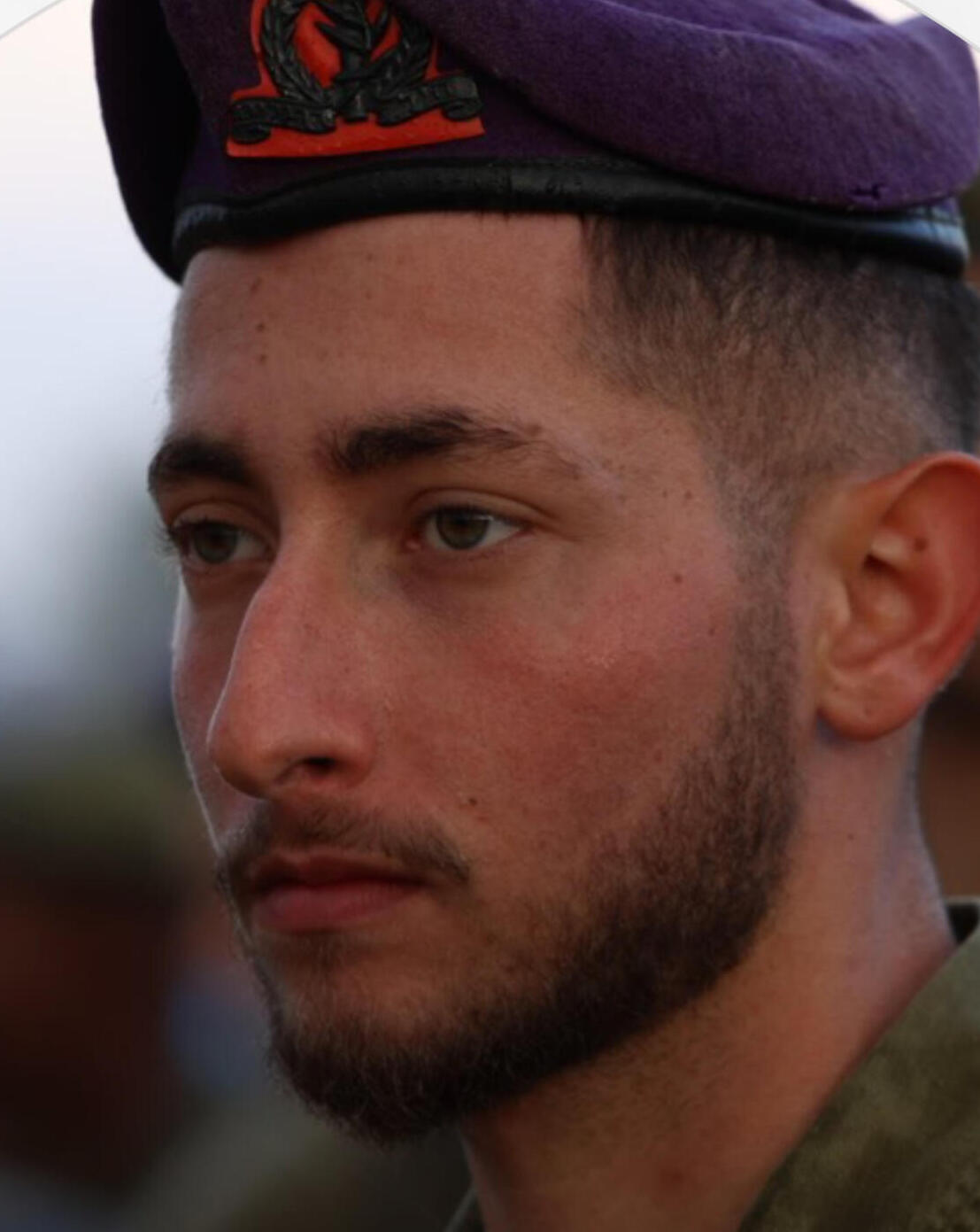
Staff Sergeant
Sahar Sudaei