


Staff Sgt. Ori Karmi OBM fell in battle at Nahal Oz: ‘I was afraid I would not get to say goodbye’
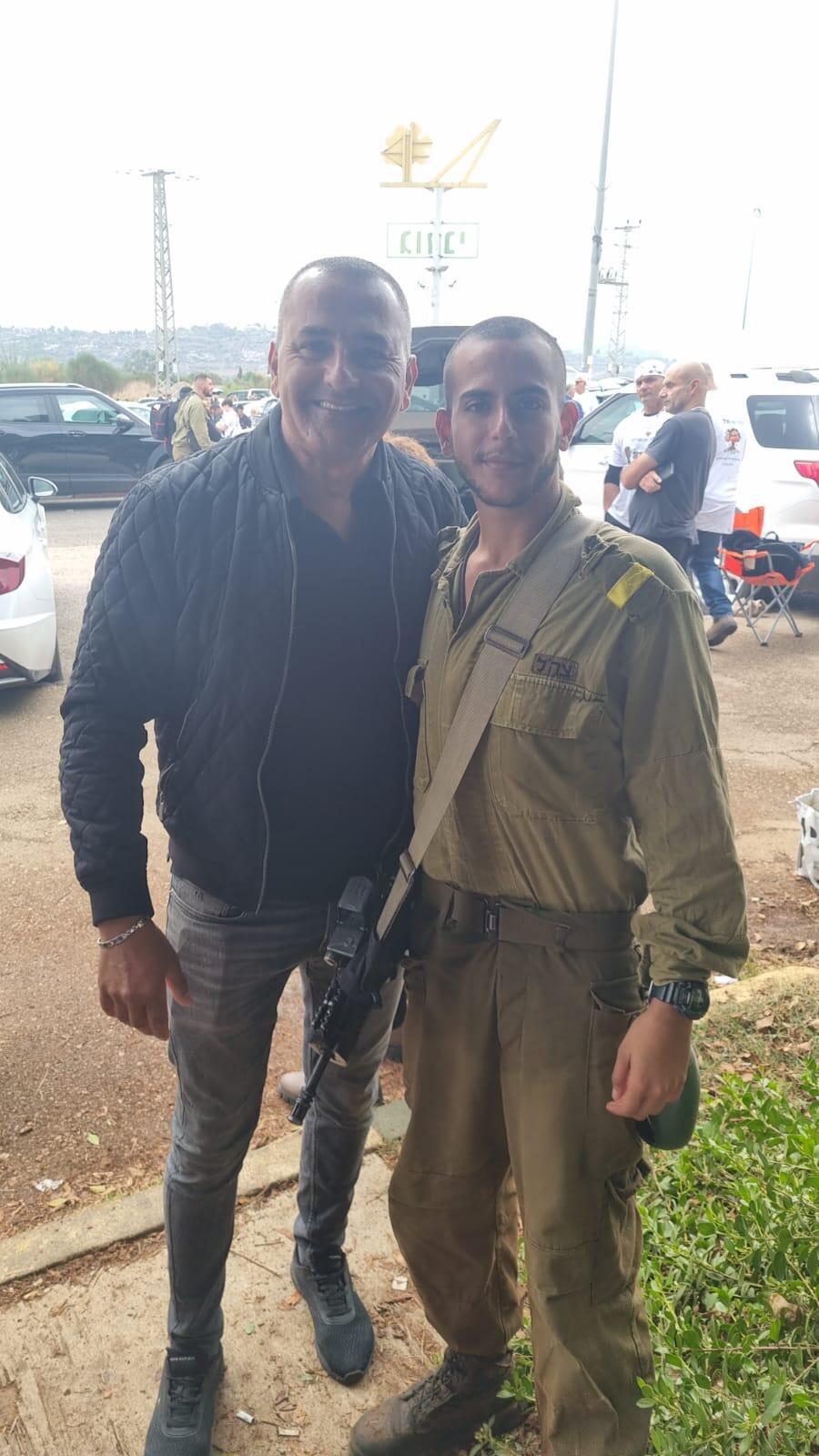
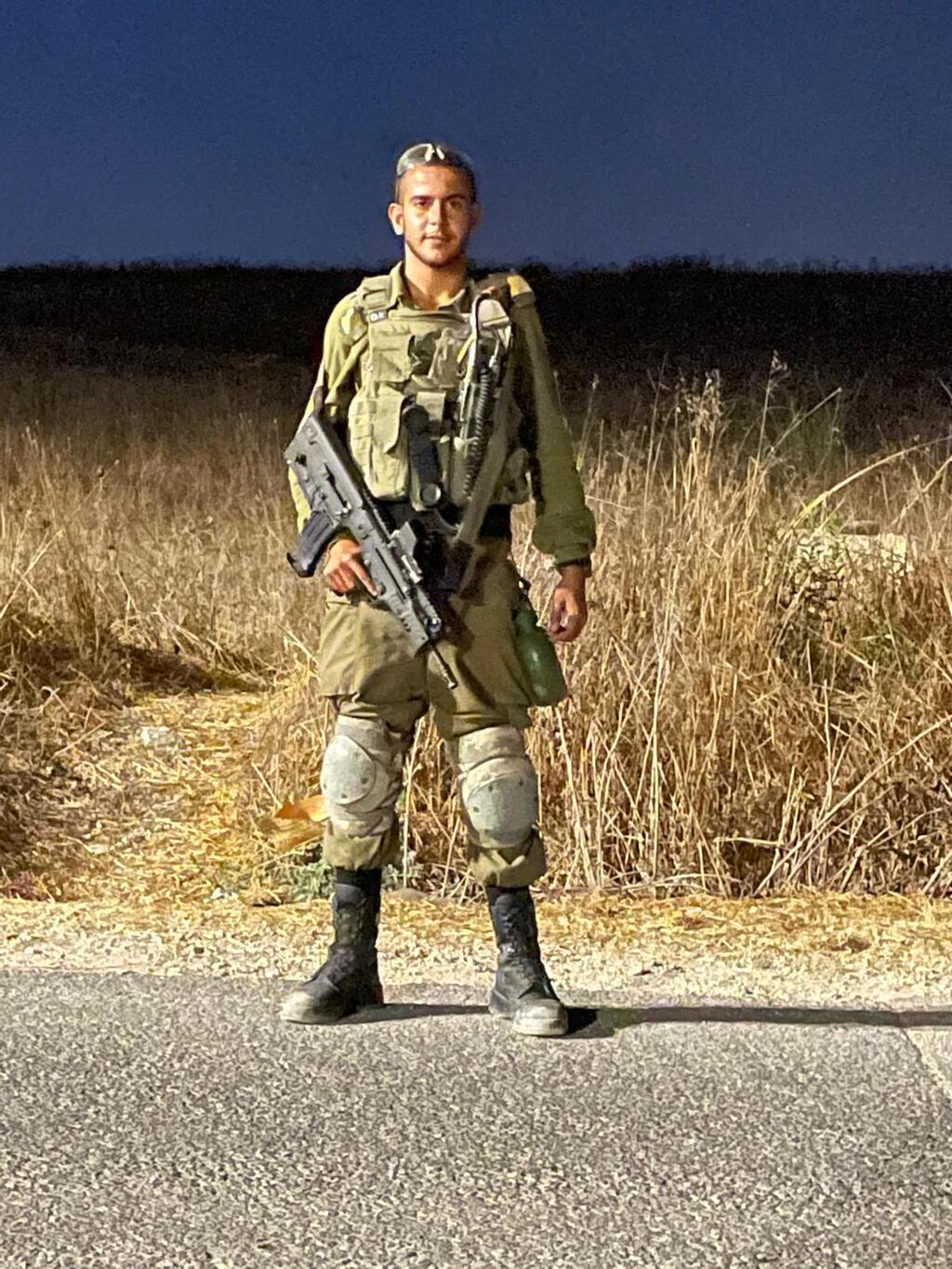
Staff Sgt. Ori Karmi, a 20-year-old infantry soldier, fell on Simchat Torah Saturday after fighting alongside his comrades at the gate of the Nahal Oz base until their ammunition ran out. His family describes a joyful, magnetic young man for whom family came before everything else, and who even after his death continues to inspire a path of life and light. “He fell on Saturday, on Simchat Torah, in sanctification of God’s name,” his mother says. “I am proud of him,” his father adds.
1 / 6
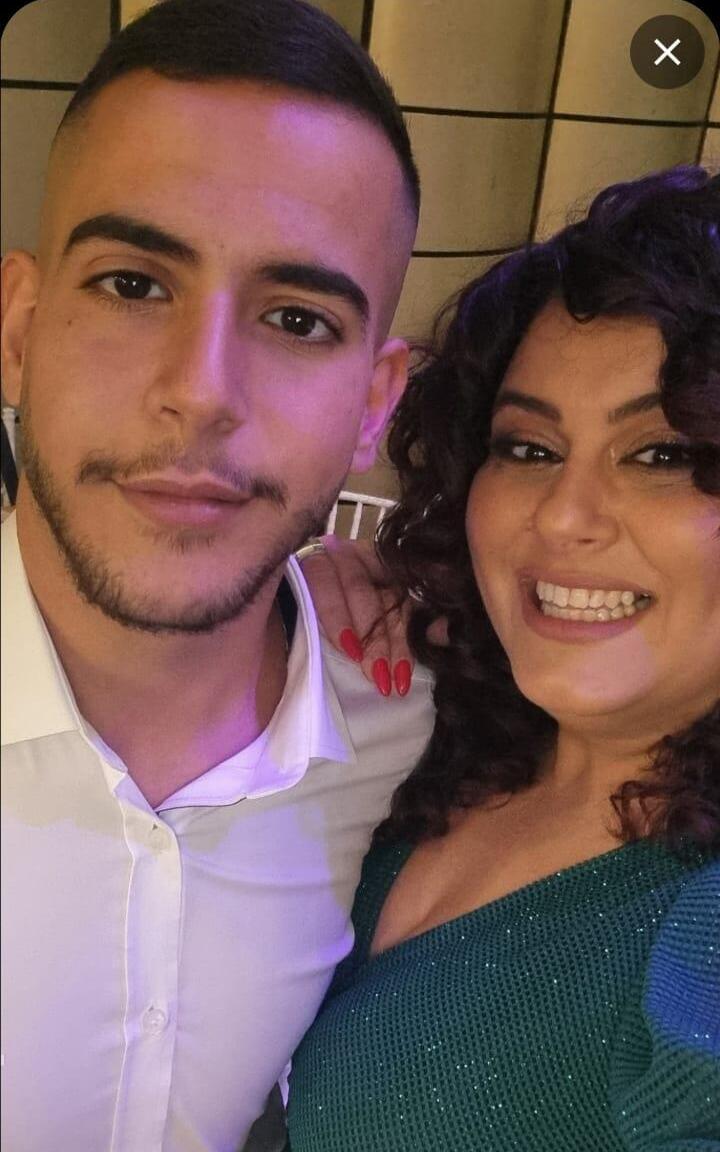
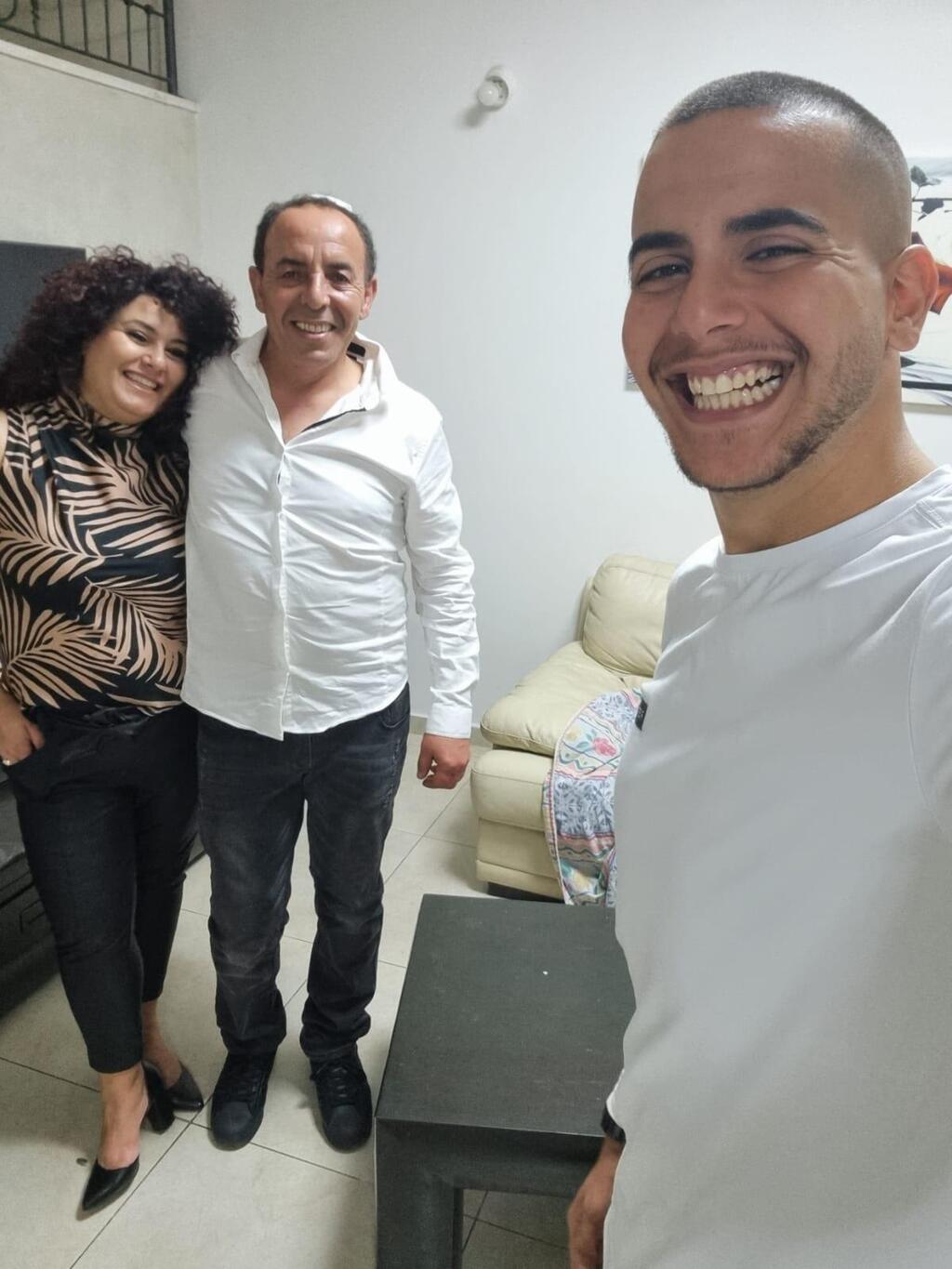
“First and foremost, Ori was a smiling child. A happy child. He was always like that,” his mother, Liat, says. “A child who was a magnet. I used to call him a spotlight.” According to her, when Ori entered a room, the light entered with him. “A child who immediately touched the heart. His smile, his energy, he always drew friends around him. No one was ever left out. He was the glue that kept the group together.”
Ori was hardworking, smart and witty. Mischievous like any child, but with something extra. “He had light,” his mother says. “He would look at you and radiate light.” She says that even when she tried to be angry with him, it never really worked. “Every parent gets angry, that is life. But he was a child who captured hearts the moment you saw him.” “His smile made me melt,” his father says.
We were there for one another
Ori was born on December 22, 2002, the son of Liat and Dror Carmi, and brother to Lidor and Ella. At home there was a close family dynamic, sometimes loud, but united. “There were many fights and arguments,” his sister Lidor says, “but somehow we always knew we would be there for one another when it mattered.” Even with their parents, she recalls, there was a clear sibling alliance. “We would unite. We are siblings, and no one gets mad at us.”
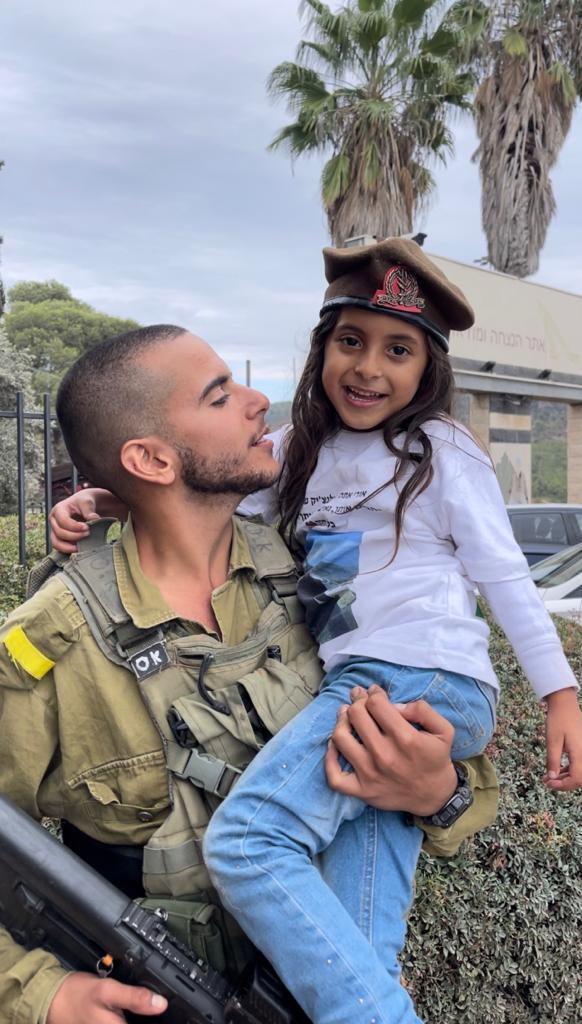
For Ori, family came before everything. “There is nothing greater than family,” his mother says. His bond with his sisters was central to his life, especially with Ella, who is 15 years younger than him. “Ella is the candy,” he would say, and that was how he treated her. He protected her, played with her, built puzzles with her, and made sure she was always happy. “He was the best brother in the world,” his youngest sister says. “He was always tickling me, making me laugh. I was so happy.”
Enlistment to Golani
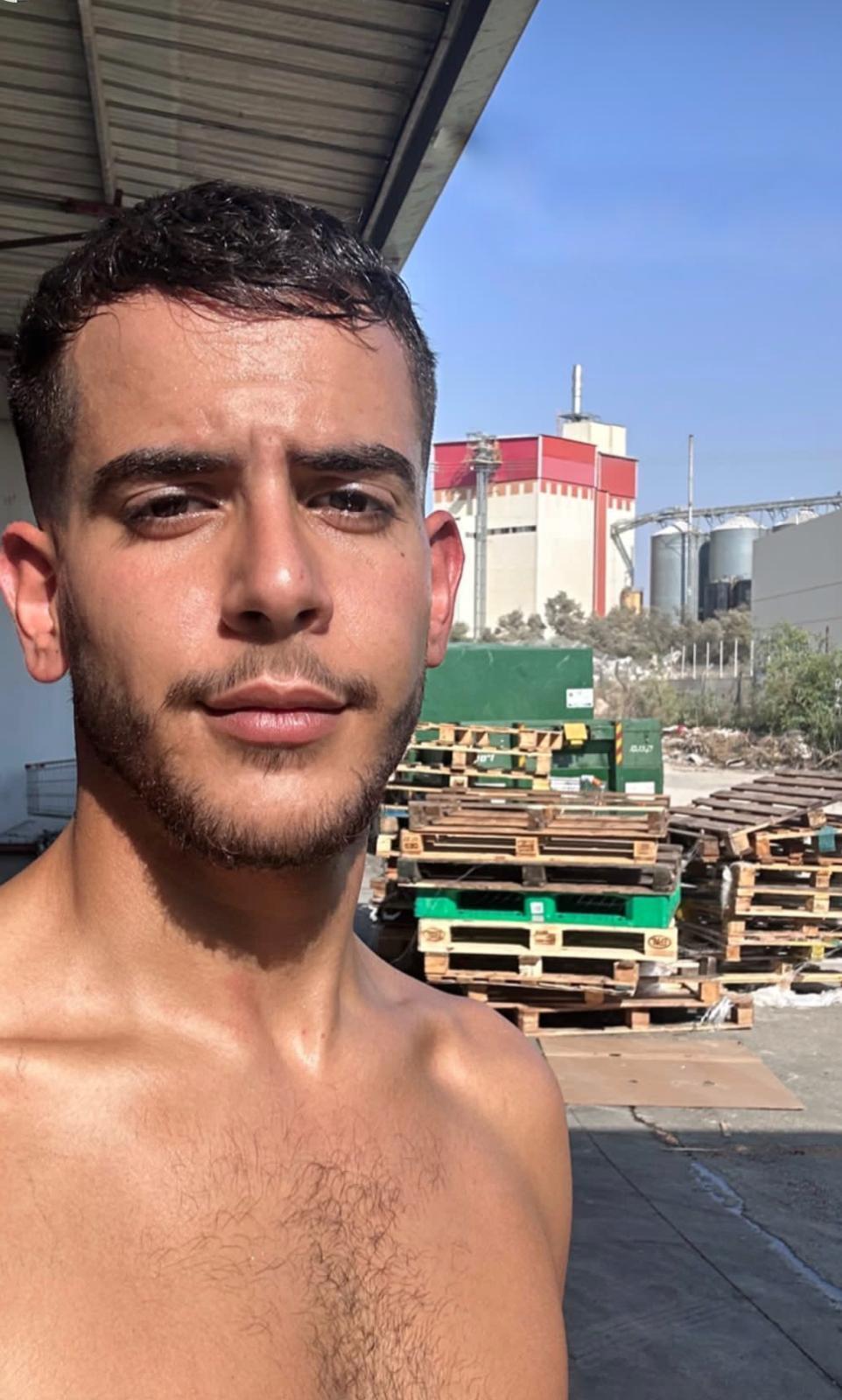
His father recalls that “at a certain point Ori also talked about other directions. He started talking about becoming a barber, worked in a barbershop, loved aesthetics, clothes and brands. A handsome guy, both on the outside and at heart” his father says. “I told him, whatever you decide to do, we are with you. But the army, of course, is something you do.” Ori did not hesitate. “Of course, Mom,” he told her. “I will find my path.”
That path did not begin in Golani. His initial assignment was not his choice, and he did not want it. Then, his mother says, “suddenly he became serious.” Ori completed the “Beret March” with distinction at the Golani Junction, with his family accompanying him in the final kilometers. “You saw a fighter,” she says. “Holding the rifle in his hand, with force, as if saying, I did it.”
He was later assigned to Battalion 13, Company B, ‘The Silent Wolves.’ His friends said that during the march there were fighters who said that without Ori, they would not have made it. He was the one who lifted others up, who carried, who gave the feeling that it was possible to keep going just a little more.
On the eve of Sukkot, the last meeting took place. Lidor was leaving their parents’ home, and Ori ran after her with a towel. “I was afraid I would not get to say goodbye,” he said, and hugged her tightly. An unusual hug, one that stays with you. “That was my last meeting with Ori,” she says.
Waking up to sirens
“At seven in the morning we woke up to a siren. We tried to call him and he did not answer. It did not raise a red flag for me. I thought he was simply busy. A few minutes later he sent a message: ‘Don’t worry, everything is vov.’ Immediately afterward he corrected it: ‘tov’ (good),’” his mother says. His father adds, “Even then we understood that something here was not ordinary. Lidor, my daughter, suddenly came in and showed me a video of a pickup truck in Sderot.” “Very quickly I took on one clear role. To understand what was happening with my brother,” Lidor says. “I opened every message about a suspected captured soldier and watched every video. Each time I identified that it was not him. I went down to Mom and told her, "If they say there is a captured soldier, know that it is not Ori.”
But he was not answering. “I wrote in groups, asked if anyone knew what was happening at the Nahal Oz base. From that moment, many messages started coming in. Some of them were very hard. There were also messages saying that Company B had been wiped out. Mom tried again and again to reach him, and he did not answer.” “In the meantime, the parents’ groups began to boil,” his mother says. “That was the hardest part. Hearing mothers crying out to hear something from their child.” “Every night we went to sleep without knowing what we would wake up to in the morning, the alarm clock or Mom’s scream,” his sister Lidor says. In retrospect, they learned that already that same day, after two hours, it was known that Ori had fallen together with other Golani fighters, and in total dozens had fallen at Nahal Oz. “We were only notified after three and a half days.”
On Tuesday, toward evening, his mother says she stood in front of the mirror and spoke to him. “We called him Fishki, that was his nickname. I said to him, Fishki, you promised Mom you would come back on Wednesday.” She says that “at night, at 1:30 a.m., there was a knock on the door. He really did come back on Wednesday. But not in the way I expected him to return.”
From the investigations delivered to the family, it emerged that Ori, together with platoon sergeant Dor Lazimi and Adir Bugla, ran toward the sector gate and fought from 6:36 a.m. until 7:25 a.m. All three fought until their ammunition ran out, and fell heroically. “I trusted him so much,” Lidor says. “I knew he was brave, but I did not know how much.” Alongside the pain, she also speaks of deep pride. “It is so painful that I lost my brother, and I am proud of him.”
Ori fell on Saturday, on Simchat Torah, 22 Tishrei 5784, at age 20. At home, the family chose not to turn memory into a monument. “The entire house is Ori,” his sister says. “Not commemoration, life. Just as he was in his life, alive, vibrant and breathing.”
A year after his death, Uria was born. Ori’s greatest wish had been to be an uncle. The first word she said was ‘Ori.’ “She arrived exactly when we so desperately needed joy,” his sister Lidor says. “I feel that she knows the purpose for which she came, how much we needed joy.” “What remains of Ori? Everything,” she concludes. “Not a frozen memory, but a living presence.” That is how he was in his life, and that is how he is in his fall.
Staff Sgt. Ori Karmi was laid to rest at the military cemetery in Rishon LeZion.
May his memory be a blessing.
Staff Sergeant
Ori Karmi