


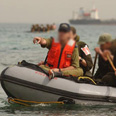
Dozens of naval cadets get skin disease
Participants in IDF naval officers course diagnosed with highly infectious impetigo skin disease; officers course put on hold; troops contend poor hygienic conditions are at fault
HAIFA - Dozens of cadets in the IDF's naval officers course have been infected with bacteria that cause the impetigo skin disease, Ynet has learned Sunday.
The troops were sent homes on two weeks sick leave, and the prestigious naval course has been put on hold for the time being.
Moreover, another soldier was hospitalized in serious condition due to a urinal infection, pneumonia, and liver malfunctions; he was later released following intensive treatment.
The outbreak revealed poor hygienic conditions in the barracks, including bed sheets that have not been changed for months, repeated use of shaving utensils and 30-second showers.
Navy Commander Major General David Ben Baashat has ordered the launch of an investigation into the matter, but Ynet has learned there is definitely cause for concern.
More showers, personal uniforms
The affair began two weeks ago, when a number of cadets were hospitalized at Haifa’s Rambam Hospital with pus wounds that covered large portions of their bodies. They were immediately diagnosed with impetigo, which is always caused due to poor hygienic conditions and is highly contagious.
The cadets complained that their commanders forced them to perform push-ups with tightly closed fists on asphalt and gravel, which often resulted in cuts and scrapes that increased the danger of infection with impetigo-related bacteria.
Following the incident, the course commanders decided on a number of changes: The cadets will be given personal uniforms and be permitted to shower twice a day.
IDF Spokeswoman Ruth Yaron said in response, “The IDF, via the Medical Corps, is taking various measures to prevent (the outbreak) of diseases while addressing the necessary hygienic conditions such as room size, crowdedness, and the amount of showers and faucets.”
