


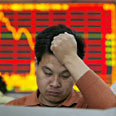
China's inflation hits 11-year high
Country's annual consumer price index drives inflation to its highest level in a decade, full-year inflation expected to hit 4.7%
China's annual consumer price inflation hit an 11-year high in November, with new signs that price pressures are spreading from food to the broader economy, raising the prospect of more aggressive monetary tightening.
The rise in the consumer price index of 6.9% from a year earlier – above the 6.4% forecast by economists and up from 6.5 % in October – underscored why the government sees the fight against inflation as a priority in the year ahead.
The country's gaping trade surplus is another concern, and separate data released on Tuesday showed that measures to curb exports and promote imports had narrowed it slightly in November. However, while the $26.3 billion surplus was below October's record $27.1 billion, it was still the third highest ever.
On Saturday, China raised banks' reserve requirements by a full percentage point to 14.5%. It was the 10th increase this year by the central bank, which has also raised interest rates five times in 2007.
Critics say the surplus is pushed up by an unfairly undervalued currency, a topic that will loom large at high-level Sino-American talks this week in Beijing.
The Yen hit 7.3770 per dollar on Tuesday, the highest since its 2005 revaluation.
For now, economists are paying closer attention to inflation, which has been driven up largely by food costs: In November, food cost 18.2% more than a year earlier, but the statistics showed wider price pressures. Annual non-food inflation accelerated to 1.4% in November, the sharpest rise this year.
Auto fuel and utilities were both up more than 5% from a year earlier, after Beijing raised retail fuel prices in November.
Yao Jingyuan, chief economist of the National Bureau of Statistics, said that full-year inflation was likely to be about 4.7%, which would be the highest since 1996.
