


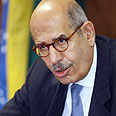
IAEA chief criticizes Israeli threats on Iran
'Unilateral military actions undermine international agreements,' ElBardei tells German weekly Der Spiegel in reference to Israeli aerial strike on Syrian nuclear facility in September and Mofaz's threats regarding possible attack on Iran. Tehran demands UN action on threats
"With unilateral military actions, countries are undermining international agreements, and we are at a historic turning point," International Atomic Energy Agency head Mohamed ElBardei told German weekly Der Spiegel in reference to Israel's aerial attack on a Syrian nuclear facility in September and the threat made by Israeli Deputy Prime Minister Shaul Mofaz to attack Iran if the Islamic Republic "continues with its program to develop a nuclear bomb".
Mofaz was quoted on Friday in an Israeli newspaper saying that an attack on Iran looks "unavoidable" given the apparent failure of sanctions to deny Tehran technology with bomb-making potential.
In the interview, which will be published in its entirety on Tuesday, United Nations' chief nuclear inspector told Der Spiegel he believes there is a growing threat to global peace through the build-up of nuclear arms and the increasing penchant of counties to bomb suspected nuclear facilities.
ElBardei slammed Tehran's leadership, saying "the readiness on Iran's side to cooperate leaves a lot to be desired. We have pressing questions."
According to him, Iran's leadership is "sending a message to the entire world: We can build a bomb in relatively short time."
ElBardei was also quoted by Der Spiegel as saying he expected "absolute transparency" from Syria, adding that during an inspection trip scheduled for June 22-24, an IAEA delegation would demand visits to a number of locations that may have delivered components to the destroyed facility.
Meanwhile, Iran demanded action from the UN Security Council regarding Mofaz's statement, according to a letter released on Saturday by Iranian UN Ambassador Mohammad Khazaee.
"Such a dangerous threat against a sovereign state and a member of the United Nations constitutes a manifest violation of international law and contravenes the most fundamental principles of the Charter of the United Nations, and, thus, requires a resolute and clear response on the part of the United Nations, particularly the Security Council," Khazaee's letter to Secretary-General Ban Ki-moon, dated June 6, said.
Reuters contributed to the report
