


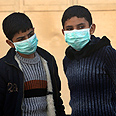
Gaza battles swine flu with folk remedy
H1N1 virus claims first victim in Strip; doctors call on public to drink tea with cinnamon to fight flu. Some say piligrims returning from hajj brought virus into Gaza
Worries are rising in the Gaza Strip following the latest surge in H1N1 virus cases. Four people have died of the disease, while several others were transferred to Israel for medical treatment. The virus claimed its first victim last Sunday when a woman died in a local Gaza hospital.
Hamas' Health Ministry published a series of guidelines aimed at helping residents recognize the flu symptoms and take protective measures against contracting the virus.
In the local media, doctors called on the public to use folk remedy such as drinking tea with lots of cinnamon and boiled anise stars. They further said that adding honey to the concoction is the perfect medicine to fight the virus.
Following the health establishment directives, a rush of people arrived at the local markets to buy anise, causing the price of the spice to skyrocket.
The Maan news agency reported that despite the sharp increase in the price, which almost doubled, the spice was already sold out in many stores.
Merchants took advantage of the massive panic among Gazans, and doubled anise prices from NIS 25 per kilo ($3 per pound) to NIS 50 ($6). The shortage in stock led many merchants to turn to spice traders and smugglers in order for those to help them cater to the unprecedented demand by importing the spice from Egypt.
Dr. Mu'awiya Hassanein, director-general of Ambulance and Emergency department in the Palestinian Ministry of Health, expressed worries due to the lack of essential medical equipment and medication in the Strip. Hassanein said that aside from swine flu shots, there was a shortage of more than 140 types of medications for cancer patients and those suffering from blood-related diseases.
Sources in Gaza say the virus entered the Strip relatively late due to the blockade and limited access of residents and merchandise in and out of the Strip. According to estimations, pilgrims returning from the annual hajj were those who carried the virus into the area.
Last summer, head of the Palestinian Sharia court, Sheikh Taysir al-Tamimi proposed conditioning the approval of marriage licenses on submittal of a health certificate from the Palestinian health ministry which will testify for the health of both the bride and the groom.
According to Tamimi, the document will note if either of the partners came from a country affected by the H1N1 virus. Tamimi further explained such a certificate was in accordance with Islamic Sharia law, which conditions marriage on several factors such as mental health, the ability to procreate and religious suitability.
