


Russia to freeze missile sale to Iran
Office of French President Nicolas Sarkozy says Russian prime minister confirmed in meeting with former that Moscow has decided to shelf sale of S-300 missiles to Islamic Republic, says Iran 'very unhappy' with decision
Russian Prime Minister Vladimir Putin has told France that Moscow will freeze a delivery of S-300 missiles to Iran following passage of extended UN sanctions against Tehran, the French president's office said on Friday.
Russia had been insisting on its right to carry out the air defense contract. Its rethink underlined how the tolerance of non-Western big powers for Iran's disputed nuclear activity is fading, and could deny Iran a formidable defense against any military action.
Western intelligence indicates Iran is one to three years away from the capability to produce a nuclear weapon, giving the world some time to rein in its uranium enrichment program with sanctions, US Defense Secretary Robert Gates said.
Parts of Iran's oil and gas industry could be targeted by an extra layer of European Union sanctions reaching substantially those approved by the UN Security Council on Wednesday, according to a document prepared for EU leaders.
Iranian leaders have greeted the Security Council's action with defiance and contempt, vowing to pursue an escalating enrichment program and review already tense relations with UN nuclear inspectors.
But the Kremlin's shift on the S-300 issue pointed to Tehran's increased diplomatic isolation over its secretive campaign for nuclear capability.
Air defense
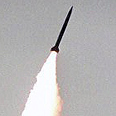
S-300 is a mobile, long-range air defense system that can detect, track and destroy ballistic missiles, cruise missiles and low-flying aircraft.
The United States and Israel, Iran's two arch-foes, have long fiercely opposed such a sale because it could give Iran the means to withstand air strikes aimed at knocking out its nuclear sites.
After conflicting signals from Moscow, Putin confirmed Russia would shelve the delivery, President Nicolas Sarkozy's office said after talks between the two men on Friday.
A Sarkozy spokesman quoted the Russian leader as saying Iran was "very unhappy" and wanted to impose penalties on Moscow.
A Kremlin source had told Reuters earlier in the day that "S-300 supplies to Iran fall under UN sanctions".
Security Council diplomats said the resolution's call for "vigilance and restraint" from UN member states on arms sales to Iran meant that Moscow was being strongly discouraged from delivering the sophisticated S-300s.
Iran says it is refining uranium only to the low level of purity needed for electricity generation or medical isotopes.
Its record of hiding sensitive activity from UN inspectors and recent launch of higher-grade enrichment has raised international suspicions of a camouflaged quest to produce material and components for nuclear warheads.
