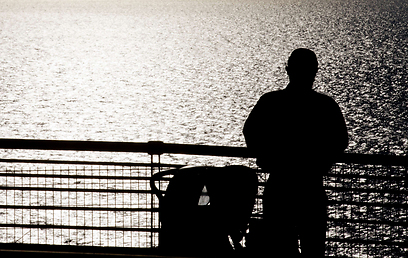
Cast away your sins: Tashlich in pictures
News agencies' photographers capture traditional Jewish practice held on first day of Rosh Hashana
Photographers of the foreign news agencies don't miss out on the traditional ceremony held after the afternoon prayer on the first day of the Jewish New Year – and they have a good reason. Here’s what it looks like through their lens.
Ashdod beach
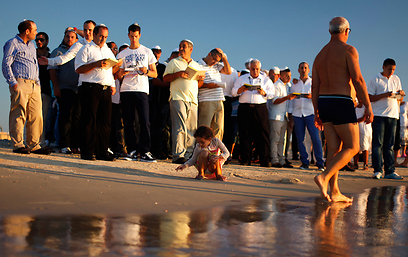
(Photo: Reuters)
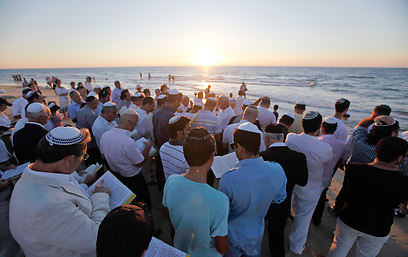
(Photo: Reuters)
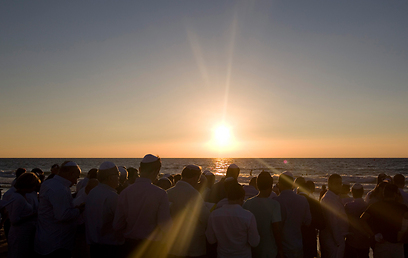
(Photo: AP)
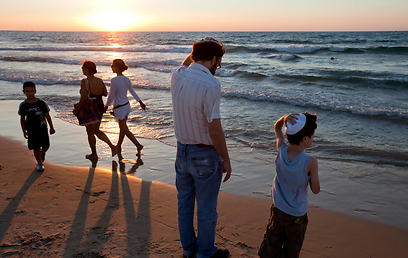
(Photo: EPA)
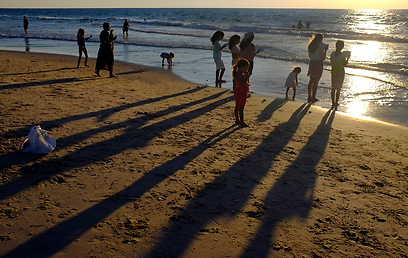
(Photo: EPA)
During the Tashlich prayer, Biblical passages are recited from the book of Micah, including: "You will cast all their sins into the depths of the sea" (Micah, 7: 18-20).
It is also customary to add a special prayer said to be composed by Rabbi Hayyim Joseph David Azulai, who lived in the 18th century in the Land of Israel and Italy.
Silwan, east Jerusalem
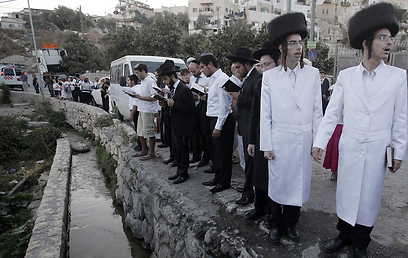
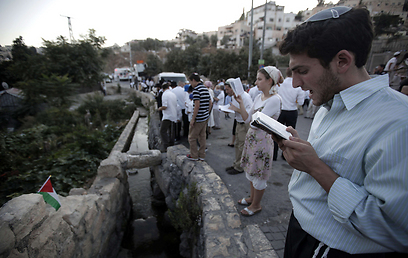
In the Tashlich ceremony, the sins of the previous year are "cast away" into a large, natural body of flowing water.
Some go to a place where there are fish, and there are several explanations for that. One of them is that as fishes have no eyelids and their eyes are always wide open, they symbolize God, who does not sleep.
Paris Square, Jerusalem
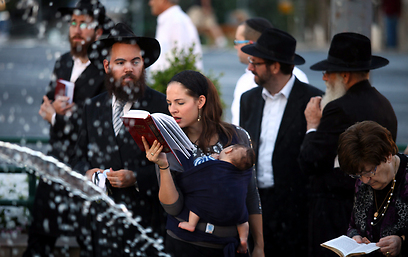
(Photo: EPA)
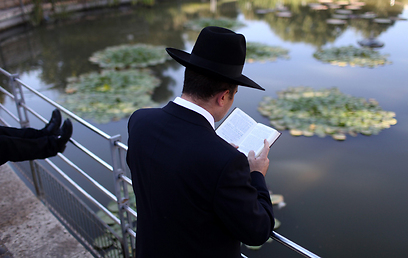
(Photo: EPA)
Netanya beach
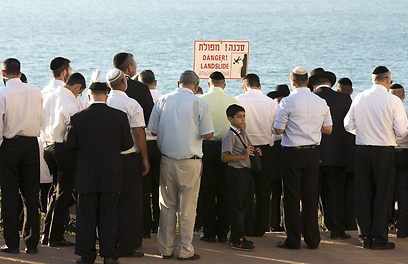
(Photo: AFP)