


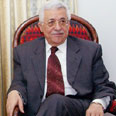
Abbas sees new era
Palestinian leader says Sharon is speaking a different language; calls for Israel to change its view on Palestinian refugees returning to Israel
JERUSALEM - Prime Minister Ariel Sharon is speaking a "different language," Palestinian Authority Chairman Mahmoud Abbas said in an interview with The New York Times Monday.
The Palestinians and Israel are embarking on a "new era" after more than four years of violence, Abbas told the Times.
He praised Sharon's plan to evacuate all 21 Jewish
settlements in the Gaza Strip and four of the 120 settlements in the West Bank this summer as "a good sign to start with" on the road to peace.
Hamas would become a political party
When asked if the armed Palestinian uprising that began in 2000 after peace talks collapsed was a mistake, Abbas replied,"We cannot say it was a mistake. But any war will have an end."
He said Hamas and Islamic Jihad, which have pledged to suspend anti-Israeli attacks while weighing the truce, were committed to "cooling down the whole situation".
Abbas said he believed the Palestinians were about to embark on a new era.
"Now Hamas and Jihad are running for elections, and what does it mean? It means they will be converted, in time, into political parties," Abbas said.
Praises Sharon's positive approach
Abbas, rejecting the road map's option of declaring a provisional state before a final settlement, said he had spoken to Sharon at the Sharm summit about an independent and democratic Palestinian state and about an end to the occupation.
"He (Sharon) was positive on all these subjects, but what we want to know is the implementation on the ground," he said.
Turning to the key issue of Palestinian refugees, Abbas, himself a refugee, called on Israel to lift its blanket rejection of their return to what is now the Jewish state under United Nations Resolution 194 of 1948.
"I don't think the Israelis have the right to say, 'No, we won't discuss it'," he said. "We will ask them to discuss this resolution, and when we come to an agreement, on anything, of course we will accept it."
