


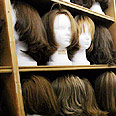
The wig dilemma
The problem: hair cut from the heads of Hindu worshippers at Indian temples was being used to manufacture wigs. Two years later and there's still no solution
To wear them or not to wear them? That is the question for ultra-Orthodox Jewish women caught in a dilemma after the wigs that many of them wear to cover their hair under religious modesty regulations were found by rabbinical sages to violate Jewish law.
The problem arose about two years ago when Israeli rabbis discovered that hair cut from the heads of Hindu worshippers at Indian temples was being used to manufacture wigs worn by religious Jews.
“It was a big scandal because they found out that the hair that was collected in India was used in rituals for idol worship,” said Amir Zahavi, the manager of a wig factory on the edge of Tel Aviv. Hindu rituals, such as those performed in the temples, are considered sacrilegious under strictly Jewish law.
“It was a big problem and in a very short period of time most women stopped wearing wigs. There were cases in which wigs were burned in the street,” Zahavi said.
The Indian hair controversy fuelled an already simmering debate in the world of ultra-Orthodox Jewry about whether wigs, known as “sheitels”, should be worn at all.
From factory to factory
The discovery about hair used in Hindu rituals caused pandemonium. Rabbinical experts went from wig factory to wig factory in Israel and abroad to ensure that wigs for the ultra-Orthodox market did not include hair from India.
The rabbinical emissaries granted certificates of kashrut, or approval, to wigs they found to be free of Indian hair in the same way that they issue stamps of approval to food products adhering to Jewish dietary rules.
As a result, prices for human hair wigs went through the roof. A wig made from Caucasian hair - the most highly sought-after material - could cost as much as USD 2,000.
Merchants travel through some of the poorest regions in the world to buy women’s locks for the wig trade, paying around 5-10 dollars for a full head of hair and selling it to wig makers for anything from between USD 700 and USD 2,000 per kilo.
'It's getting harder and harder'
“It’s very hard to get good quality hair,” said Zahavi. “You need virgin hair that hasn’t been dyed and hasn’t been highlighted, and it’s getting harder and harder to get good hair that hasn’t been coloured these days.”
Some rabbis prefer wigs over other head-coverings, noting that wigs prevent hair from slipping out and being seen by men. Another consideration, they say, is that wigs allow Jewish women living abroad to blend into their society, reducing the risk they might be singled out for anti-Semitic attacks.
But other rabbis - especially from Jewish communities of Middle Eastern descent - are deeply opposed to women wearing wigs. Using hair to cover one’s own hair, those rabbis say, violates the spirit of ritual law.
