


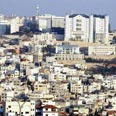
Nazareth
צילום: משה מילנר, לע"מ
Nazareth population expected to grow by 48%
Master plan approved for northern Arab city includes improvement of transportation and infrastructure system, establishment of university and hospitals
An overall master plan has been approved for the northern city of Nazareth. The new program presents Nazareth as a tourism city, as a regional service center and an economic-industrial center.
It also addresses an improvement in the transportation and infrastructure systems, as well as the development of open public areas, an improvement in the quality of the environment, and a rise in the quality of personal services.
The city had a population of about 66,000 people in 2008. The population target set for the city as part of the master plan is about 97,000 residents. The plan includes instructions for maintaining the city's existing fabric and for detailed programs for new construction areas.
Nazareth is Israel's largest Arab city. It has a religious, historic and spiritual significance, and also serves as a center for visits of tourists and pilgrims from all over the world.
The first master plan for Nazareth was approved in 1942. The new plan was ordered and managed by the Interior Ministry's Administration of Planning, and was prepared by a team headed by architect Arie Rahamimov together with architect Leonardo Kalichman.
The plan allocates areas needed for the supply of services on the municipal and regional level, which will help establish the city's international and regional status, and it includes key functions like a university, hospitals, a cultural hall, a main library, a museum, etc.
Most of the main municipal functions will be located on mountainsides and in the city center. The plan allocates wide areas for tourism and recreation purposes, with an emphasis on preserving the Old City.
The plan also emphasizes strengthening the city's main roads by evacuating workshops and replacing them with businesses and offices. In addition, the plan includes areas for industry and craft in two of the city's main compounds.
