


A pointless boycott
Anti-Swedish boycott initiative inappropriate, will very likely fail
What does the Swedish investigative report on the alleged harvesting of Palestinian organs have to do with a consumer boycott on IKEA,H&M, Volvo, or Absolut Vodka? Would we want to see an unflattering investigative report on Barack Obama in an Israeli newspaper prompt a boycott on Israeli goods? After all, this is precisely the equation that outrages us all the time.
And why stop at shopping? Perhaps we should call for all Volvo vehicles in the country to be placed at the sides of roads nationwide until the Swedes apologize? Or maybe we should ask consumers who bought clothes at H&M during their vacation to open their closets and throw the bargains they purchased to the garbage?
For years, we were bitterly envious of Americans’ sense of consumerism and ability to utilize effective boycotts while we remained silent. There is no doubt that the Internet made consumer boycotts accessible and simple. What’s easier than sending a group email, posting a petition on Facebook, or posting a brief message on Twitter?
However, this convenience may create a weapon that can have a boomerang effect. The plethora of instant boycotts over unworthy subjects produces indifferent consumers over time, as well as companies that are no longer concerned even on occasions where they would do well to change their ways.
On the Internet there is no need to engage in a preliminary examination of whether the issue is worthy and justifies a boycott. The democratic Internet space tolerates anything.
Nobody pays the price
In one case, someone just recently decided to recycle a two-year-old email about a bag bearing a swastika, which ZARA never in fact sold in Israel. There are no judges and nothing that would filter the delusional ideas of innocent consumers or interested competitors. Nobody pays the price because most companies prefer to wait for the storm to blow over.
Will the boycott against Swedish companies succeed? This is highly doubtful. Boycotts over political issues ended in resounding failures in Israel over the years. Israelis even returned to Turkey en masse this year. The failure of political boycotts is especially common when dealing with items that are considered attractive because of their price or quality and are consumed over a long period of time. This is true for virtually all Swedish brands being targeted, most of which are not even easily identifiable as Swedish.
Before IKEA entered the Israeli market, people attempted to initiate a boycott against it in light of the fascist past of its founder, who was a member of a Swedish fascist group in his youth. He already apologized for this a long time ago. Who even remembers that boycott today?
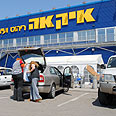
The chances of success against IKEA are even slimmer, because the chain has already been entrenched in Israel’s consumer culture. Moreover, the contact with Israeli consumers involves Israeli employees and managers, rather than Swedes. The same is true for Absolut Vodka and for Volvo. By the time H&M will open its stores in Israel, this boycott will be forgotten.
