


Syria's Russian-made air defense system appears ready for use
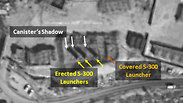
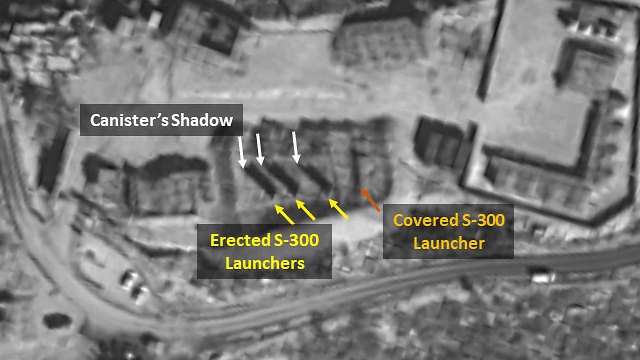
Anti-aircraft missile batteries could pose threat to Israeli airstrikes on Iranian targets in war-torn country; satellite images taken by Israeli company show that three of the four batteries are in upright position, indicating they are ready for use.
The anti-aircraft missile system was delivered to President Bashar Assad’s forces by the Russian Defense Ministry in October after the downing of a Russian spy aircraft by Syrian troops that were trying to thwart an Israeli aerial attack. Russian officials insist that Israel bears responsibility for the Syrian downing despite Israeli efforts to present findings proving otherwise.
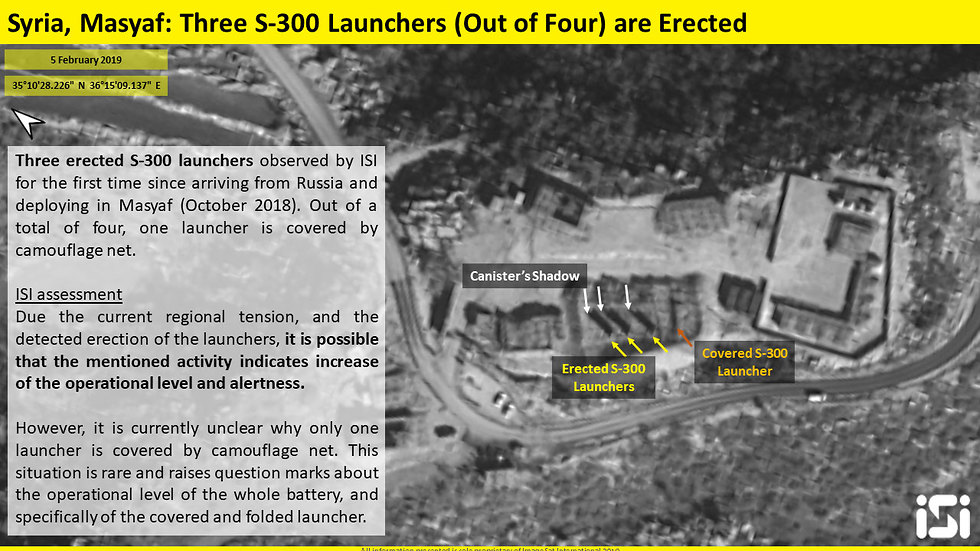
Although the battraries have reportedly been operational for nearly four months, this is the first time the defense system has been photographed in an upright position. The batteries are still believed to be in the hands of the Russian troops who will continue training Syrian military personnel on the use of the S-300 in the coming months.
Earlier, it was announced that Prime Minister Benjamin Netanyahu would meet with Russian President Vladimir Putin in Moscow in two weeks' time. According to the Prime Minister's Office, the meeting will be a follow-up to a previous meeting held in Paris three months ago, and will focus on regional issues, the situation in Syria, and on strengthening the security coordination mechanism between the countries’ militaries.
Netanyahu later issued a statement confirming the discussion will deal with the continued Iranian efforts to establish a long-term presence in Syria.
“We will continue to try and prevent Iran from arming itself. This is the main issue I intend to discuss with President Putin," the prime minister said.
Russia last month demanded that Israel end its "arbitrary" airstrikes on targets in Syria, two days after the Israeli Air Force struck a series of Iranian military and intelligence targets in response to a rocket strike on the Golan Heights.
