


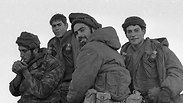
Forgotten pictures from forgotten battles: The War of Attrition revealed
Israel's longest and least known war cost 1,000 lives and sent the IDF to the depth of the Sinai Desert; 50th anniversary marked with newly discovered photos, the only visual documentation of the war
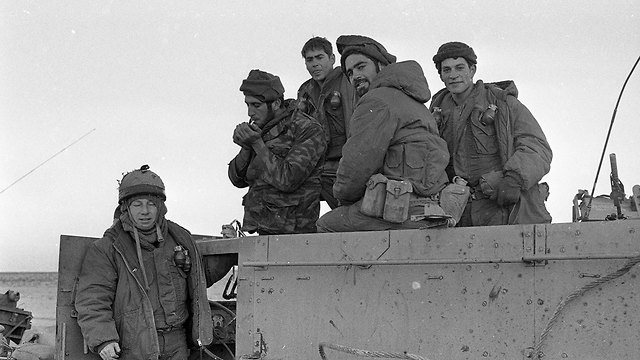
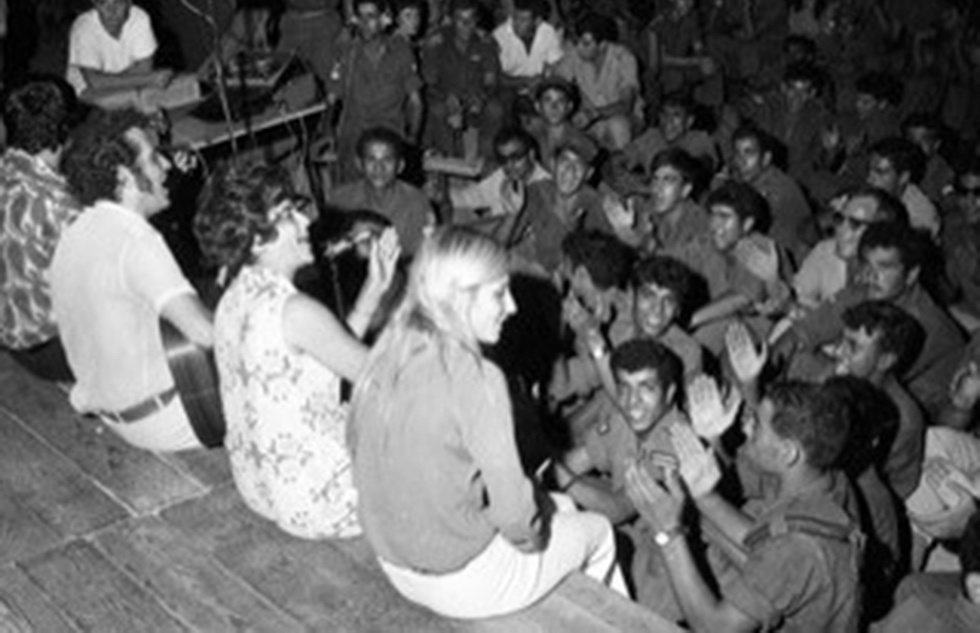
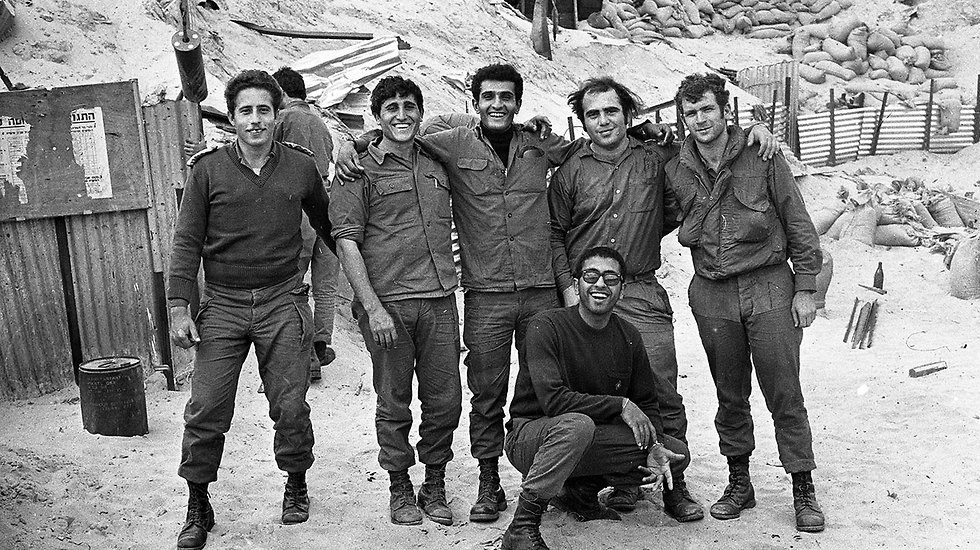
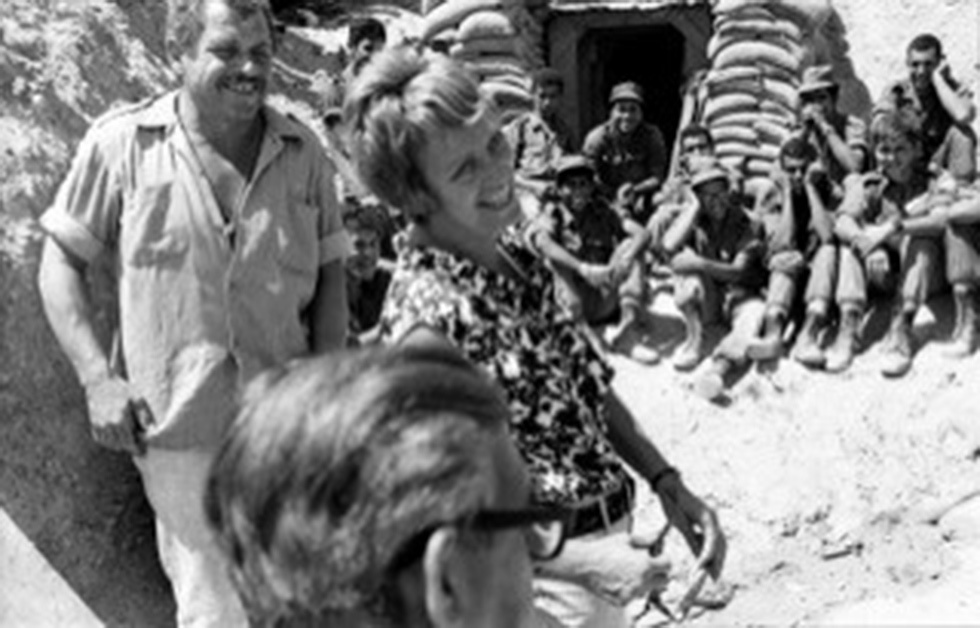
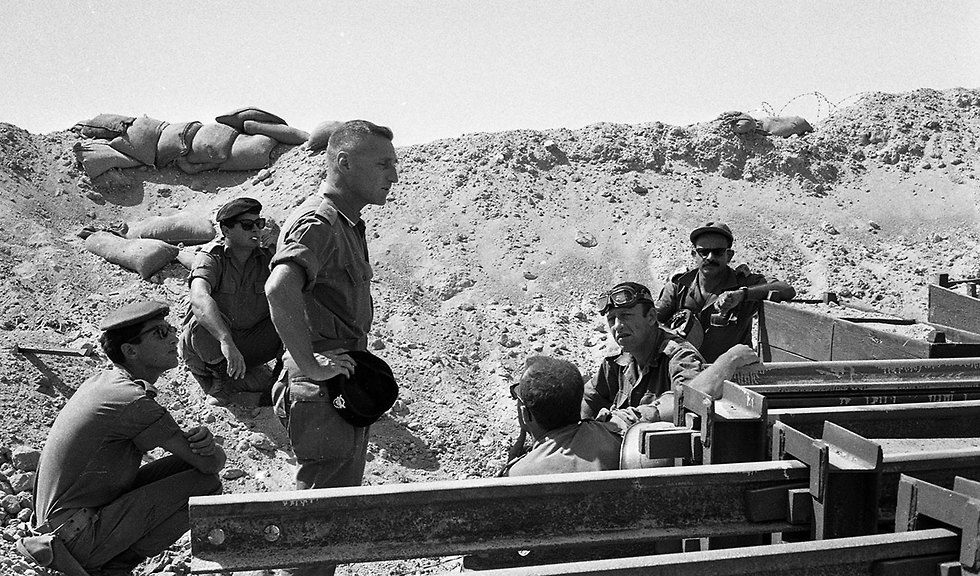
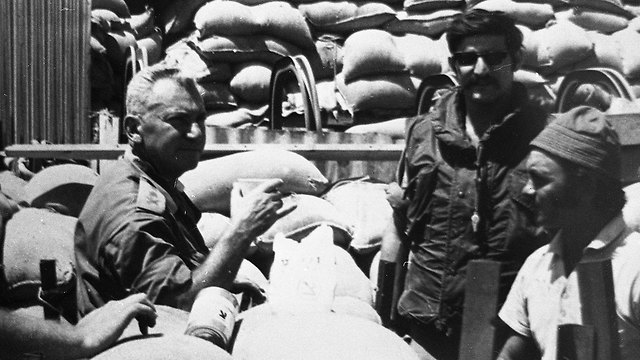
The pictures show IDF soldiers in the Suez Canal going about their daily business, meeting commanders and hosting entertainment events with famous performers who traveled from Israel's center.
"These pictures show artists on stage, trying to entertain soldiers," says Dr. Hezi Amior, curator in the National Library. "Great theater actors used to go to Sinai and perform, you can see them traveling from post to post and perform in front of tiny audiences, just to entertain."
Television had just debuted in Israel in those days, but it was not yet accustomed to broadcast news from the front line. "These photos are the only visual documentation we have of that war," says the curator.
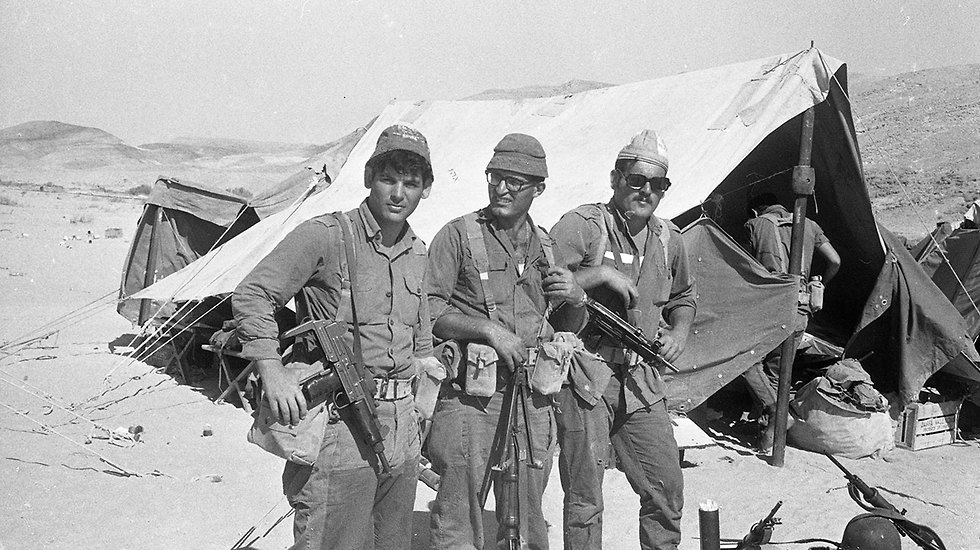
"Photo journalists used to accompany forces to the field to document the feelings from the front and convey it to readers. The photos were also a way for soldiers to send regards to the public," says Amior. "But mostly to convey the fear, the ongoing bombings and the sensation of being in the front line."
The War of Attrition has nearly been forgotten when it comes to Israeli military history, despite the many soldiers and commander who call it one of the most difficult wars the country has ever known. It was characterized by fierce and long sedentary fighting, a strategy that Israel's enemies learned was effective against an army that had many advantages over them.
The war which was going on since 1967 saw the worst fighting from March 1969 until August 1970, in the Syrian, Jordanian and Egyptian fronts. It was different from earlier wars Israel had known, with its heavy fire power and nearly 1,000 days of fighting. It's often referred to as the 1,000 Day War.
The number of casualties was also high – numbering nearly 1,000.
The most difficult front was in the south, on the Egyptian border, along the Suez Canal in Sinai. The Egyptian army bombarded Israeli posts, and the IDF bombed back along the Canal and further into Egypt.
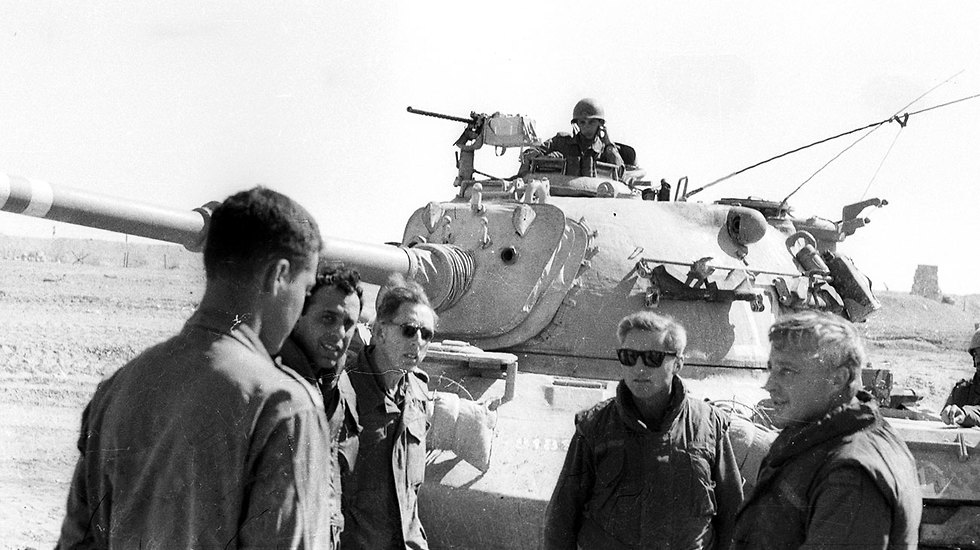
In one sortie, Egyptians bombed an Israeli Navy ship in the southern city of Eilat and Israel retaliated with bombing an Egyptian distillery factory near the Canal.
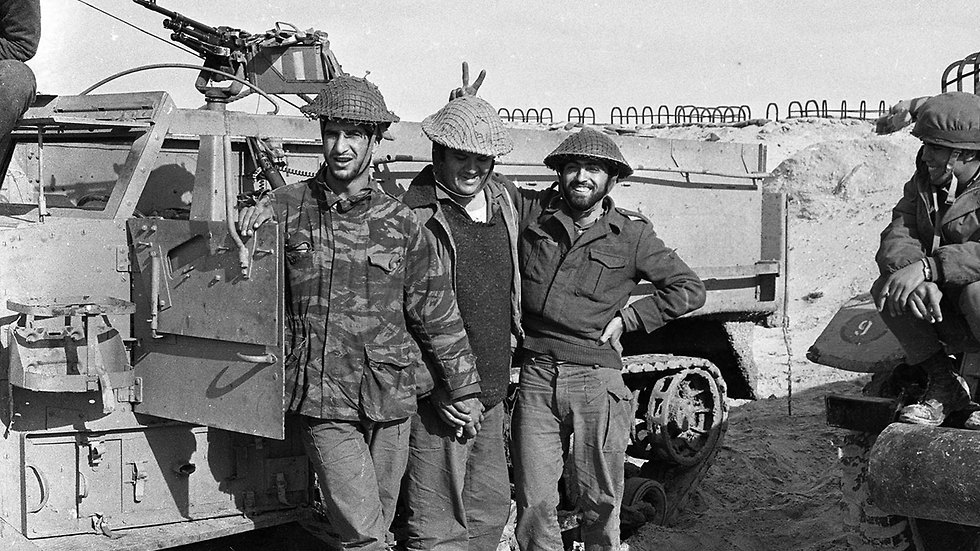
In the Jordanian front, the PLO used to penetrate Jordan rift Valley communities in a region that is since known as "the land of pursuits".
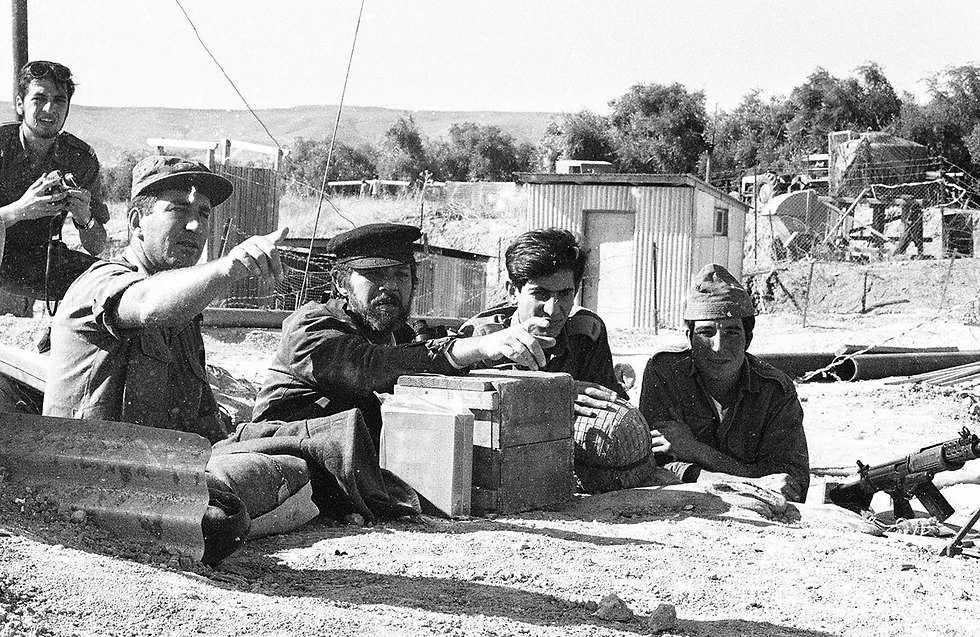
For decades the War of Attrition didn’t get the proper attention it deserved and was even referred to as "the forgotten war." Even when it was ongoing, the Israeli public didn't experience the fighting that went on in Far off fronts.
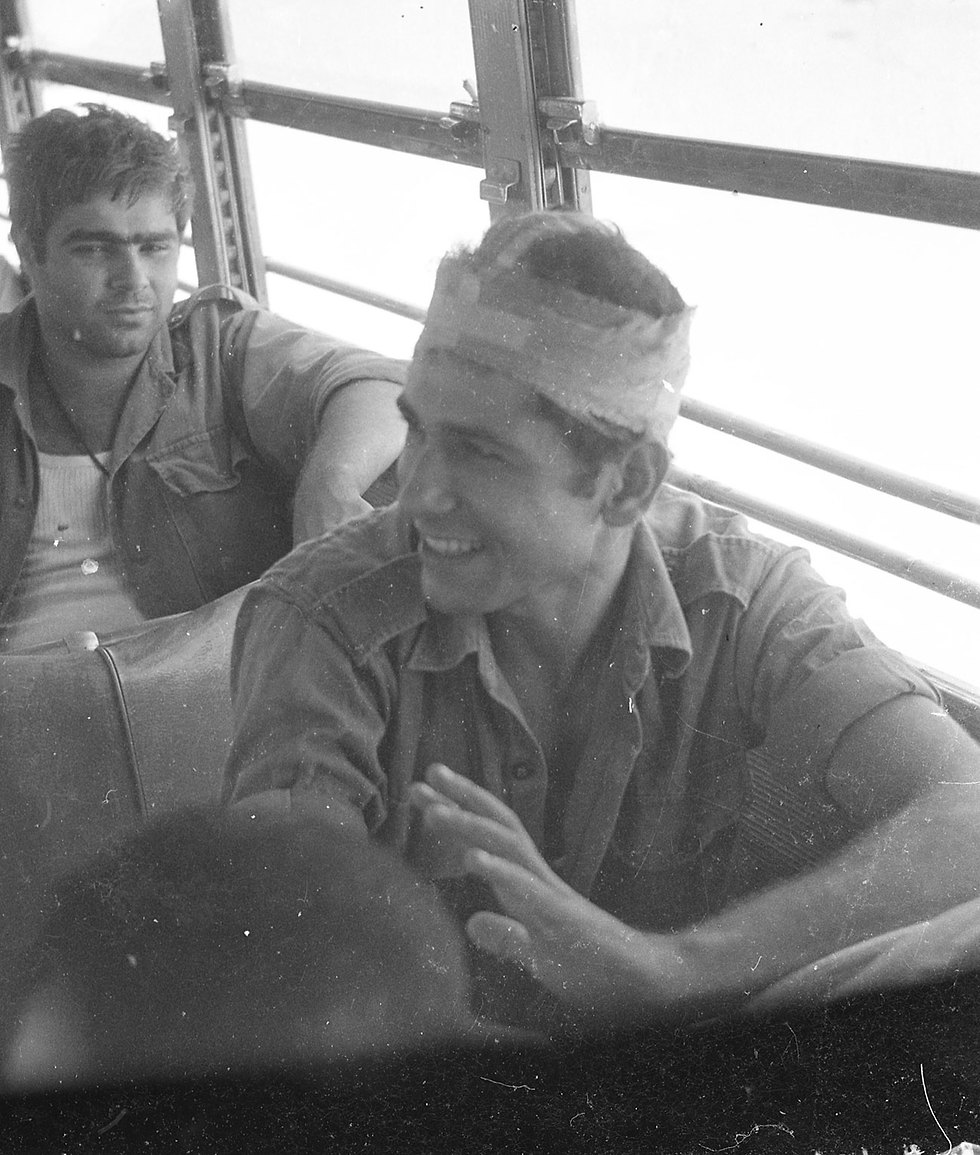
Only in 2003 did the government finally acknowledged the War of Attrition's significance, and the IDF started bestowing honors for veterans of the forgotten war.
