



Religious Council: Don't buy Moroccan shofar
Several weeks before High Holidays, Tel Aviv's Religious Council discover ram's horns made in northwestern African country were glued with polyester, making them unfit as far as Jewish Law is concerned. 'It's disrespectful bringing a shofar made by an Arab on Shabbat into a synagogue,' one of council workers
The department workers say they have examined the shofarot, thousands of which have already been distributed to stores, and discovered that they were glued with polyester - making them unfit, as far as Jewish Law is concerned.
"The import of shofarot from Morocco began last year, and we didn't realize what a big mess it would be," says North Tel Aviv Rabbi Aryeh Levin, head of the ritual object's department. Rabbi Levin notes that the Moroccan shofar can be identified according to a ring attached to its mouthpiece.
"There are two main factories in Israel which produce shofarot, in Tel Aviv and in Jaffa," adds the rabbi. "In these factories the shofarot are polished and sharpened under supervision. It's disrespectful bringing a shofar prepared by an Arab on Shabbat into a synagogue."
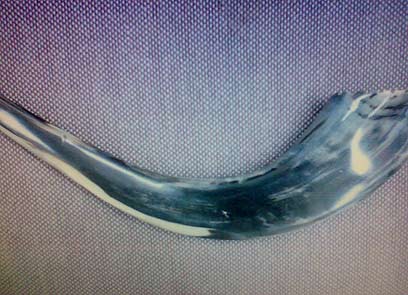
The forbidden shofar
Avraham Ribak, owner of Bar Shehet Ribak Israel Shofarot on Tel Aviv's Nahalat Binyamin Street, says the shofarot imported from China in recent years have also been discovered as impure, embarrassing both rabbis and the public of buyers.
"The Chinese shofarot are smeared with pig fat," he says. "Several rabbis permitted the shofarot from abroad without even checking them."
Eldad Mizrachi, chairman of the Tel Aviv-Jaffa Religious Council, stressed in response that "the ritual objects department's activity is preventing a great obstacle from the public. This matter must be enforced, and the law prohibiting fraud in the entire ritual objects industry should be amended if needed."
