


Day before shooting, NY Times recommends city break in Tel Aviv
Leading American daily features an article suggesting a 36-hour vacation in the Israeli metropolis, just one day before the deadly terror attack on one of the city's busiest streets.
Only one earlier, the New York Times published an extensive recommendation for a 36-hour vacation in Tel Aviv-Jaffa. The article is part of a regular column recommending city breaks, and the Israeli metropolis got to be the last city featured in the column in 2015.
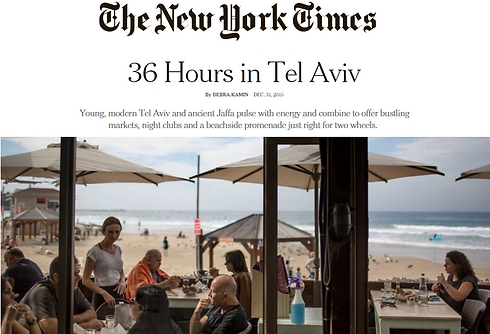
Even before the list of recommendations, the New York Times writer spoke about Medinat Tel Aviv (the State of Tel Aviv), the pet name given to the city's allegedly complacent partygoers and residents in the past year, and its competition with Jerusalem over tourists.
The city's main advantages, according to the article, are 300 annual days of sunshine, as well as being "a 24/7 city where the search for the perfect cup of coffee and a commitment to LGBT pride seems to take precedence over Israel’s complicated politics."
The vacation suggested by the paper is divided into three days - Friday to Sunday, an entire weekend for foreign tourists.
In order to map Tel Aviv's recreational activities, the article introduces the city as two connected enclaves: "The traditionally Arab Jaffa to the south, where history and hipsterdom sync up with new energy; and the younger, hard-partying Tel Aviv to the north, which overflows with start-ups and casual cosmopolitanism."
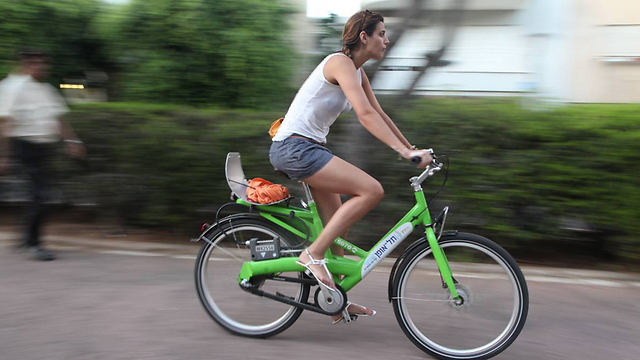
To get a taste for the city, the article recommends hopping on a bicycle or exploring its avenues by foot.
NY Times' recommendations for Tel Aviv
The rest of the article provides more specific recommendations, including for different restaurants and hotels across the city, but fails to properly address the growing trend of renting apartments and the local hotels' exaggerated prices.
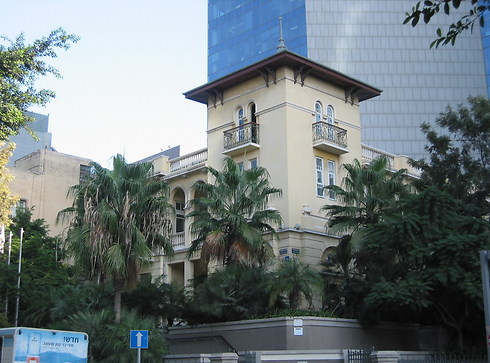
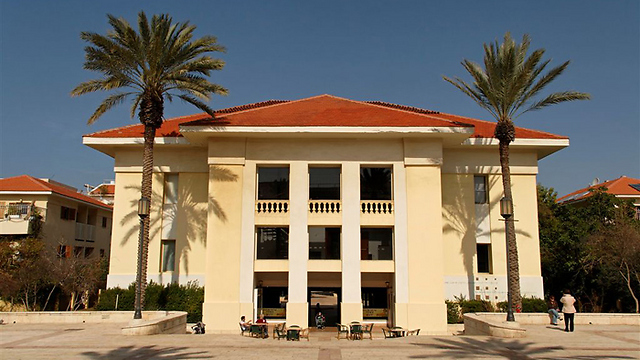
The article dedicates its first recommendation to the White City at the heart of Tel Aviv-Jaffa, which was declared a UNESCO World Heritage site in 2003, and to the "richest collection of architectural gems clustered along tree-lined, cafe-dotted Rothschild Boulevard," including the Baumel House (Rothschild 87); the Old Russian Embassy (Rothschild 46); and the Rubinsky-Braun Haus from 1932 (Rothschild 82).
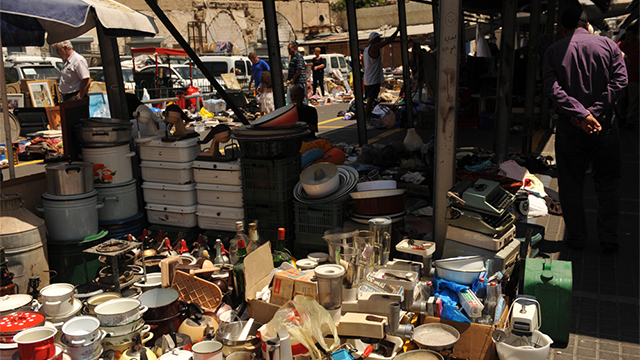
The article also focuses on Tel Aviv markets, with recommendations for Jaffa's flea market, "a wonderland of twinkling lights" at night, and Carmel market, where "the city eats and meets."
It also includes quite a lot of information on the Tel Aviv culinary scene and bars, where one can enjoy happy hour between 5 and 8 pm.
The cultural part of the article is dedicated to the "artsy neighborhood" of Neve Tzedek, which includes the Suzanne Dellal Center for Dance and Theater and the many boutiques which remain open during the weekend.
All we can do is join this optimism and hope to return to the days in which the Tel Avivian euphoria, as described by the New York Times, becomes the reality in the White City again.
