



IDC student Barik Saleh
African student asylum seekers ask not to be deported
Group representing African students in Israel appeals to National Union of Israeli Students to intercede on their behalf and protest their planned deportation; Union acquiesces; 'It's very hard going through testing period, which is stressful enough as it is, and doubly so when I'm in danger of deportation,' says one African student.
Israel's African students' association contacted the National Union of Israeli Students recently and asked it to intercede against the expulsion of asylum seekers from Israel. "It's important for us that you support us and demand the country not expel asylum seekers. Give us temporary protection, at least until we graduate," the African students appealed.
Union Chairman Ram Shefa said in response that he "calls on the state to allow African students to continue and conclude their studies normally. We will do everything to prevent the expulsion of students studying in Israel who were marked for expulsion.
"The state has a moral duty to carefully ascertain the true status of all asylum seekers, and to allow anyone designated a refugee protection in Israel.
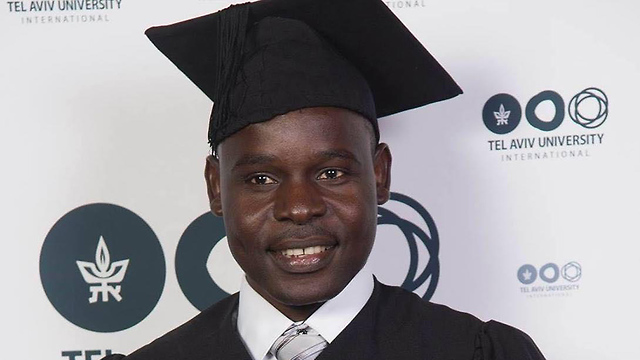
IDC student Barik Saleh said testing period was stressful enough as it is
Of the 37,000 African asylum seekers and work migrants currently in Israel, several dozen study in Israeli academic institutions, including the Interdisciplinary Center in Herzliya, the Hebrew University in Jerusalem, Tel Aviv University, Ramat Gan College and elsewhere.
Migrants study towards degrees in such fields as governance and political science, business administration and even law.
The African students' representatives wrote to say, "Most of our students face expulsion to either Rwanda or Uganda under the criteria of the current government plan. We're doing our best to defend our students and give them a chance to live out their academic dream, but these are hard, stressful times."
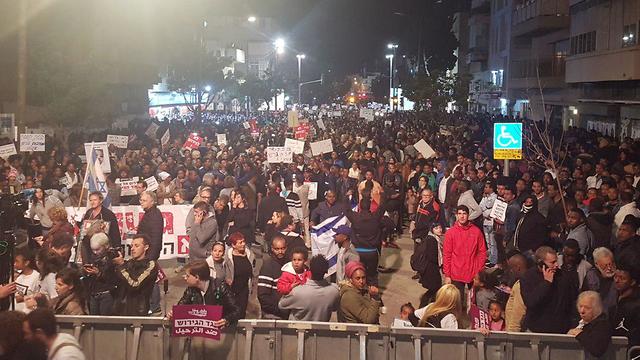
An anti-deportation protest this past Saturday (צילום: יריב כץ)
Barik Saleh, a student in the second year of a governance degree at the Interdisciplinary Center, came to Israel ten years ago from Darfur. "The reason I wanted to study governance is that I wanted to make a change," he said Tuesday. "I want to work for values such as democracy, so the next generation is not forced to go through what we have."
Saleh, currently in the middle of a period of tests, may be deported before he has a chance to graduate. "It's very hard going through this period, which is stressful enough as it is, and doubly so when I'm in danger of deportation," he added.
"In six weeks, one of two things will happen: either I manage to renew my visa or I get deported, and then my two years in academia go down the drain," he lamented.
Chairman of the African students' union, Taj Harun, also came to Israel from Darfur a decade ago. He graduated from a Tel Aviv University master's degree program in political science more than a year ago.
"Most African students came here as asylum seekers," he said. "We're exactly the same as Israeli students, and we wanted to let them know that and ask for their support."
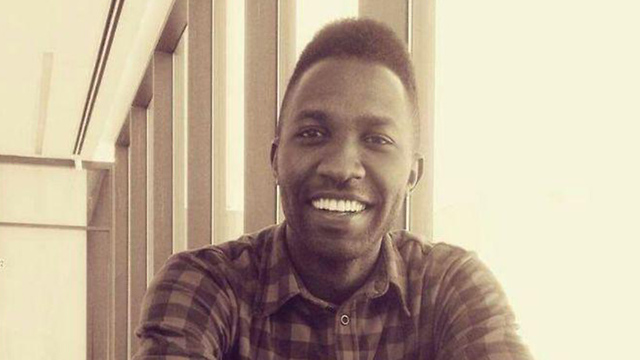
Chairman of the African students' union Taj Harun
"We met with representatives from the National Union of Israeli Students about a week ago and discovered some of them were not even aware there were African students in Israel or that we were even allowed to study," he added.
While most of the asylum seekers studying in Israeli academia have a visa, it usually only permits them to stay in Israel for periods no longer than two months, leaving students in constant fear of their visas not being renewed and subsequent deportation.
"Right now we don't know whether we'll be able to graduate, as most of us face deportation," Harun exclaimed.
The National Union of Israeli Students has decided to create a team to examine handling of the issue, and will continue meeting with their African counterparts.
Chairman of the right-wing Im Tirtzu movement Matan Peleg responded to the matter as well, and said, "It's unthinkable for work infiltrators to wish to complete their studies at the taxpayer's expense when they live in a country that they infiltrated. It's adding insult to injury and every proper country would summarily reject it."
