

U.S. Secretary of State Mike Pompeo on Tuesday voiced regret over a stalemate in maritime border talks between Israel and Lebanon and offered Washington's meditation.
The two nations which remain technically at war opened negotiations in October after quiet U.S. diplomacy, seeking to clear the way for offshore oil and gas exploration sought by both.
Gallery
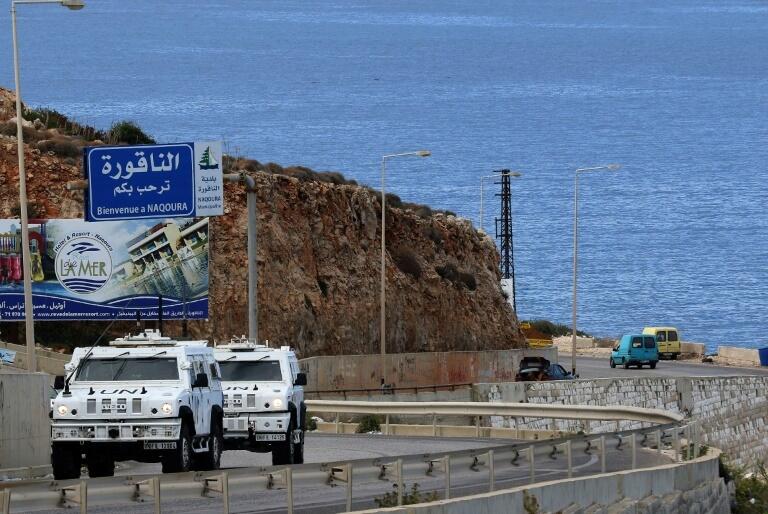
UN peacekeepers patrol the coast road near Naqura, the last town in Lebanon before the border with Israel
(Photo: AFP)
"Regrettably, despite goodwill on both sides, the parties remain far apart," said Pompeo, who has one month left in office after U.S. President Donald Trump's electoral defeat.
"The United States remains ready to mediate constructive discussions and urges both sides to negotiate based on the respective maritime claims both have previously deposited at the United Nations.
"The Trump administration has heralded major progress in its waning days in Israel's relations with the Arab world.
Since October, four Arab nations have agreed to recognize the Jewish state.
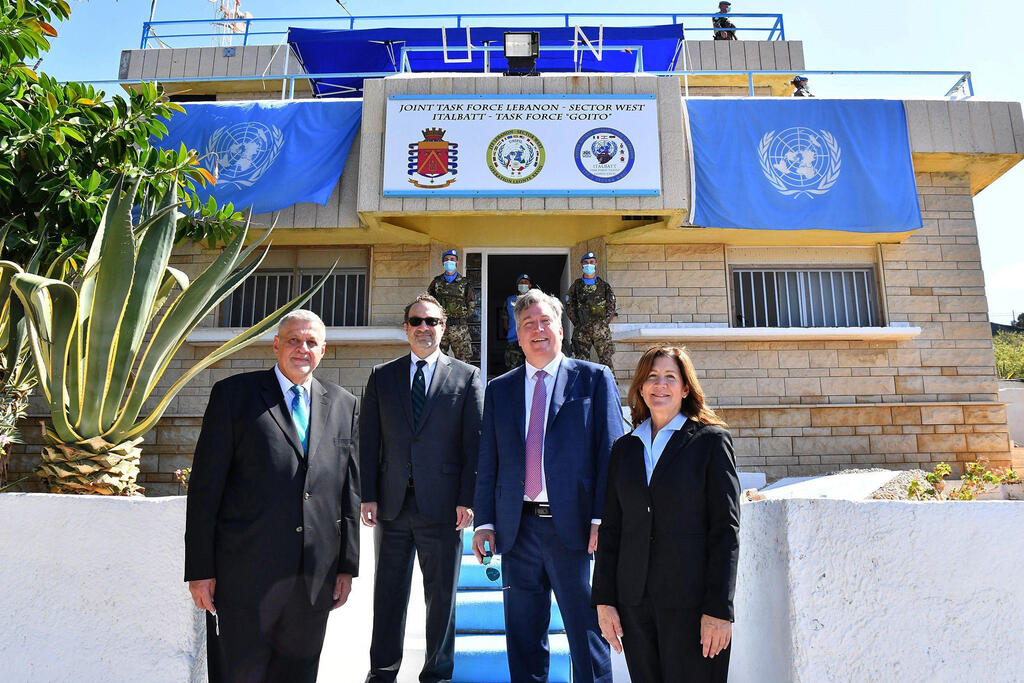
UN Special Coordinator for Lebanon Jan Kubis, U.S. Assistant Secretary David Schenker, U.S. ambassador to Algeria John Desrocher, and U.S. ambassador in Lebanon Dorothy Shea at the first round of Israeli-Lebanese border talks in Naqura
(Photo: AFP/U.S. Embassy)
The latest session of talks between Israel and Lebanon was put off after the Jewish state accused its neighbor of inconsistency.
The two nations have been negotiating based on a map registered with the United Nations in 2011, which shows an 860-square-kilometer (330-square-mile) patch of sea as being disputed.
But Lebanon considers that map to have been based on wrong estimates and now demands an additional 1,430 square kilometers (552 square miles) of sea farther south, which includes part of Israel's Karish gas field, according to Lebanese energy expert Laury Haytayan.