

Health Ministry data obtained Tuesday by Ynet shows that the government had been basing its decisions on how to mitigate the spread of the coronavirus on only 20% of COVID-19 cases in Israel.
The data formed the basis for some of the dramatic decisions made by Israel regarding the closure of businesses, schools and cultural events, which had massive repercussions for the economy.
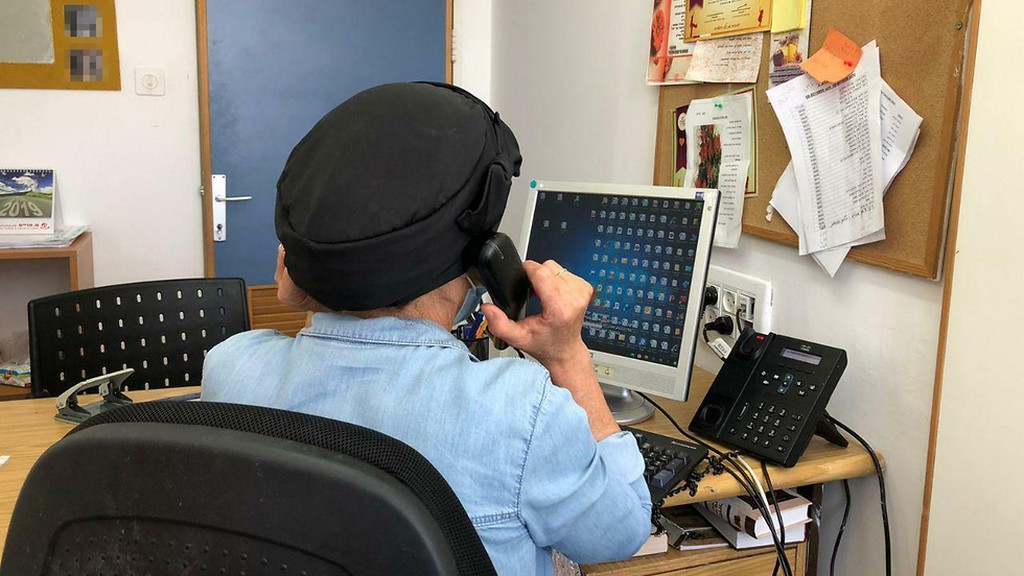
The ministry data was presented in response to a freedom of information request by the Tamnun non-profit organization.
The data shows that even by early August, some five months after the pandemic reached Israel, the ministry was making decisions based on only limited information due to understaffing at the epidemiological unit tasked with tracing the spread of the disease in order to break the chain of contagion.
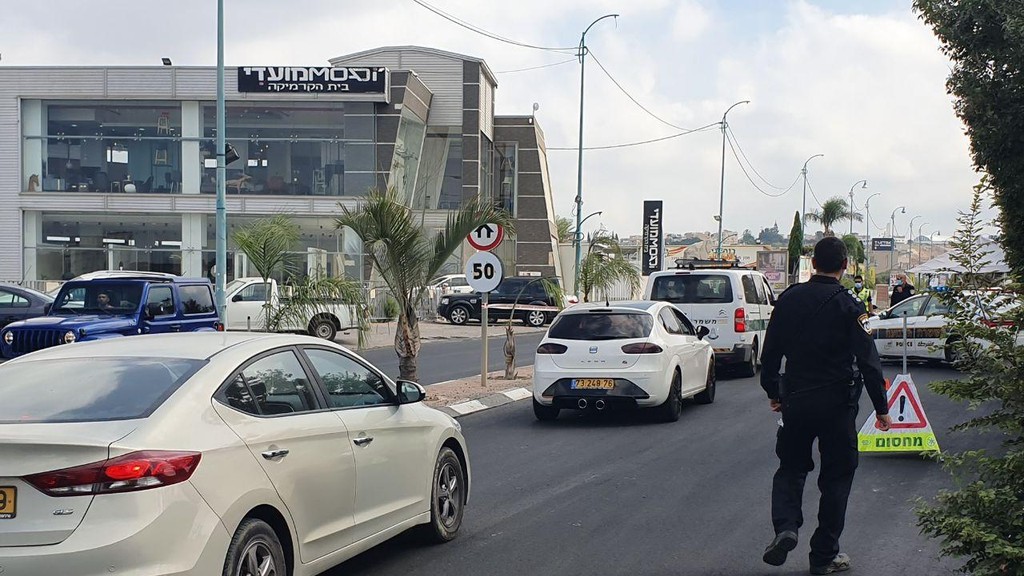
Police operate a roadblock at the entrance to Yarka after the northern village saw a spike in coronavirus cases
(Photo: Ahiya Raved )
The unit required each of its investigators to trace the movements of up to 1,000 confirmed carriers of the disease at the same time.
The ministry had traced contagion chains for just 15,035 COVID-19 patients, despite Israel having 72,163 confirmed cases of the virus at the time.
The lack of updated information is especially pertinent at present as legislators and officials discuss the opening of schools on September 1.
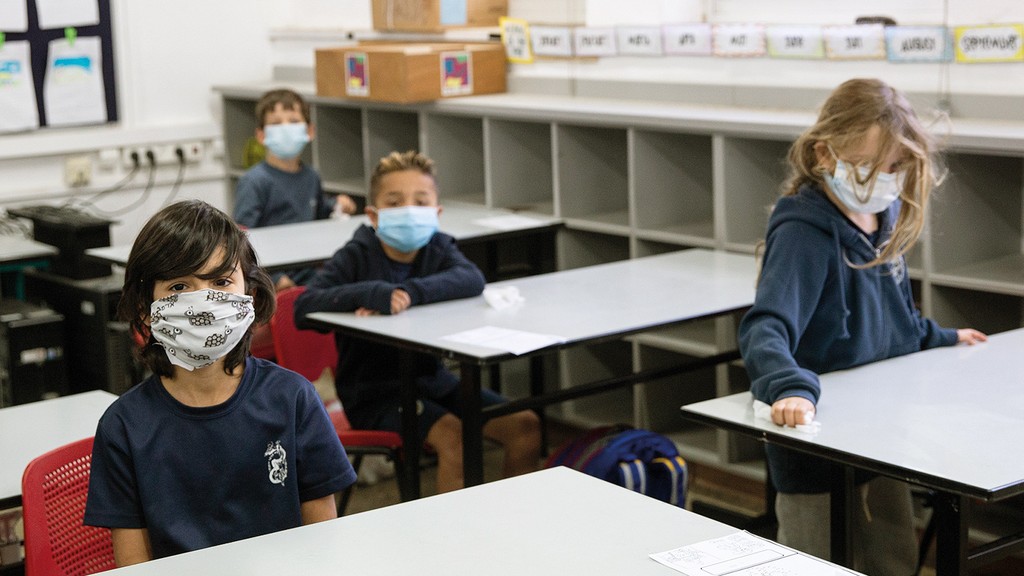
Children wear face masks in an Israeli classroom
(Photo: Alex Kolomoisky)
A decision is expected next week after consultations between the health and education ministries.
A new tracing system operated by the IDF Home Front Command is expected to be operational in the coming days.
Israel, which was initially successful in mitigating the spread of the disease in the first wave, has struggled to contain the virus since reopening schools and the economy in May.