

Israelis vote Tuesday in their fourth parliamentary election in just two years. Once again, the race boils down to a referendum on Prime Minister Benjamin Netanyahu.
Netanyahu, who has served as prime minister for the past 12 years, hopes voters will reward him for leading the country’s successful coronavirus vaccine rollout and his diplomatic outreach to the Arab world.
Gallery

Election campaign billboard showing portrait of Prime Minister Benjamin Netanyahu in Ramat Gan is defaced
(Photo: AP)
His challengers have highlighted his earlier missteps in the coronavirus strategy, his reliance on divisive religious and ultra-nationalist allies and his ongoing corruption trial.
Over the years, Netanyahu has developed a reputation as a political magician and master manipulator capable of surviving any crisis. With witnesses set to take the stand against him next month, Netanyahu is hoping for another miracle that could deliver a friendlier parliament willing to grant him immunity or freeze his trial.
Opponents portray him as a serial liar who has caused two years of political paralysis by putting his political survival and legal troubles ahead of the country’s interests.
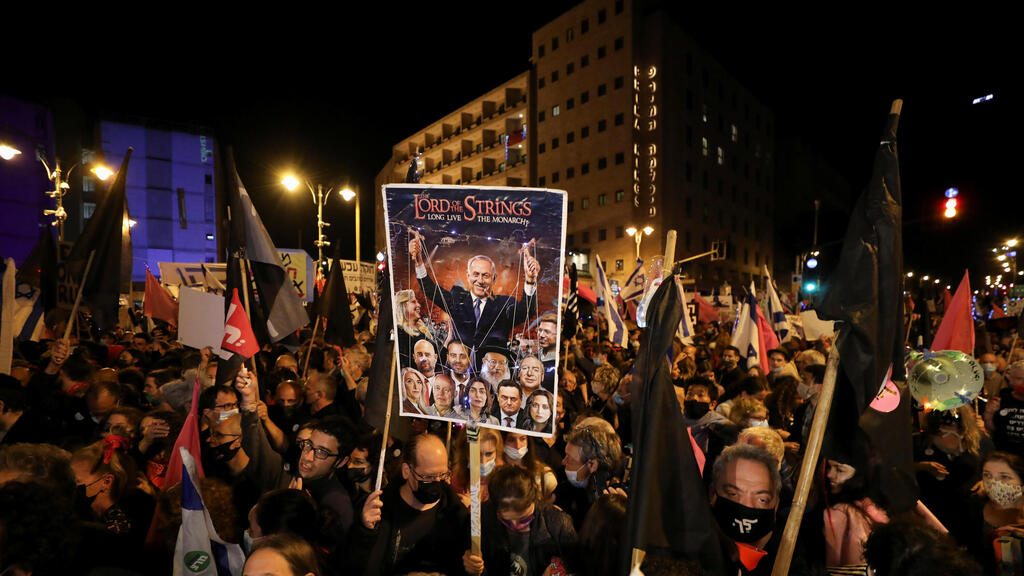
Anti Netanyahu protesters demonstrate in Jerusalem on Saturday
(Photo: Reuters)
Opinion polls forecast an extremely tight race, raising the possibility of continued deadlock and even an unprecedented fifth consecutive election. Netanyahu appears to hold a slight advantage because of the intricacies of Israel’s political system.
In Israel, people vote for parties, not individual candidates. Netanyahu’s Likud is again poised to emerge as the largest individual party. But since no party has ever won a 61-seat parliamentary majority on its own, political alliances must be formed to create a governing coalition.
If the opinion polls prove accurate, Netanyahu would have a clearer path to building a government than the array of rivals that have little in common beyond their animosity toward him.

Gideon Saar a former Likud member and current challenger of Prime Minister Benjamin Netanyahu in a campaign event last week
(Photo: AFP)
Here is a look at the key factors that could determine whether Netanyahu or any of his challengers can clinch that elusive 61-seat majority.
Netanyahu has staked his re-election hopes on the success of Israel’s successful vaccination campaign. Netanyahu last December moved quickly and aggressively, personally lobbying the CEOs of Pfizer and Moderna to secure enough vaccines for Israel’s 9.3 million people.
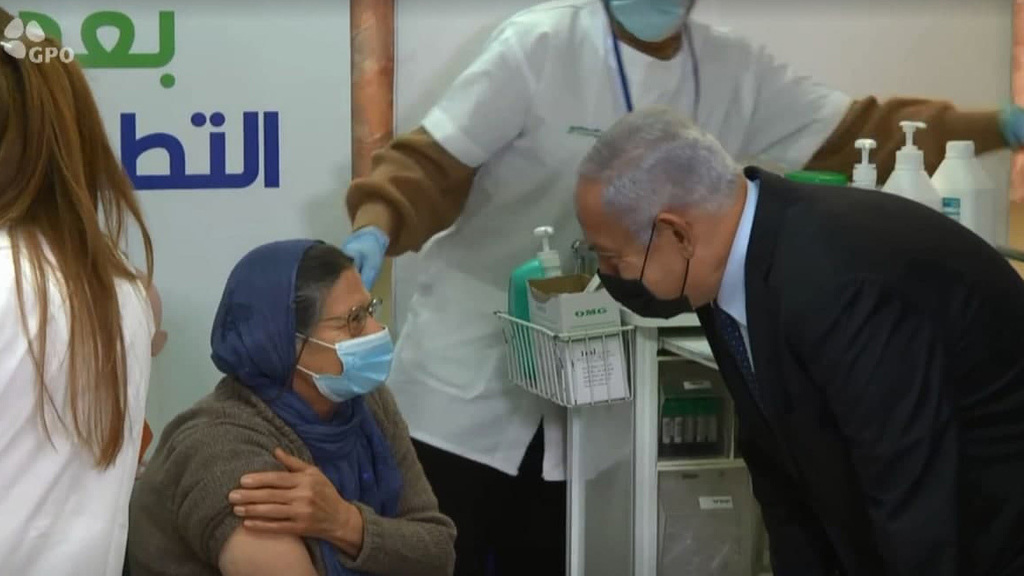
Prime Minister Benjamin Netanyahu visits a vaccination site in the Arab city of Tira in December
(Photo: GPO)
In under three months, Israel has vaccinated some 80% of its adult population. With infection rates plunging, that has allowed the country to reopen schools, restaurants, museums and the main airport just in time for election day.
First published: 09:04, 03.22.21