

It is not every day that one of the world’s most famous works of art is stolen, and it is not every day that a country loses one of its greatest national treasures. But August 22, 2004, began like any other day, and no one imagined it would end quite so dramatically.
Then again, dramatic events do not exactly happen every day in a sleepy country like Norway, let alone at a sleepy place like the Munch Museum in its equally sleepy capital, Oslo.
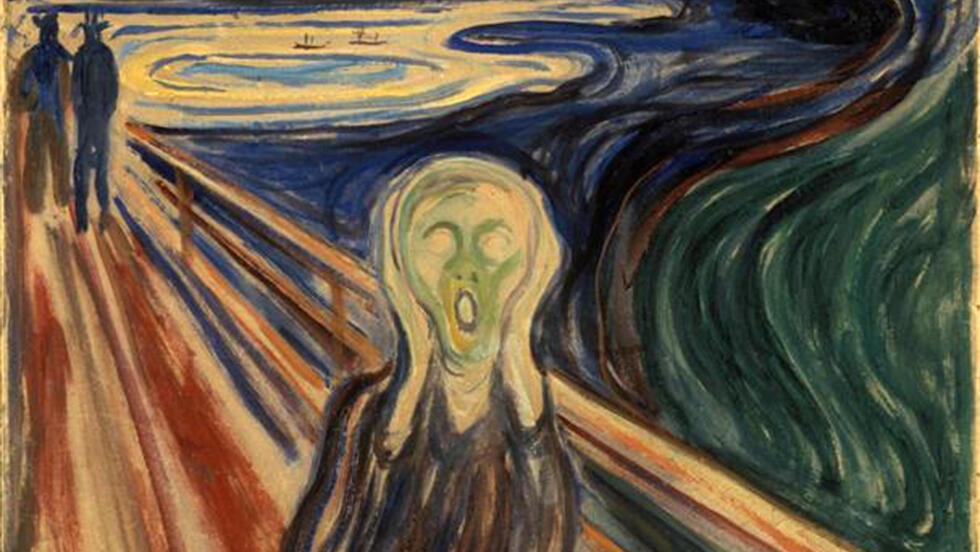
And yes, from the museum’s name, you can probably guess what draws most of its visitors there — or, more precisely, which two works. On the museum walls hung “The Scream,” Edvard Munch’s most famous painting, as well as “Madonna,” itself considered one of the world’s most valuable and widely discussed works of art.
When it comes to value, however, it is difficult to put a price on such iconic works. They were never intended to be bought by private collectors or removed from the museums that hold them. But in 2004, exactly 80 years after Munch’s death, his two most famous works were taken — and it was not particularly difficult.
All the robbers had to do was walk into the museum’s main hall in the middle of the day with their faces covered and guns drawn, press one gun to a security guard’s head, order two other guards and dozens of visitors to lie on the floor, and that was more or less it.
Sophisticated burglary equipment, specialized tools, cranes or drills? Forget it. Armored glass and elaborate alarm systems? Not here. The two paintings were simply hanging on the wall, secured with little more than wire.
To describe the museum’s security as inadequate would be something of an understatement. After a few more shouts and threats, the two robbers were already heading toward their getaway car, a black Audi driven by a third accomplice.
Norwegian authorities launched an investigation, but for a long time it appeared to be going nowhere. Investigators believed the thieves were simply sitting on their stolen goods, largely because selling such famous and high-profile works on the black market would have been almost impossible.
In hindsight, however, law enforcement agencies in Norway and elsewhere in Europe had been working throughout that period to reach both the robbers and, above all, the paintings.
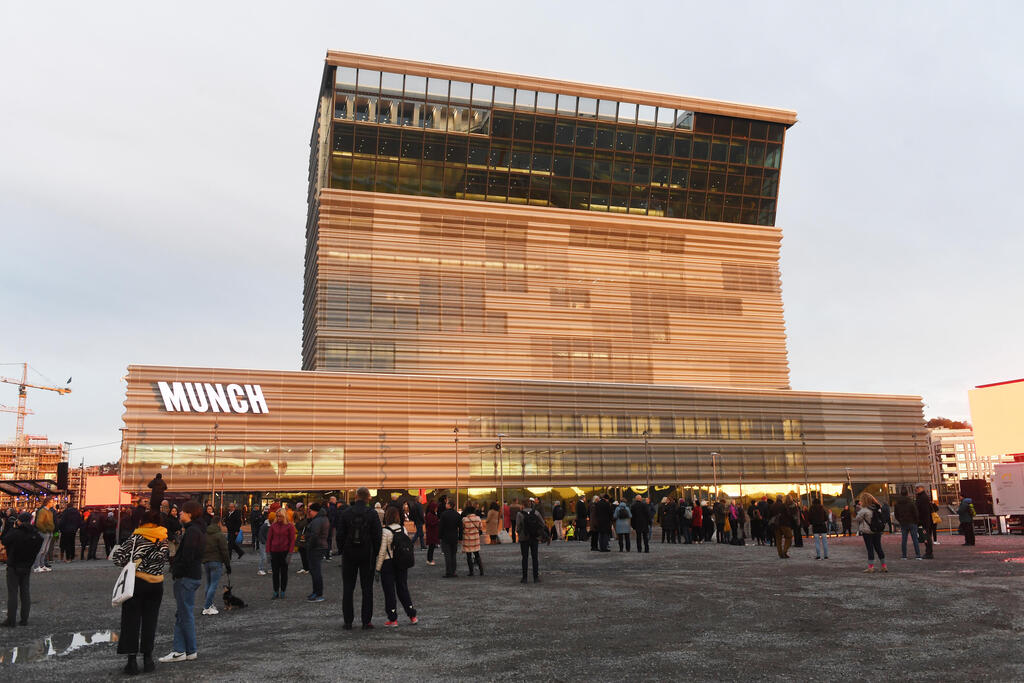
Munch Museum in Oslo
(Photo: Rune Hellestad/Getty Images)
Two years later came a breakthrough. Six known criminals were arrested and prosecuted on suspicion of planning, assisting or carrying out the robbery. The trial itself lasted only about six weeks, and three defendants were convicted and sentenced to prison terms ranging from four to eight years.
There was just one problem: the stolen paintings were still nowhere to be found, and the robbers were unwilling to say where they were.
Another two years passed before Oslo police proudly announced that, following a special operation whose details largely remain secret, they had recovered both paintings. Contrary to the many theories that had circulated, “The Scream” and “Madonna” had apparently never left Norway. They had also been kept in conditions hardly suitable for iconic works more than a century old.
Removed from their frames because the thieves reportedly feared tracking devices might have been hidden inside them, the paintings were found beneath a mattress in an old abandoned bus near an isolated farm.
“Madonna” appeared to have tolerated its new surroundings less well, suffering holes and scratches. “The Scream,” meanwhile, was mainly damaged by moisture, which caused significant deterioration to one corner of the painting.
Norwegian experts then spent another two years restoring the works before both were returned to the walls of the Munch Museum in Oslo in May 2008. This time, in case you were wondering, they were protected by considerably tighter security, including metal detectors, X-ray scanners and armored glass.
But another twist in the story only emerged later. Although Norwegian authorities have never revealed all the details, another particularly interesting name became linked to the case: David Toska. Toska was considered one of Scandinavia’s most notorious criminals of the 21st century.
Only months before the museum robbery, Norway had been shaken by an exceptionally violent armed cash-depot robbery in which tens of millions of Norwegian kroner were stolen and a police officer was killed. Toska, along with several members of his gang, admitted taking part in the robbery, though not in the killing of the officer. In 2006, he was sentenced to 19 years in prison.
So what did any of this have to do with the stolen paintings? One theory is that the Munch Museum robbery was carried out in the first place because Toska and his associates wanted to divert media attention — and, more importantly, the attention of Norwegian police — away from the deadly cash-depot robbery.
Another theory centers on reported links between some of those convicted in the art theft and Toska’s associates. According to several media reports, Toska himself may later have helped police locate the stolen paintings in an effort to reduce his prison sentence. Either way, the robbery remains one of the most extraordinary art thefts in recent history.
And you thought nothing exciting ever happened in a museum. Let alone in Norway.