

The Israel Railways closed the train line running between Beit Yehoshua and Tel Aviv Savidor Central for infrastructure work starting midnight, leading to heavy traffic Monday morning on roads between Netanya and Tel Aviv, including highways 1, 2, 5, and 20 (Ayalon).
The train works, which are set to continue 24 hours a day, will end only on Sunday, February 25. In addition to the closed train lines, the number of southbound trains from Nahariya, the Kryot area and Haifa was reduced.
Until then, night trains on the Nahariya-Ben Gurion Airport line will travel until Natanya. Free shuttles are being made available for passengers from the Netanya station to the airport and back. The shuttles will also make a stop at Tel Aviv Savidor Central. In addition, free shuttles will run between Tel Aviv's stations and Beit Yehoshua.
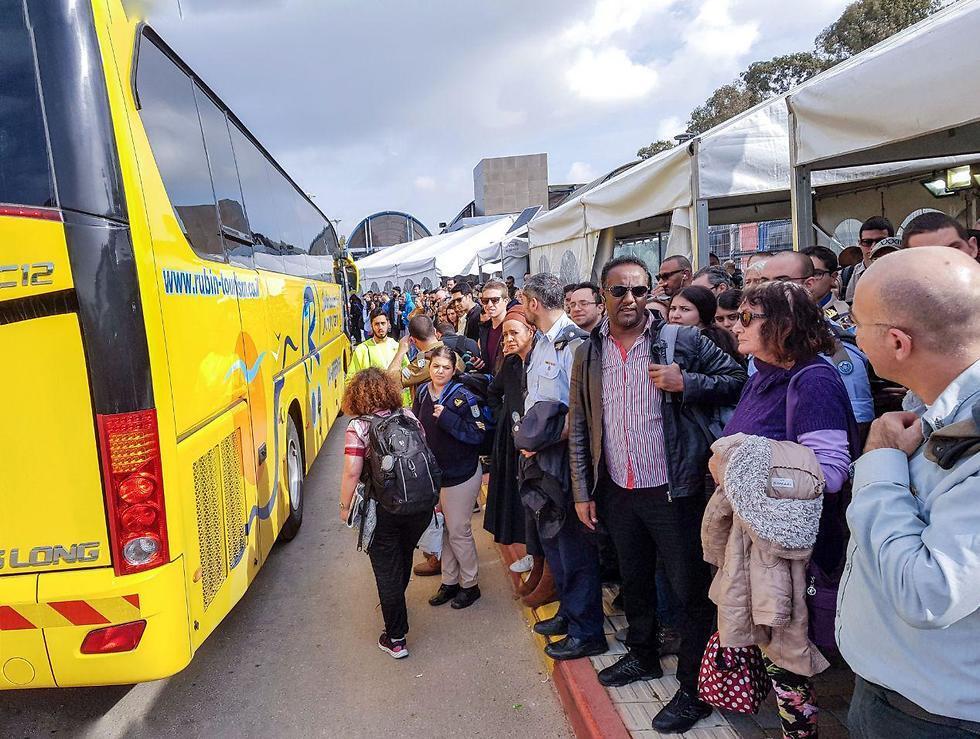
Additional buses to Tel Aviv will run from Haifa, Binyamina, Hedera and Netanya.
The infrastructure work will include four major changes: changing the Herzliya-Shefayim route and canceling the Kfar Shmaryahu level crossing; connecting the fast route to Jerusalem; infrastructure work on trains in the Sharon area; and making preparations to doubling the coastal train tracks between Tel Aviv and Haifa.
In addition, two other level crossings separating between agricultural areas will be canceled, one in Kfar Shmaryahu and the other in Rishpon.
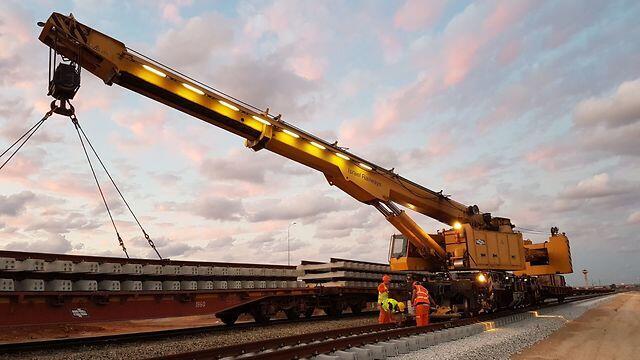
Infrastructure work
(צילום: דוברות רכבת ישראל)
Yaar Amir, who heads a forum for public transportation operators, slammed the Transportation Ministry's priorities, which "lead to half a country coming to a halt this week because the trains are not running, and the economy will lose tens of millions.
"Instead of investing in the cheapest and most common mode of public transportation—buses—massive budgets are funneled to private vehicles and trains. Until priority lanes for buses are enforced; until there's an investment in the necessary infrastructure; and until more bus drivers are recruited—we will all continue to spend many hours in traffic. This week is just going to be the tip of the iceberg in the national catastrophe public transportation and all of Israel's citizens are facing."