


In his annual “State of the Union” address, President Donald Trump did not speak of toppling Iran’s regime or eliminating its missile arsenal as necessary outcomes of a potential military operation. Instead, he set a concrete objective: that Iran must not possess nuclear weapons.
That leaves open the possibility that talks in Geneva could yield an agreement Trump could present as an Iranian capitulation, despite the current threats and tensions.
Trump's reference to Iran in the 'State of the Union' speech


Gallery
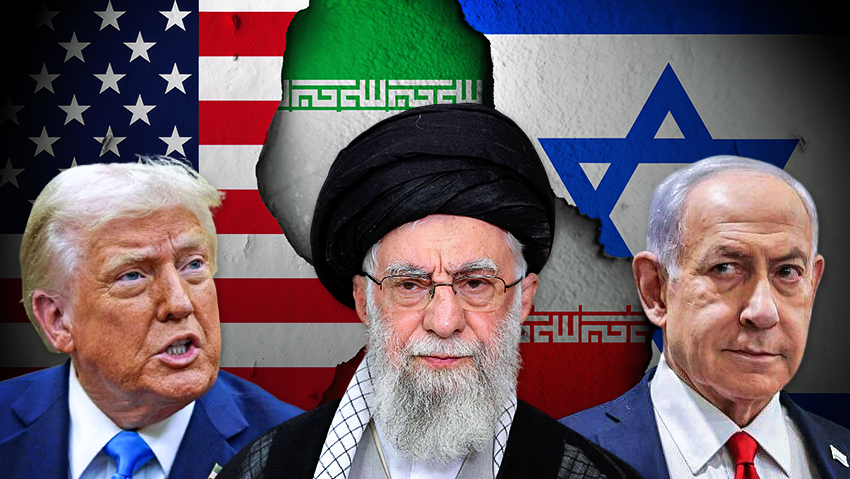
The message from Israel was received, but Trump did not set Iran’s missile program as a target
(Photo: Miriam Elster, WANA/Handout via REUTERS, Evan Vucci/AP, shutterstock)
Although Trump referred to protests in Iran and demonstrators who were killed, he stopped short of declaring that helping them overthrow the regime was a U.S. goal — a retreat from his earlier statement during a previous wave of unrest that “help is on the way.” In practical terms, as reflected in his remarks, any military strike would likely focus on nuclear facilities. If no strike occurs, Trump could declare victory through some form of agreement.
A central element of the speech was an effort to build public legitimacy for potential action, particularly given that the American public, including many Republican voters, does not support war. Amid reports of skepticism within Trump’s own circle about the effectiveness of future strikes, the president appeared to be laying the groundwork for possible military action. Still, he did not clearly explain why the United States should enter a prolonged conflict.
In contrast to previous speeches that centered almost exclusively on Iran’s nuclear program, Trump this time also highlighted the missile threat, cautioning that Iran has developed missiles capable of reaching Europe and US bases abroad and is working toward systems that could eventually strike the United States. His comments indicated that Israel’s concerns about Iran’s missile ambitions had been heard. Still, despite recognizing the issue, he stopped short — for now — of declaring Iran’s ballistic missile production a target for restriction.
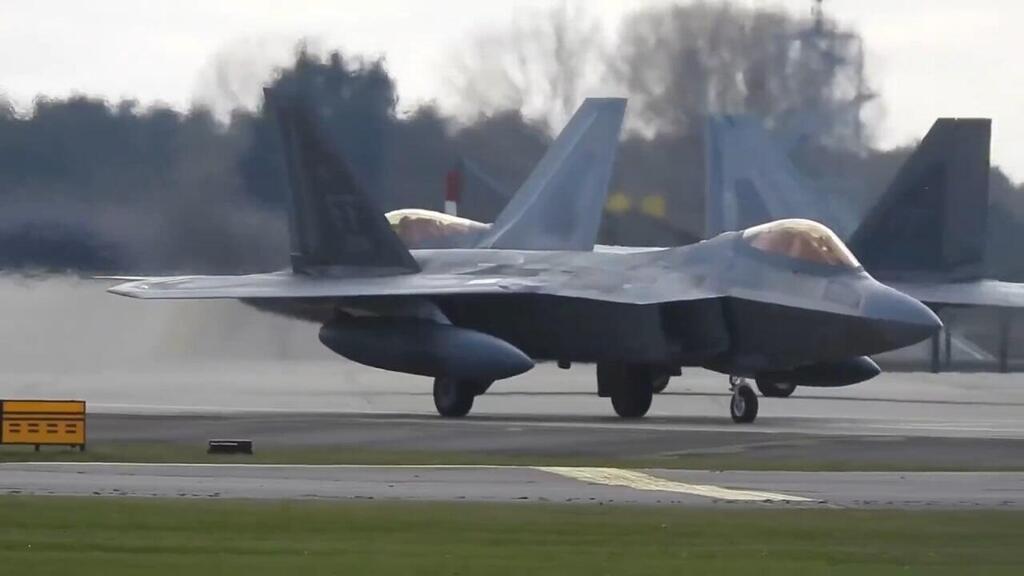
An F-22 fighter jet en route to Israel
(Photo: From X)
Trump also emphasized that the United States has the world’s strongest military, responding to reports of ammunition shortages that could limit Washington’s ability to sustain a conflict with Iran for more than a few days. He also mentioned Hamas and referred to Gaza, comments that may not bode well for Israel’s insistence on dismantling the militant group’s military capabilities.
The main concern arising from Trump’s remarks centers on the nuclear issue. The president said he had not heard the “magic words” from Iran regarding nuclear weapons, though Tehran has publicly insisted it does not seek them — assurances widely viewed with skepticism. The concern is that even if Iran agrees to a nuclear-only deal, despite doubts about its credibility, Trump may accept it and present it as a major achievement.
Overall, Israel has reason to be relatively satisfied with the speech. Trump adopted a firm tone and delivered a threatening message to Iran’s regime while leaving the door open to diplomacy. Israel was not mentioned by name in the portion addressing Iran — an outcome that suits both sides.
For Trump, invoking Israel could fuel critics who argue that it is driving U.S. policy. For Israel, avoiding explicit mention reduces the risk of being seen as having pushed the president into war should a strike fail. What matters most for Israel is the close military coordination between the two countries, underscored by the arrival of 12 F-22 fighter jets at an air base in southern Israel on Tuesday.