

Nearly five years after ordering the full-scale invasion of Ukraine and launching a bloody war with no end in sight, Russian President Vladimir Putin will seek to project strength this weekend as Russians head to the polls in the country’s first parliamentary election since the war began.
The tightly controlled vote features 10 parties, led by the ruling United Russia party, all of which support Putin’s policies. The only registered party that openly opposed the war in Ukraine has been barred from the nationwide race.
Gallery
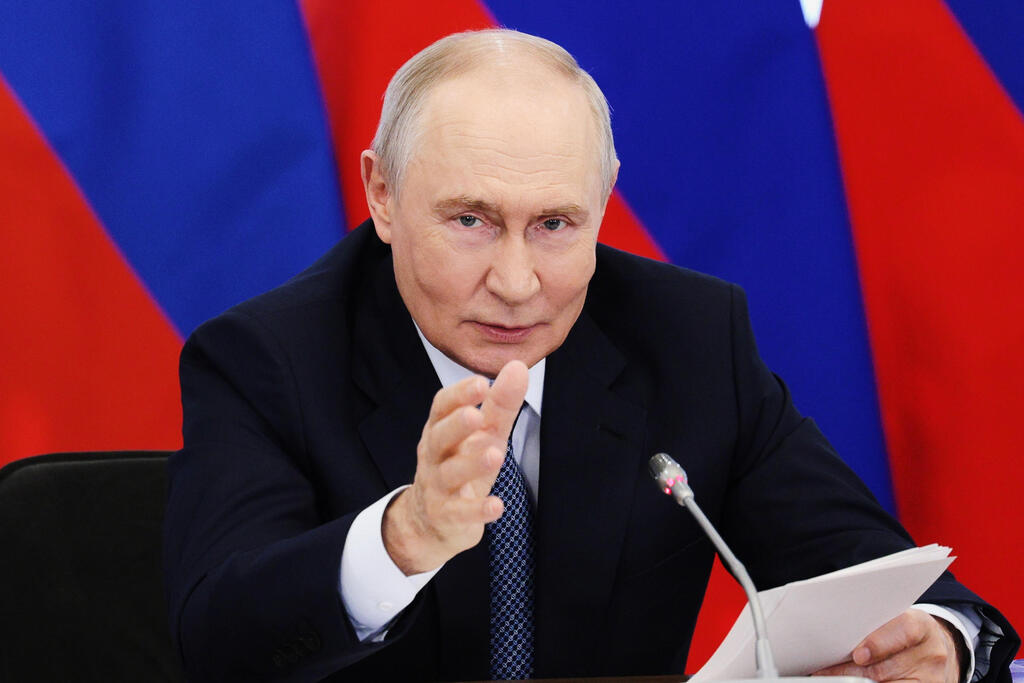
Russian President Vladimir Putin
(Photo: Gavriil Grigorov, Sputnik, Kremlin Pool Photo via AP, File)
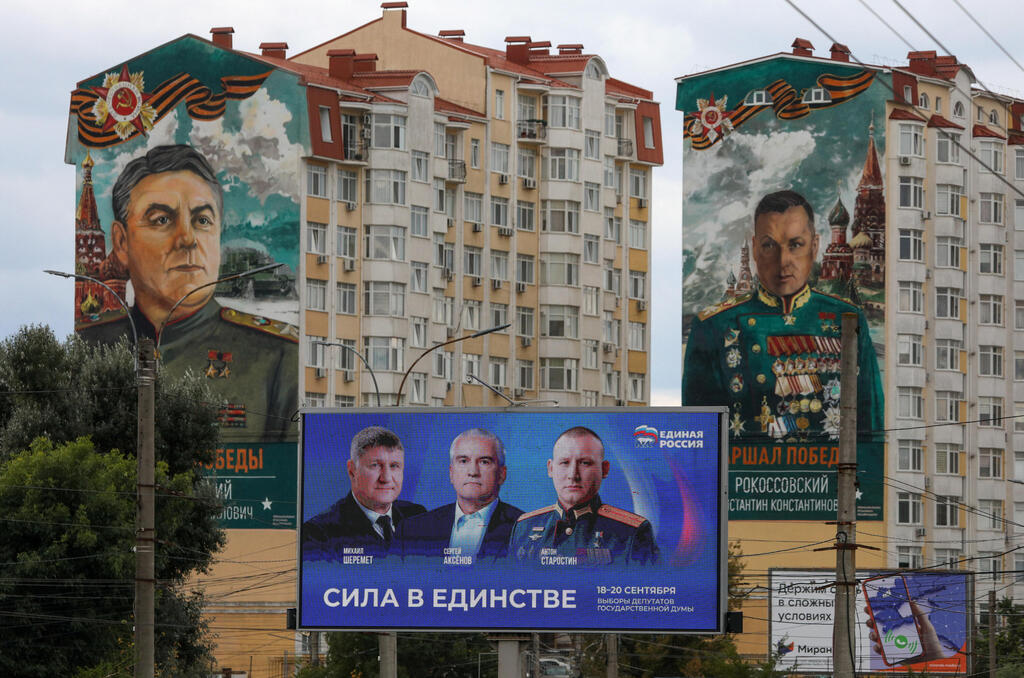
A United Russia campaign sign in Sevastopol, Crimea; residents of the annexed regions will also vote
(Photo: Alexey Pavlishak/Reuters)
The election comes at a difficult time for Putin’s government. In recent months, Russia has faced repeated Ukrainian drone attacks on oil facilities and e-commerce companies, causing significant economic damage and contributing to a prolonged fuel crisis. The strikes have also brought the war closer to Russian civilians, particularly those living relatively close to the Ukrainian border. Against that backdrop, the Kremlin hopes the election will underscore public support for the war and lend legitimacy to its policies.
Voting will take place over three days, from Friday through Sunday, with Russians choosing members of the State Duma, the lower house of parliament. Governors will also be elected in 11 regions and regional lawmakers in 39. The decision to spread voting over three days is intended to boost participation among the country’s 111 million eligible voters and includes the option of electronic voting.
For the first time, voting will also include residents of four Ukrainian regions — Donetsk, Luhansk, Kherson and Zaporizhzhia — that Moscow illegally annexed after invading them in 2022. Voting is also taking place in Crimea, which Russia illegally annexed from Ukraine in 2014.
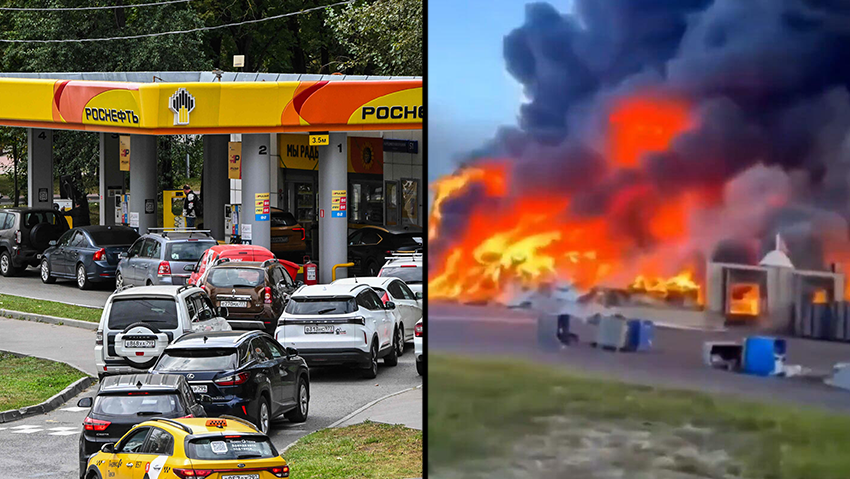
A line at a Moscow gas station and a Ukrainian strike on an oil facility; the Russian home front comes under attack
(Photo: Igor IVANKO / AFP)
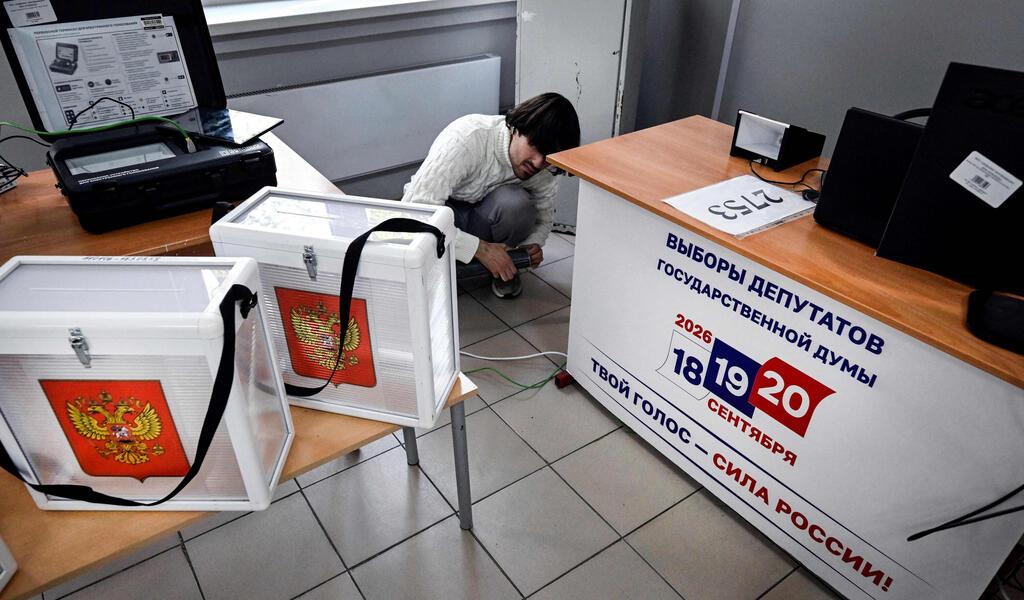
Final preparations at a Moscow polling station ahead of voting, today
(Photo: Alexander NEMENOV / AFP)
Elections to the Duma use a mixed system. Half of its 450 seats are allocated through nationwide proportional voting for party lists, while the other half are filled by candidates elected individually in local constituencies. Each voter therefore casts two ballots.
United Russia, the Kremlin’s main ruling party, currently holds more than two-thirds of the seats in the Duma. Other parties described as the “systemic opposition” generally vote in line with the government on major issues and also hold seats in parliament.
The liberal Yabloko party, the only registered party opposed to the war, was initially included on the ballot. In August, however, Russia’s Supreme Court barred it from the nationwide party-list contest and ordered its removal from the ballot. The court cited, among other arguments, claims that the party’s anti-war stance was equivalent to calling for a violation of Russia’s territorial integrity.
Yabloko is now fielding candidates only in individual constituency races, and some of those candidates have also been disqualified.
Long-serving foreign minister and Ukrainian drone survivor
United Russia, whose emblem features a bear beneath the Russian tricolor, won more than two-thirds of Duma seats in the previous election in 2021 and enters this election with overwhelming control of the chamber. The party benefits from extensive state media backing and tight government control over the electoral process.
Its candidate list is headed by several prominent political figures, including Foreign Minister Sergey Lavrov, 76, who has held the post for 22 years, and Sergei Sobyanin, 68, Moscow’s influential mayor. In an apparent effort to add a younger face to a party widely associated with officials and bureaucrats, war correspondent Yevgeny Poddubny, who was seriously wounded in a Ukrainian drone strike, was placed third on the list.
The bear and the tricolor; emblem of the ruling United Russia party
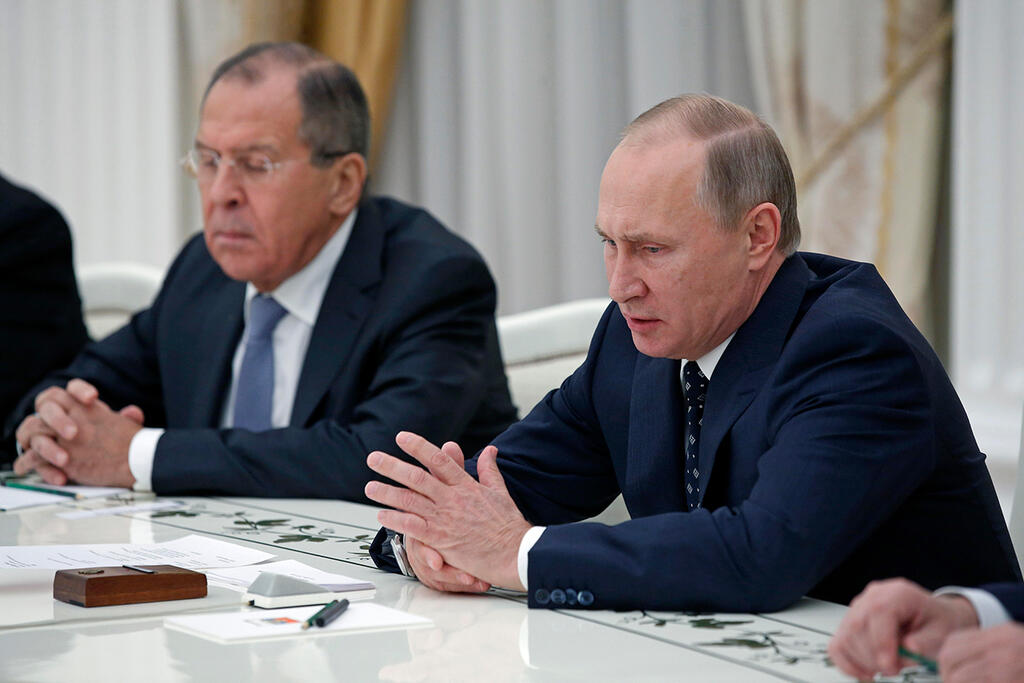
Long-serving Foreign Minister Sergey Lavrov with President Putin
(Photo: AP)
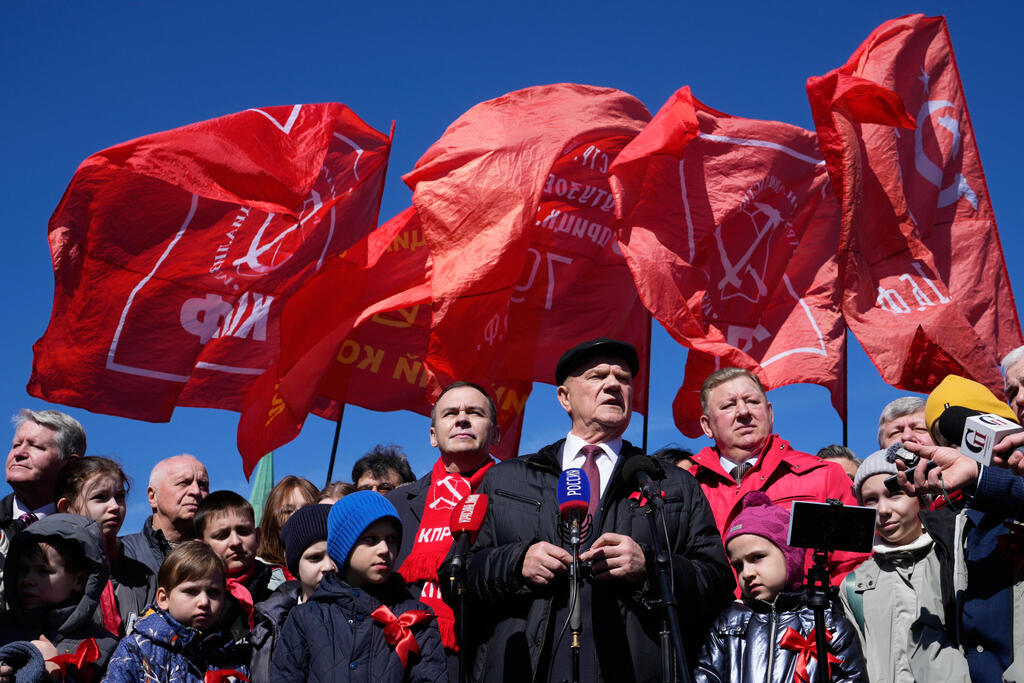
Gennady Zyuganov and Communist Party supporters; seeking to appeal to younger voters on social media
(Photo: Pavel Bednyakov/AP, File)
United Russia members have pledged support for the war effort and for Putin’s maximalist goals in what the Kremlin calls its “special military operation” in Ukraine.
At the same time, Sobyanin, widely regarded as a pragmatist, has rejected calls from Russian hard-liners for a large-scale mobilization of conscripts and for placing the entire economy on a war footing.
“To destroy a normal economy means destroying the entire country,” he said, in remarks reflecting the Kremlin’s desire to continue the war without risking another broad mobilization, a deeply unpopular step.
Another major political force is the Communist Party, which has been a leading presence in parliament since the 1990s. It has been led for more than three decades by Gennady Zyuganov, 82, a former Soviet official.
During more than a quarter-century of Putin’s rule, the Communists have criticized some aspects of government policy but have been careful to avoid personal criticism of Putin. They have also consistently supported the war in Ukraine.
“We strictly follow President Putin’s directives,” Zyuganov said last month while inspecting a shipment of military supplies.
The party has recently stepped up its social media activity in an effort to reduce its reliance on older voters and broaden its appeal among younger Russians.
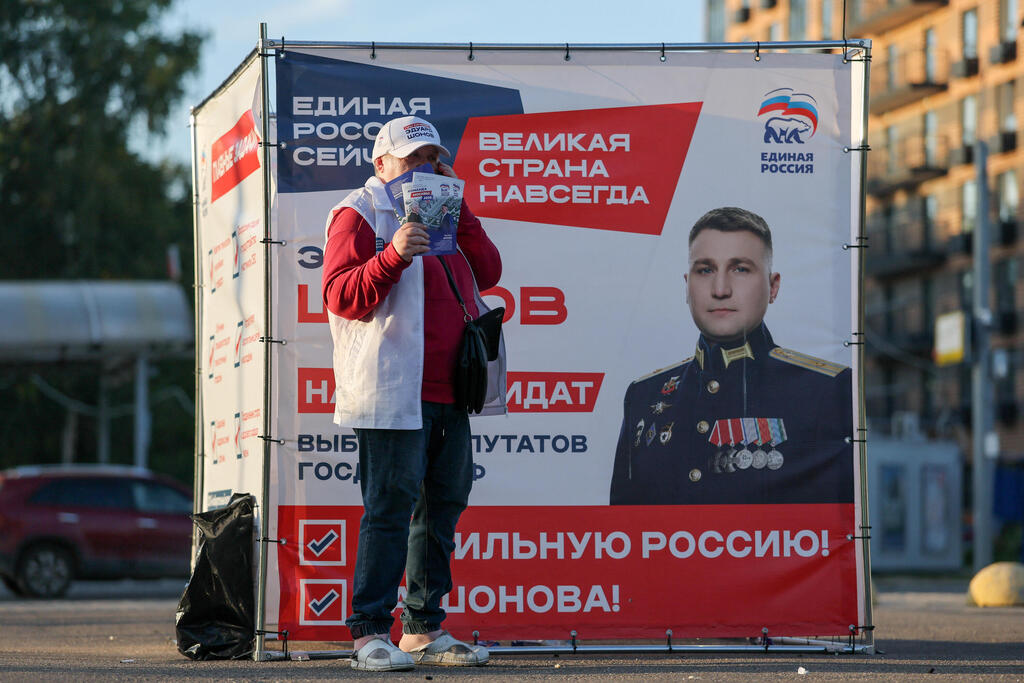
A campaign volunteer for United Russia candidate Eduard Shunov tries to persuade voters in Moscow
(Photo: Ramil Sitdikov/Reuters)
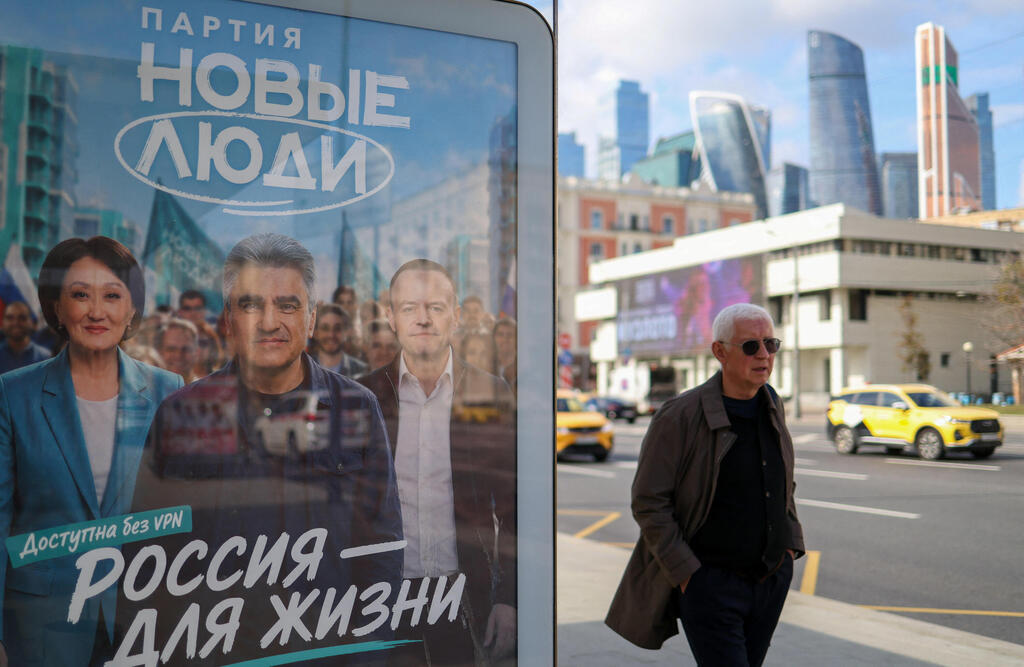
A campaign sign promoting New People candidates; the liberal promise disappointed
(Photo: Ramil Sitdikov/Reuters)
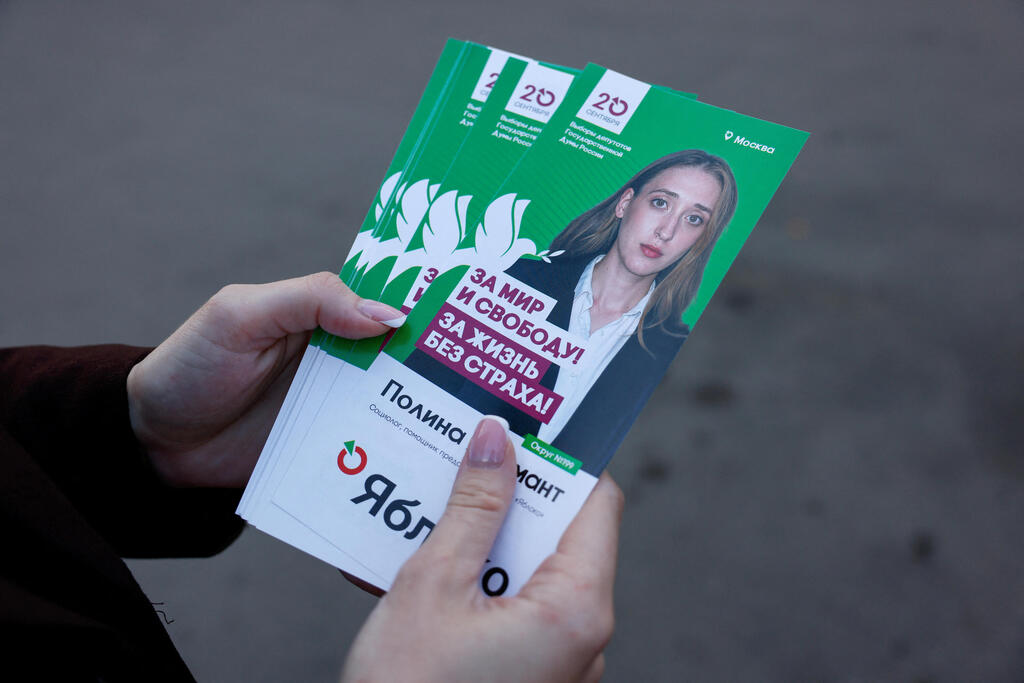
Yabloko candidate Polina Lermont, 24, hands out campaign leaflets in her constituency race after the liberal party was barred from the nationwide contest
(Photo: Yulia Morozova/Reuters)
A third major contender is the Liberal Democratic Party of Russia, whose name is misleading: In practice, it is an ultranationalist force. The party was founded by Vladimir Zhirinovsky, a fiery and often provocative politician who called for retaking former Soviet territories and threatened the use of nuclear weapons against Russia’s enemies.
The party has maintained a significant presence in parliament since the early 1990s and competes with the Communists in appealing to nostalgia for the Soviet Union. Since Zhirinovsky’s death in 2022, it has been led by Leonid Slutsky, a former university lecturer who has faced allegations of sexual harassment.
Like the Communists, the Liberal Democrats strongly support the war and emphasize the presence of military veterans in their ranks.
Among the party’s candidates is Viktor Bout, a former arms dealer nicknamed the “Merchant of Death.” Bout was serving a 25-year prison sentence in the United States before being freed in December 2022 in a prisoner exchange for WNBA star Brittney Griner, who had been detained in Moscow 10 months earlier for possession of cannabis oil.
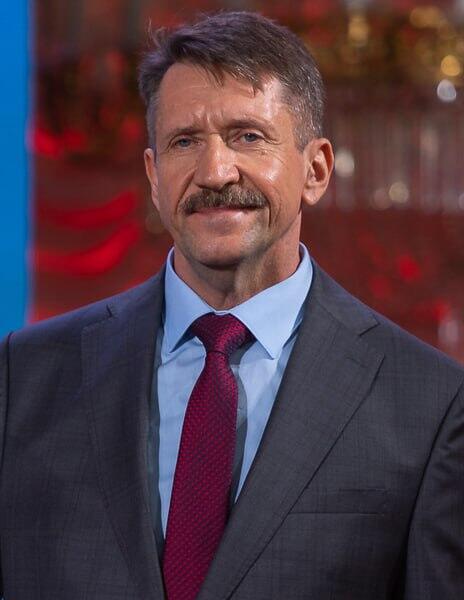
'Merchant of Death' Viktor Bout; from a US prison to the State Duma in Moscow
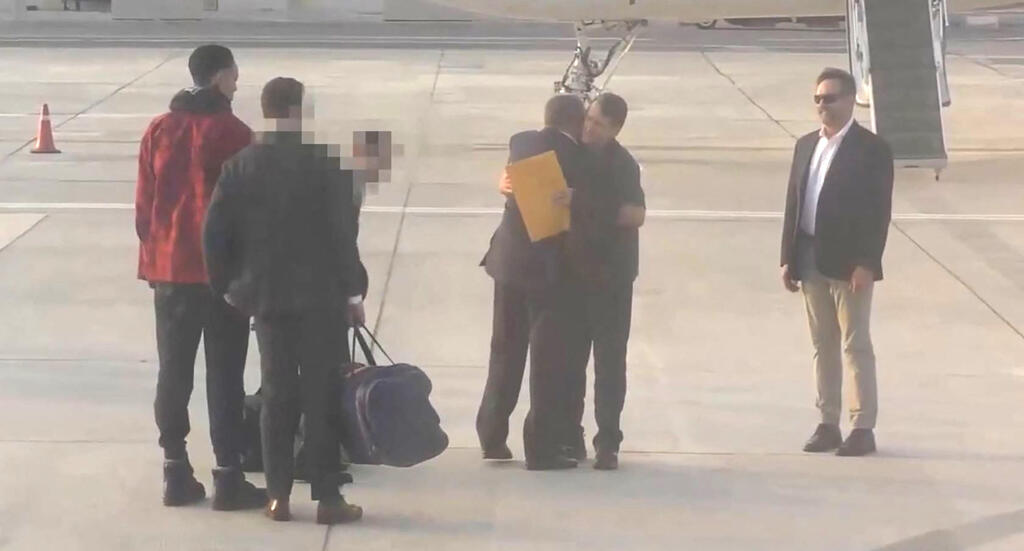
The prisoner exchange in which the United States and Russia handed over Brittney Griner and Viktor Bout
(Photo: AFP)
Bout is a former Soviet Air Force officer who for decades sold weapons to governments and armed groups involved in some of the world’s bloodiest conflicts, including in Liberia and Angola.
He was arrested in Thailand in 2008 in a sting operation in which U.S. agents posed as members of Colombia’s FARC rebel group and told him they wanted to expand the Marxist organization’s weapons arsenal. His career helped inspire the 2005 film “Lord of War,” starring Nicolas Cage.
Putin approval at 76%: ‘We will show again that we are united’
Several smaller parties round out the ballot, including A Just Russia, which has been active in Russian politics for two decades. A social-democratic party, it competes with the Communists for older and middle-aged voters nostalgic for the Soviet era and supports the war in Ukraine.
Its leader, Sergei Mironov, 73, previously drew attention after posing with a symbol associated with Wagner Group brutality — a heavy sledgehammer given to him by Yevgeny Prigozhin, the late leader of the Wagner mercenary organization, shortly before Prigozhin’s failed 2023 mutiny against Putin.
Wagner fighters were alleged to have used such sledgehammers to execute people they considered traitors.
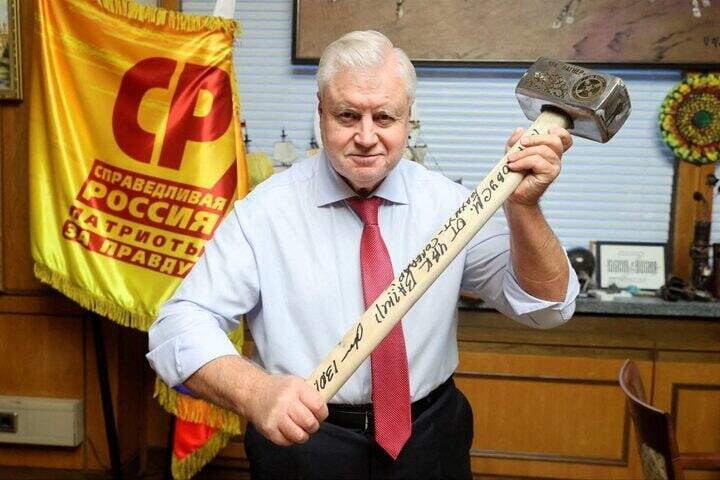
Sergei Mironov and the sledgehammer he received from Prigozhin; a symbol of brutality
Also on the ballot is New People, founded shortly before the previous parliamentary election in 2021. It initially sought to position itself as a liberal voice representing younger voters and technocrats and won slightly more than 5% of the vote, enough to form a small parliamentary faction.
Although it initially presented itself as an opposition force, the party later embraced Putin’s policies, disappointing many supporters. It is led by Alexei Nechayev, who also heads a cosmetics company, and is widely viewed by Kremlin critics as a government-backed project designed to appeal to liberal voters while creating the appearance of political competition.
Other parties seeking seats include Communists of Russia, a smaller rival to the main Communist Party; the Party of Pensioners; the Greens; the Direct Democracy Party; and Motherland, or Rodina, a hard-line nationalist party.
Motherland is led by Alexei Zhuravlev, who petitioned the Supreme Court to bar liberal Yabloko from the nationwide vote.
It remains unclear how many Russians will turn out to vote. Polls indicate that Ukrainian attacks inside Russia and the worsening economic situation have hurt public morale. Putin’s approval ratings remain high, but the independent Levada Center recorded a decline from 87% in September 2025 to 76% in August.
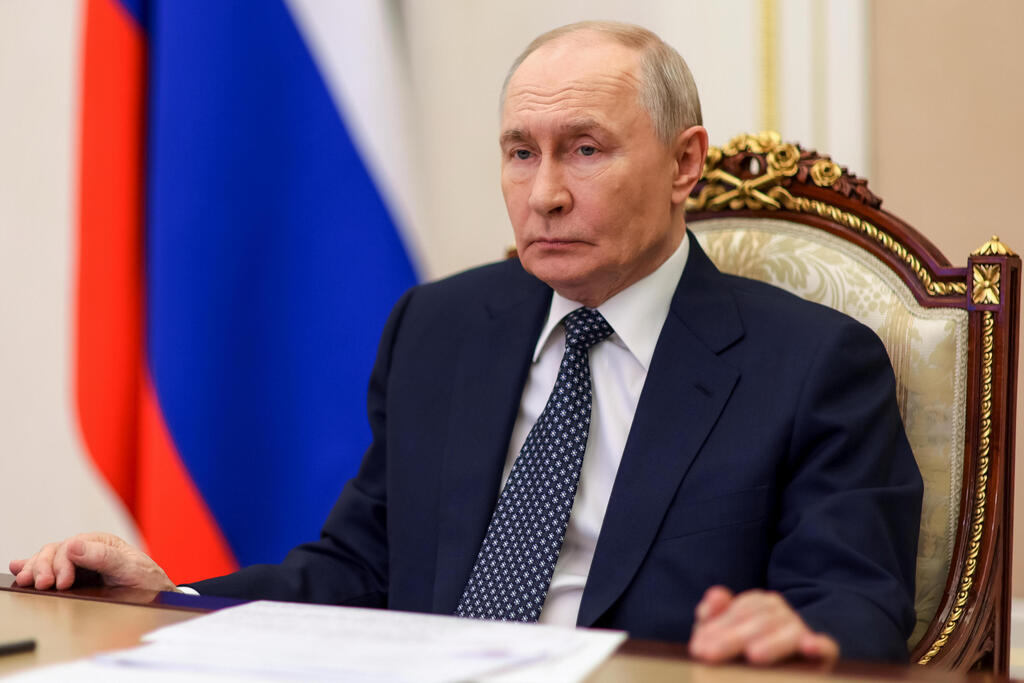
The chief economist dared to warn of social unrest — and was fired; Putin
(Photo: Gavriil Grigorov/Sputnik, Kremlin Pool Photo via AP)
Even some senior members of Russia’s establishment have publicly expressed concern about the situation.
Andrei Klepach, chief economist at state development corporation VEB.RF, recently warned of possible domestic unrest in Russia.
“We will not win this competition in a war of attrition,” he said. “Our costs are soaring. I am almost certain that we will face a social crisis.”
Klepach was dismissed after his remarks drew widespread attention.
In an address to Russians ahead of the vote, Putin sought to project confidence.
“Your choice and determination will once again prove that millions of people stand behind our fighters and that we are a united people, bound by shared values, historical memory and love for the Motherland.”