

The Air Force is operating at full capacity in the opening days of Operation Roaring Lion, carrying out repeated waves of strikes deep inside Iran every few hours, as flight crews describe an unprecedented operational tempo.
Dozens and at times hundreds of aircraft have taken part in individual strike waves, with commanders placing top priority on maintaining continuity of operations and meeting mission objectives.
IAF strikes in Iran
(Video: IDF)


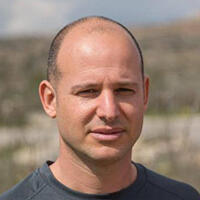
Maj. B., an F-16 combat navigator, said the scale and intensity of the campaign have pushed squadrons to their limits.
“This war is unique. It is pushing the Air Force to the edge,” he said. “Every crew member who comes in has to fill a role because everyone is flying at a high tempo and receiving many missions.”
He said he has taken part in several long-range sorties over Iran, in addition to interdiction missions along closer fronts. His squadron participated in the first wave of strikes at the outset of the war.
“In terms of the number of sorties and aircraft, we are at much higher levels than in the previous round of fighting in June,” he said. “We haven’t completed four days and we’ve already surpassed the number of flights we had then.”
According to him, aircrews are working extended hours with limited sleep to sustain the pace of operations.
“Each crew member is working long hours throughout the day. We count sleep hours for everyone, and it’s not what we were used to. Everything is to deliver the most aggressive campaign possible. We are fighting a state, not a terror organization.”
The missions involve lengthy flights requiring sustained concentration. The outbound leg, he said, is especially complex, with multiple procedures and target confirmations before weapons release.
“There aren’t many points where you can reduce the workload and relax,” he said. “Maybe a little once you cross into relatively safer areas on the way back.”
To manage the long hours in the cockpit, crews bring small supplies — energy bars, dried fruit and water — to maintain focus.
Strikes in Tehran
Maintaining operational secrecy, particularly regarding timing, adds another layer of strain.
“If the timing becomes known, the risk to us increases and the ability to harm the country grows,” he said. “There are difficult feelings too — whether someone close to you will be in a protected area and have time to prepare. But we’re Israelis, and everyone knew this was coming.”
While much of the public discussion has focused on strikes against Iranian missile capabilities and senior figures, he said the Iranian Air Force has posed limited challenges so far.
“It doesn’t feel like Gaza,” he said. “Each mission has its own emphasis. Every crew member going to Iran doesn’t want to be the one who is surprised. In most sorties there have been no unusual incidents. There are no dogfights. They try to be active, but so far we haven’t encountered significant aerial threats.”
For Maj. B., the campaign is also shaped by the memory of Oct. 7.
“As someone who served for many years in the standing army and was on duty on Oct. 7, I am part of the military — the same military that failed in its mission,” he said. “That is burned into my mind. There isn’t a flight I take where I don’t think about Oct. 7. I do everything so that it won’t happen again.”
He described serving in the current campaign as both a heavy responsibility and a privilege.
“It’s a privilege to be in a place that influences the security of Israel in such a way,” he said, concluding with wishes for a happy Purim and Ramadan Kareem to the public.