

Iran expanded its missile campaign across the Middle East on Wednesday, firing a ballistic missile toward Turkey for the first time in what Ankara described as a dramatic escalation given its status as a key member of NATO.
The missile was intercepted by a NATO force before it entered Turkish airspace, Turkey’s Defense Ministry said. A Turkish official later said Turkey was not the intended target. “We believe the target was a military facility in Cyprus, but the missile veered off course,” the official said.
Gallery
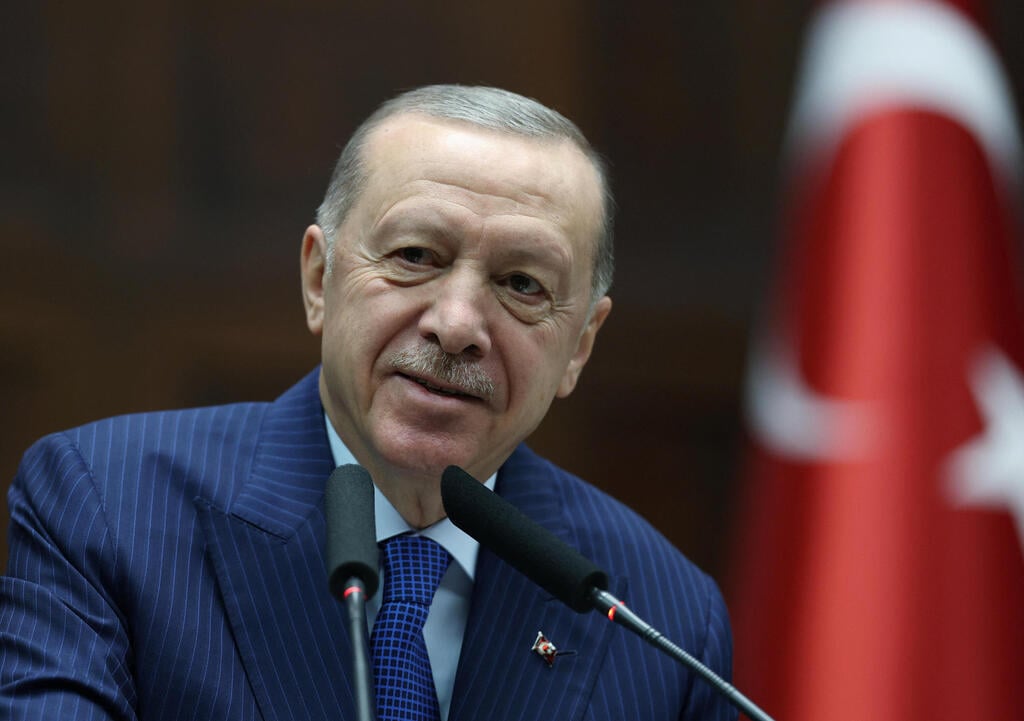
Turkish President Recep Tayyip Erdogen
(Photo: Mustafa Kamaci/Turkish Presidential Press Office/Handout via REUTERS)
According to the Turkish Defense Ministry, the missile passed through Syrian and Iraqi airspace before it was destroyed.
It marked the first time Turkey, which borders Iran to the northwest, has come under fire from the Islamic Republic. In recent days, Iran has launched attacks on several countries in the region, including Saudi Arabia, Bahrain, Qatar, Kuwait and the United Arab Emirates, in what regional officials have described as an effort to intimidate them and pressure U.S. President Donald Trump to halt the war.
The Turkish Defense Ministry said debris from the intercepted missile fell near the town of Dortyol in Hatay province. No injuries were reported.
“We warn all parties to refrain from actions that would lead to further escalation of conflict in the region,” the ministry said in a statement. “In this context, we will continue to consult with NATO and our other allies. All necessary steps to defend our territory and airspace will be taken resolutely and without hesitation. We remind all parties that we reserve the right to respond to any hostile actions against our country.”
Turkish officials did not mention invoking Article 4 of the NATO treaty, which provides for consultations when a member believes its territorial integrity, political independence or security is threatened. Under the alliance’s collective defense clause, Article 5, an attack on one member is considered an attack on all.
Speaking to the media on Wednesday, U.S. Secretary of War Pete Hegseth also said he saw “no sense” that the incident would trigger Article 5.
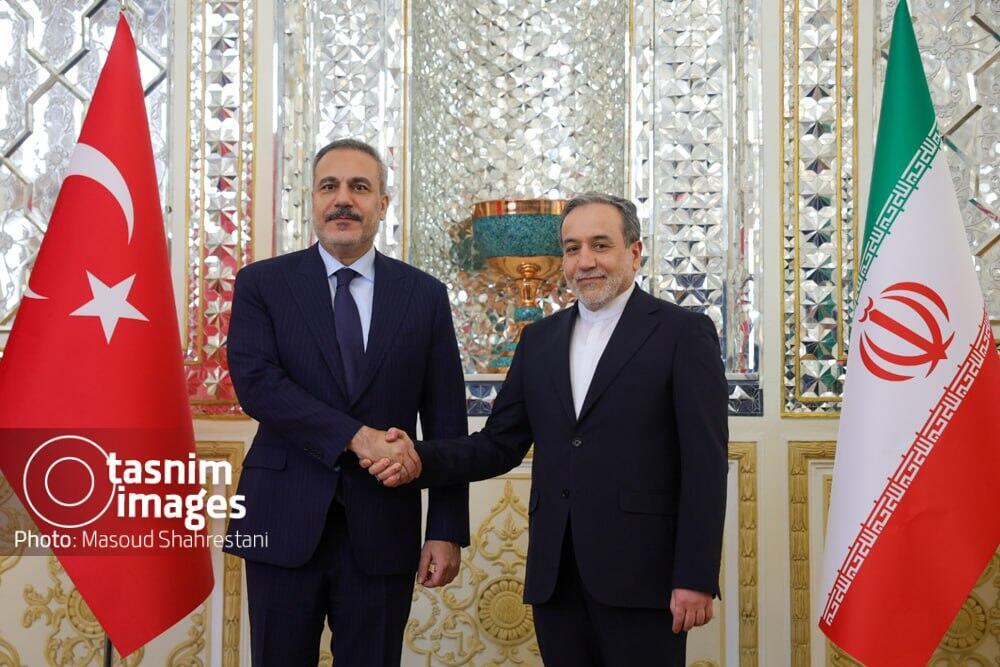
Turkish Foreign Minister Hakan Fidan spoke with his Iranian counterpart, Abbas Araghchi
Turkey’s Foreign Ministry said Foreign Minister Hakan Fidan spoke with his Iranian counterpart, Abbas Araghchi, to lodge a formal protest over the launch. According to the ministry, Fidan told Araghchi that steps that could further widen the war must be avoided.
Shortly after Ankara’s statement, NATO issued its own response. “We condemn Iran's targeting of Turkiye,” NATO said in a statement. “NATO stands firmly with all Allies, including Turkiye, as Iran continues its indiscriminate attacks across the region. Our deterrence and defense posture remains strong across all domains, including when it comes to air and missile defense.”