

Sen. Lindsey Graham planned to travel to Florida in early March to persuade U.S. President Donald Trump to join Israel in bombing Hezbollah in Lebanon, but abandoned the idea after Prime Minister Benjamin Netanyahu warned him that expanding the war would be too much, too soon.
The conversation, captured in unreleased documentary footage reviewed by The Wall Street Journal, offers a rare glimpse into Graham’s close relationship with Netanyahu and his yearslong campaign to persuade Trump to take military action against Iran.
Gallery
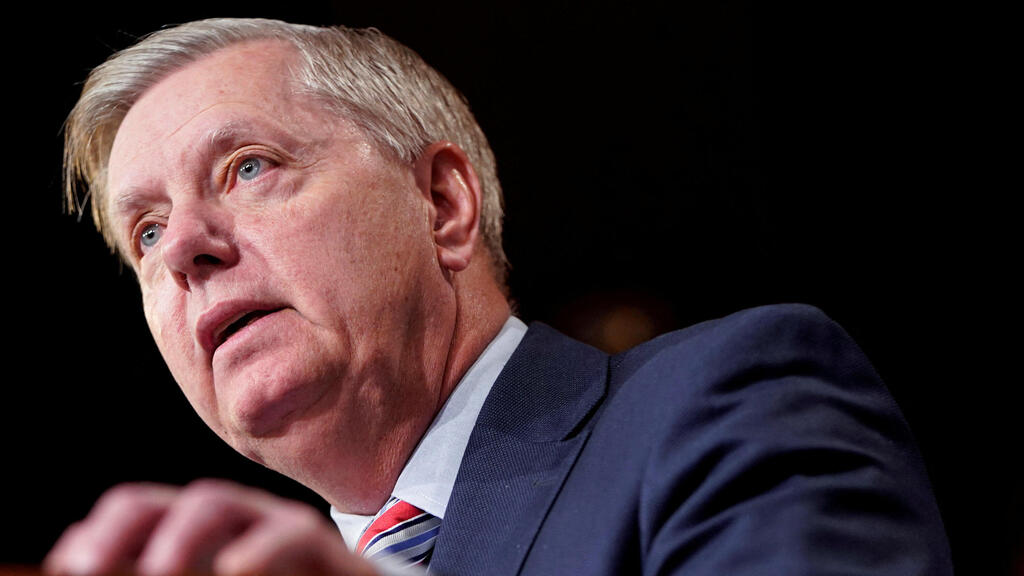
Sen. Lindsey Graham dropped plans to push Trump into bombing Hezbollah after Netanyahu warned against widening the war
(Photo: REUTERS/Joshua Roberts)
“We’re concentrating right now on Iran,” Netanyahu told Graham during the March 4 call. “If we tell Hezbollah that we’re going all the way, we threaten them, but if we actually do it, then they have no reason not to go all the way against us. And right now that’s not our interest.”
“That’s actually good counsel,” Graham replied from his Senate office, where Trump hats, scattered papers and Planters Peanuts covered the room and a bottle of bourbon sat on a shelf.
The exchange was filmed by documentary director Alex Holder, who had been granted extensive access to the South Carolina Republican since 2023. The footage chronicles Graham’s relationship with Trump and Netanyahu, as well as his obsessive effort to topple the Iranian regime.
It also shows that Graham sometimes advocated even more aggressive action than Netanyahu himself was prepared to support.
“Look what we’ve done here. I almost cried,” Graham told the film crew shortly after U.S. strikes on Iran began in February, laughing loudly. “How long have we been pushing this?”
He said Trump was equally enthusiastic.
“I talked to Trump this morning, he’s jacked, he said, ‘best thing I have ever done.’ He loves blowing stuff up.”
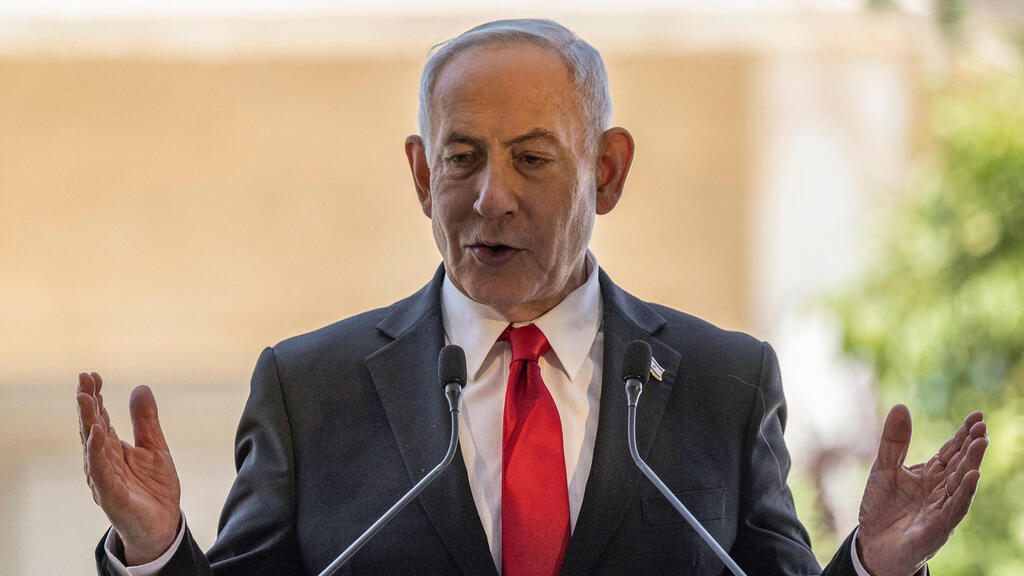
Prime Minister Benjamin Netanyahu
(Photo: Ilia YEFIMOVICH / AFP)
The crew traveled regularly with Graham, often sitting in the back seat of his car while he took sensitive calls from the front. It was also allowed into private meetings with senior officials and world leaders. Some people who spoke with Graham by phone told the Journal they had not known the calls were being recorded.
The footage includes Graham flying to meet Saudi Crown Prince Mohammed bin Salman to build support for the war in Iran, speaking with military commanders, holding talks with Ukrainian President Volodymyr Zelensky and meeting Israeli officials and Mossad representatives as Israel prepared for the conflict.
Holder said Graham received treatment in Israel more befitting a prime minister or monarch than a U.S. senator.
During his call with Netanyahu, Graham said the fall of the Iranian regime could open the way for normalization between Israel and Saudi Arabia, adding that he had already assembled Republican and Democratic support for such a move.
Netanyahu urged him to remain focused on Iran first.
The Israeli government did not respond to a request for comment.
Holder is now reviewing hundreds of hours of raw footage for a documentary tentatively titled “Lindsey’s Game,” which he hopes to release in the coming months. Graham approved the project, saying he wanted viewers to understand his long career in the Senate and perhaps inspire others to enter public service.
“He would call what this was ‘a game,’” Holder said, recalling Graham’s amazement that a senator from South Carolina had developed a closer relationship with the Saudi leader than many senior officials in either Democratic or Republican administrations.
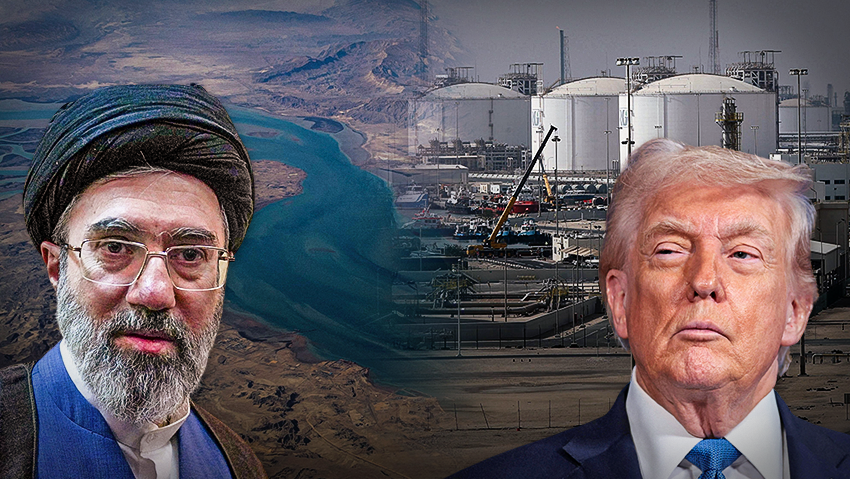
Footage reveals moments of frustration with the president, particularly after Trump signed a preliminary agreement with Iran in June
(Photo: Hamed Jafarnejad/ISNA/WANA (West Asia News Agency) via REUTERS, REUTERS/Jonathan Ernst, REUTERS/Stringer, AFP)
The footage also shows Graham discussing Middle East diplomacy in March with Jake Sullivan, who served as national security adviser under former President Joe Biden.
“I can’t do it with Jared, and I can’t do it with Witkoff. They’re just too conflicted. It’s gotta be Rubio,” Graham told Sullivan, referring to Trump advisers Jared Kushner and Steve Witkoff, and Secretary of State Marco Rubio.
A White House official said Graham, Witkoff and Kushner were close friends.
“Steve Witkoff and Jared Kushner are excellent dealmakers whose results speak for themselves,” the official said.
When Sullivan asked how much longer Graham expected the Iran war to last, the senator offered a prediction that proved far too optimistic.
“In three to four weeks, we’re going to have them in a spot where they start losing control of some cities…get the Arabs more openly involved tomorrow, and then have almost irreversible momentum.”
Graham also described resistance within the administration from officials who did not want Trump to enter a war with Iran. He later complained that Republicans and administration officials were failing to publicly defend the campaign.
“Very few people are out selling this war from the administration. I’m shocked,” he told the crew.
Although Graham remained one of Trump’s most loyal allies, the footage reveals moments of frustration with the president, particularly after Trump signed a preliminary agreement with Iran in June.
During the documentary’s final interview, conducted at a bagel shop in Columbia, South Carolina, just weeks before Graham’s death, the senator said Trump appeared to be losing resolve.
“He’s letting this thing slip away,” Graham said. “I got to go talk to him.”
Graham frequently expressed amazement at the access he enjoyed to Trump, telling Holder that the president was easier to reach than the filmmaker himself. Graham said Trump was “fun to be around” and that he liked him, while also acknowledging what he viewed as the president’s political limitations.
Graham appeared to relish his place at the center of events.
“We could do a media show every two seconds,” he said during the Iran war, asking his press secretary whether he had ever been in such demand.
He also joked about how he would react to Holder’s documentary.
Graham told the filmmaker that if the project was successful, he would take credit for it. If it failed, he said: “I’ll just call you a bunch of Communists and raise lots of money.”
Graham’s critics have long argued that he made moral and political compromises to remain relevant in Trump’s Washington. Once a close ally of Democrats and the late Republican Sen. John McCain, Graham had been fiercely opposed to Trump during the 2016 election and called him a threat to the United States.
He broke with Trump after the Jan. 6, 2021, attack on the U.S. Capitol, but later played down the rupture. Holder said Graham remained unapologetic about his relationship with Trump and often laughed at protesters who gathered outside his events.
Graham had previously called Trump “the greatest president of all time.”
In the final weeks of Graham’s life, Holder said the senator often appeared exhausted. When asked whether he was all right, Graham said he had no time to rest because he still needed to finish off the Iranian regime, help broker peace between Russia and Ukraine and establish diplomatic relations between Israel and Saudi Arabia before the end of the year.
At one point, Holder recalled, Graham looked “absolutely disheveled and exhausted” and complained that others were not doing enough to help him.
“He’d say, ‘There’s no way I can die yet,’” Holder said.