


If Israel’s stated goal is to bring about regime change in Iran, its politicians, diplomats and military leaders might benefit from a deeper understanding of past foreign-backed coups—and their long-term consequences.
One particularly relevant case lies in Iran itself. Some 72 years ago, following a crisis between the Anglo-Iranian Oil Company—a powerful British conglomerate—and the Iranian government’s decision to nationalize the country’s oil industry, the CIA, with British support, orchestrated a coup that toppled the democratically elected prime minister, Mohammad Mosaddegh.
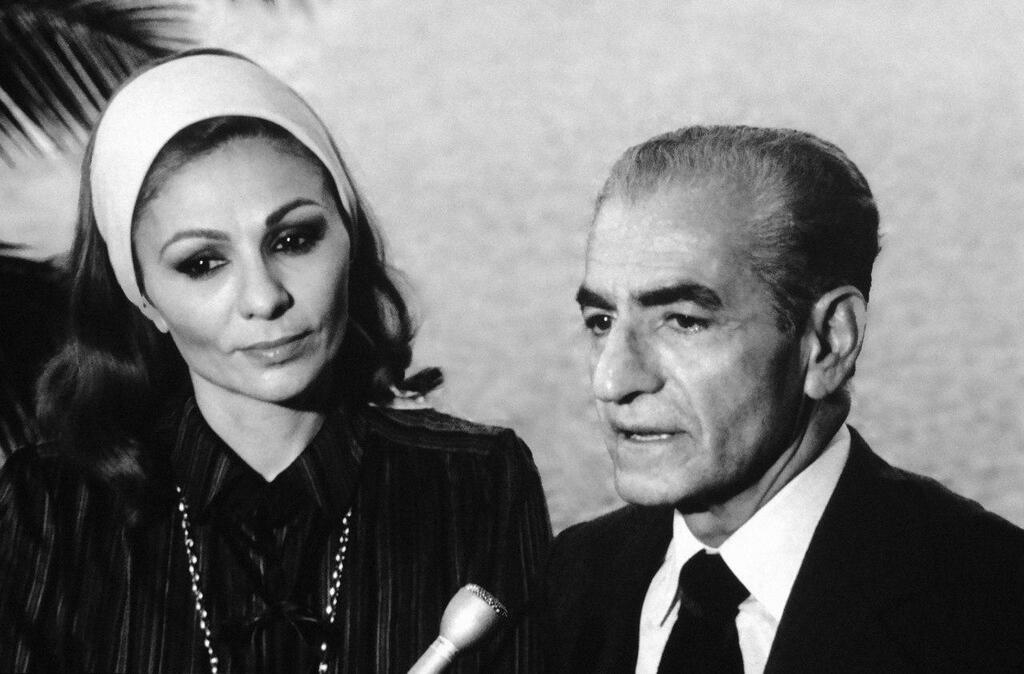

Mohammad Mosaddegh
In his place, General Fazlollah Zahedi was installed as head of a military government, paving the way for the return of Shah Mohammad Reza Pahlavi.
The coup succeeded in securing Western control over Iran’s oil for the next 26 years but it also sowed the seeds of Iran’s anti-Western doctrine. It fueled growing resentment over U.S. interference in Iranian affairs, culminating in the 1979 Islamic Revolution.
In 2013, the CIA formally acknowledged its direct involvement in planning and executing the coup, including bribing politicians and military officers and distributing propaganda to sway public opinion.
That 1953 coup stands as a double-edged sword: on one side, a model for American foreign policy aimed at replacing governments unfriendly to U.S. interests (or too friendly with the Soviets at the time); on the other, a cautionary tale. It gave many Iranians reason to support the clerical regime, believing that U.S. interests are driven more by economic and geopolitical gain than by genuine concern for Iranian citizens.
From Saddam to ISIS, from the Taliban to terror government
As U.S. President Donald Trump signals potential military coordination with Israeli strikes on Iranian targets—while stopping short of echoing Prime Minister Benjamin Netanyahu’s open calls for regime change—he likely has regional precedents in mind.
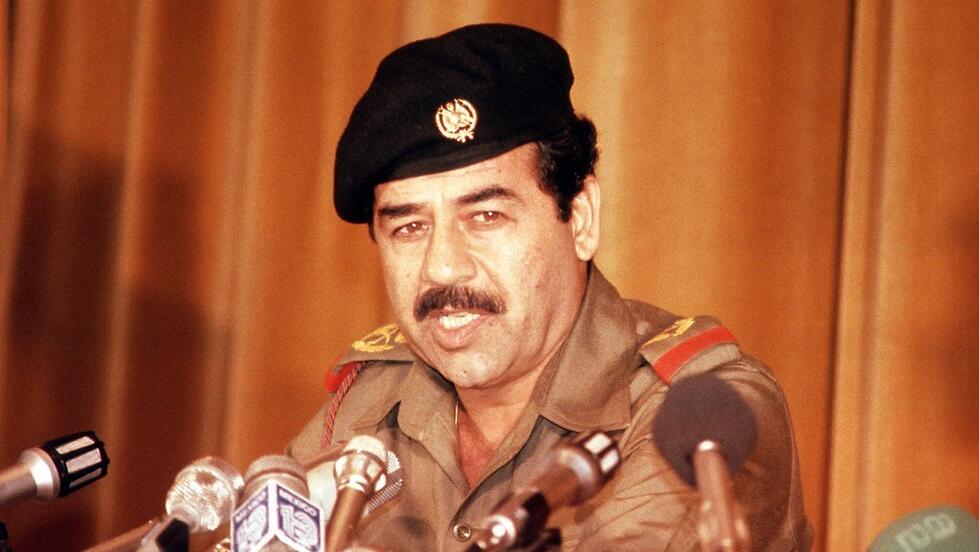
Saddam Hussein
(Photo: AP)
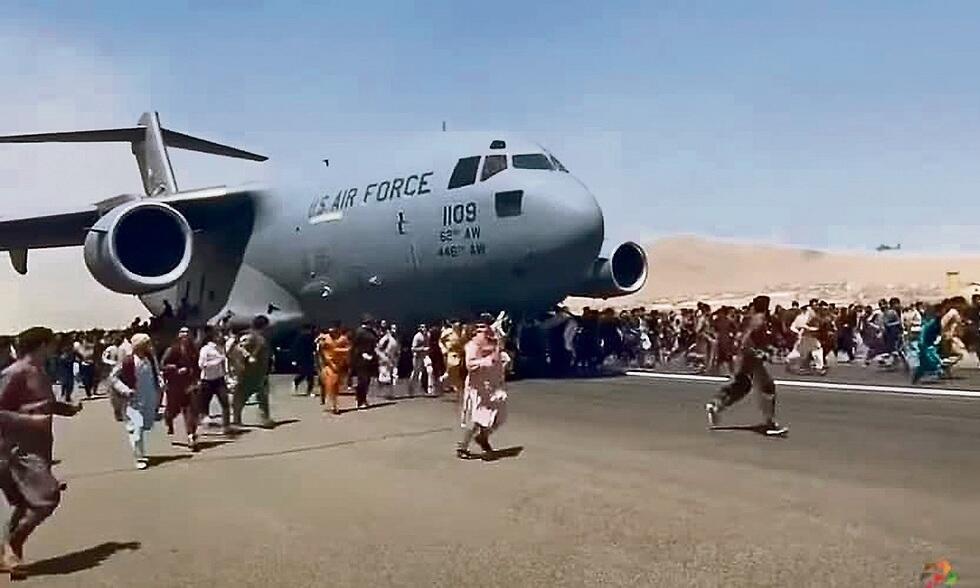
Afgahni residents trying to flee the country
(Photo: via instagram)
The U.S. spent trillions of dollars and lost thousands of lives ousting the Taliban from Afghanistan, only to see the group retake control two decades later. In Iraq, the removal of Saddam Hussein led to the rise of ISIS, which eventually forced renewed Western military involvement. Even the NATO-backed toppling of Muammar Gaddafi in Libya devolved into ongoing civil war and lawlessness.
Get the Ynetnews app on your smartphone: Google Play: https://bit.ly/4eJ37pE | Apple App Store: https://bit.ly/3ZL7iNv
These interventions have left deep anti-American sentiment among many Muslims in the region, fueled by widespread death, destruction and disillusionment. Moreover, while Western narratives often focus on the millions of Iranians presumed to be awaiting revolution, it’s important to remember that tens of millions still support the regime—and some even believe it’s not fundamentalist enough.
A violent revolution could trigger a bloody civil war, a scenario that might reinforce the Trump administration’s preference for non-interventionism.
When a regime has nothing to lose
Iran’s rulers understand well the stakes of a forced overthrow—after all, the Islamic Republic itself came to power through revolution. That history makes them more likely to respond with mass violence if they believe they’re facing imminent removal, especially if they feel they have nothing left to lose.
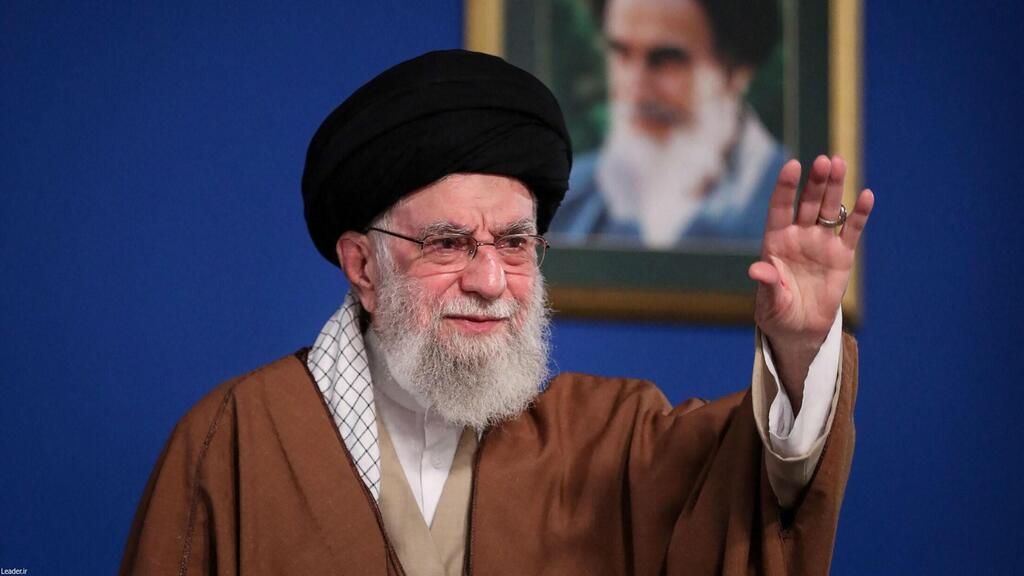
Iran's Supreme Leader Ali Khamenei
(Photo: AFP)
American interventionism isn’t limited to the Middle East. In places like Nicaragua, Haiti, Angola and Vietnam, U.S.-backed efforts to install favorable regimes often failed. Since World War II, only the democratization of Germany and Japan—nations seen as existential global threats—can be deemed lasting successes and even those came with broad Western consensus. Other regime-change operations lacked both urgency and unified support.
There may be few governments as brutal and repressive as Iran’s. Arbitrary arrests, torture, executions and widespread oppression of women, LGBTQ individuals and minorities are well-documented. Add to that its proxy terror campaigns, weapons sales to Russia and nuclear ambitions and Iran poses a genuine threat to global security and stability.
Yet history has taught Iranian citizens that toppling one regime doesn’t guarantee a better future. That sobering reality, combined with the regime’s willingness to use force, may make the Iranian public think twice before rising up.