


The New York Times reported Monday, citing two Iranian officials, that Tehran may be willing under a potential agreement with the United States to suspend or shut down its nuclear program. If confirmed, the report would mark a dramatic shift, given Iran’s continued public opposition to a complete halt of uranium enrichment in any deal with Washington.
According to the officials, the aim of such a compromise would be to ease tensions amid the threat of a U.S. strike. They added, however, that Iran still prefers an alternative proposal previously floated by the United States during failed negotiations last year, before the 12-day war and the strikes on nuclear facilities. That proposal envisioned the creation of a regional consortium to generate electricity using nuclear energy, with uranium enrichment carried out outside Iran.
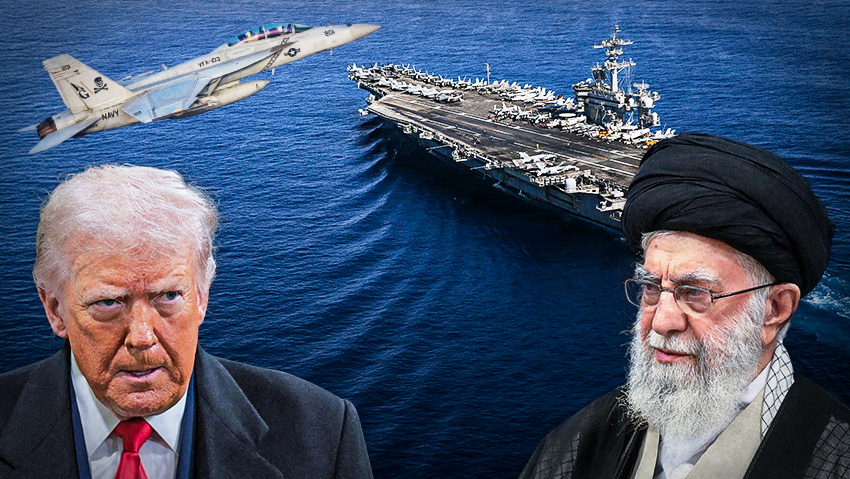


The officials told the Times that Ali Larijani, secretary of Iran’s Supreme National Security Council, conveyed a personal message from Supreme Leader Ayatollah Ali Khamenei during a meeting last week in Moscow with Russian President Vladimir Putin. Under that message, Iran would be prepared to transfer its enriched uranium to Russia, similar to arrangements under the original 2015 nuclear agreement. Kremlin spokesman Dmitry Peskov, asked about the possibility, said the issue had long been on the agenda.
The report comes ahead of expected talks on Friday between U.S. special envoy Steve Witkoff and Iranian Foreign Minister Abbas Araghchi. The two also led last year’s negotiations. Despite heightened tensions, the Iranian officials said the two remain in contact via text messages, alongside mediation efforts by diplomats from Turkey, Qatar, Oman and Iraq.
The talks are set to take place in Istanbul and, according to the Times, will be held directly between the American and Iranian delegations, unlike most meetings last year. Jared Kushner, President Donald Trump’s son-in-law, is also expected to attend, along with senior officials from Turkey, Qatar and Egypt.
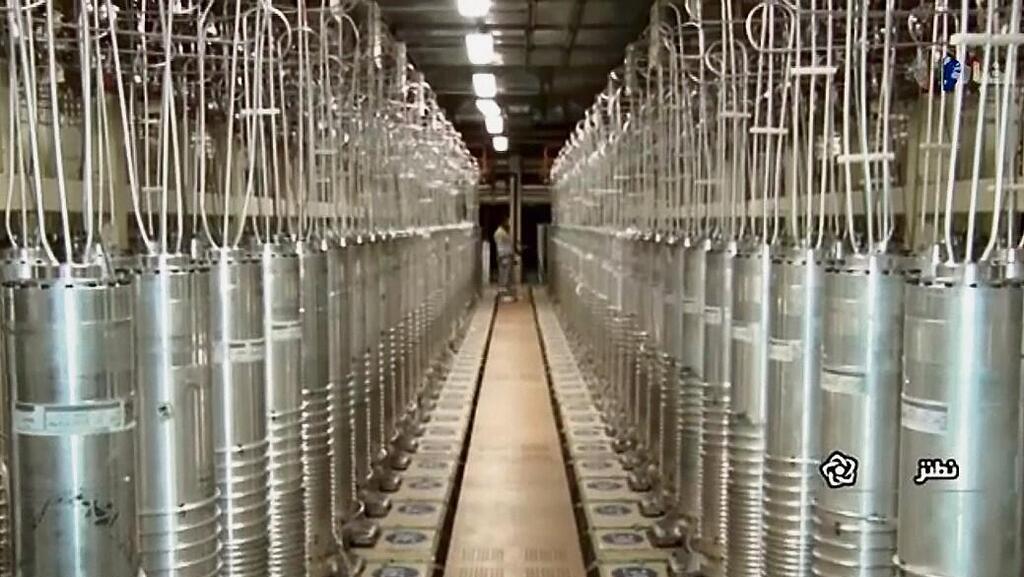
The centrifuges at Iran’s Natanz nuclear facility before they were attacked last year
(Photo: AP)
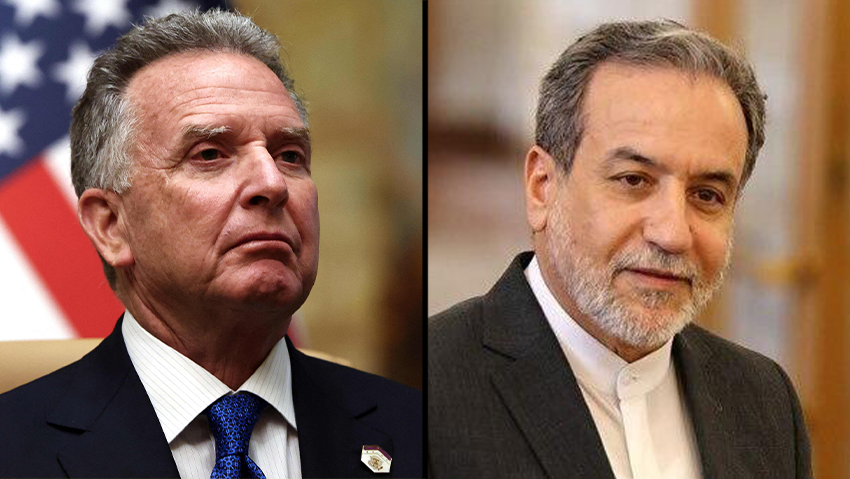
Iranian Foreign Minister Abbas Araghchi and US envoy Steve Witkoff
(Photo: REUTERS/Evelyn Hockstein/Pool )
Iran has said the discussions will focus solely on its nuclear program and has publicly rejected negotiations over its ballistic missile program. That program was heavily damaged by Israel during the 12-day war last June but has since reportedly undergone significant rehabilitation, once again posing a major threat to Israel and to U.S. forces stationed in the region.
While Trump has not publicly stated such demands, reports indicate the U.S. administration is pressing Iran not only for a complete halt to uranium enrichment, but also for limits on its ballistic missile program and an end to funding and support for its regional proxies. Araghchi, speaking to CNN on Sunday, urged Washington to avoid what he described as unattainable demands and called on the United States to seize the opportunity for a fair agreement that would ensure Iran does not obtain nuclear weapons, saying such a deal could be reached within a short time frame.
Separately, Ali Shamkhani, a senior adviser to Khamenei, said in an interview Monday with Lebanon’s Al-Mayadeen television that Iran had received proposals and that there was a chance to avert disaster if they were free of threats and included reasonable conditions. He said the discussions were still at an early stage and that limiting negotiations to the nuclear issue was a basic condition, noting that even the other side had acknowledged the nuclear file as the central focus.
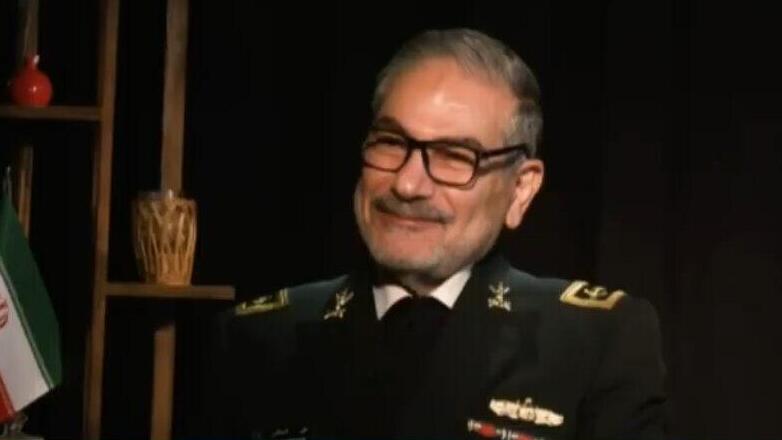
Ali Shamkhani
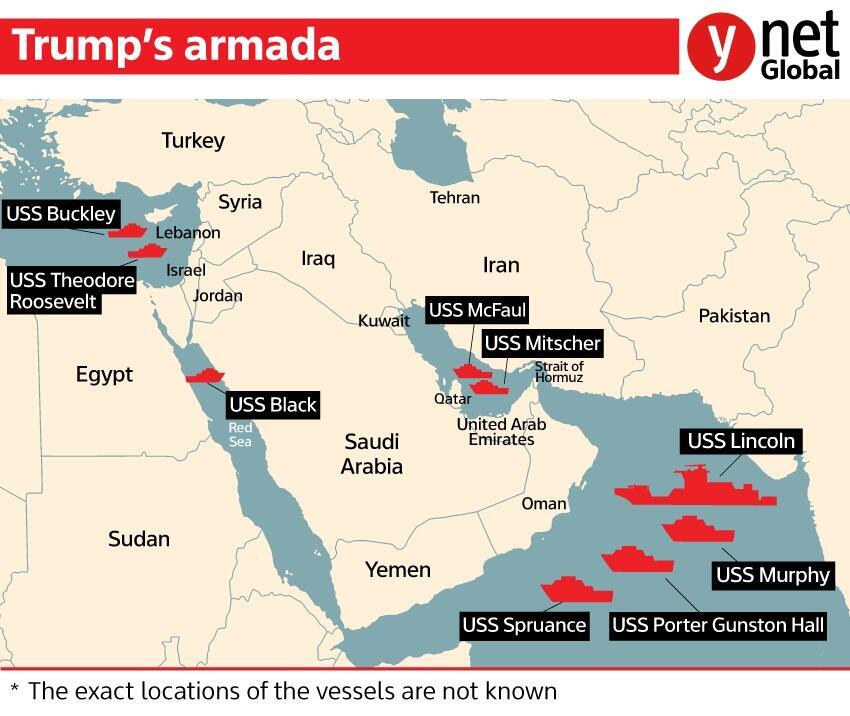
Trump's armada
Shamkhani also reiterated Iran’s warning that a U.S. attack would trigger retaliation against Israel, arguing that Washington and Israel should be seen as a single front. He said any American strike, regardless of scale, would lead to a response and could escalate into a much larger crisis.
Ahead of the Istanbul talks, Witkoff is scheduled to visit Israel on Tuesday for meetings with Prime Minister Benjamin Netanyahu and Israel Defense Forces Chief of Staff Eyal Zamir. The discussions are expected to focus on the planned negotiations with Iran, amid concerns in Jerusalem that Trump could drop demands for missile restrictions and an end to Iranian support for its proxies in favor of a narrower deal focused only on the nuclear program.
Iran’s missile program is increasingly viewed in Israel as an existential threat. Israeli officials hope the United States will insist on reducing Iran’s missile capabilities, particularly their range, arguing that such limits would significantly lessen the danger to Israel. Tehran, however, continues to refuse any discussion of the issue.
First published: 00:02, 02.03.26