

Prime Minister Benjamin Netanyahu warned Monday that Iran would face “very severe consequences” if it attacks Israel, as Iranian officials privately express growing concern that Israel could launch new military action against the Islamic Republic.
Speaking during a special Knesset debate attended by opposition leaders, Netanyahu said Israel and U.S. President Donald Trump are largely aligned on Iran and broader regional issues, following their recent meeting at Trump’s Mar-a-Lago estate in Florida.
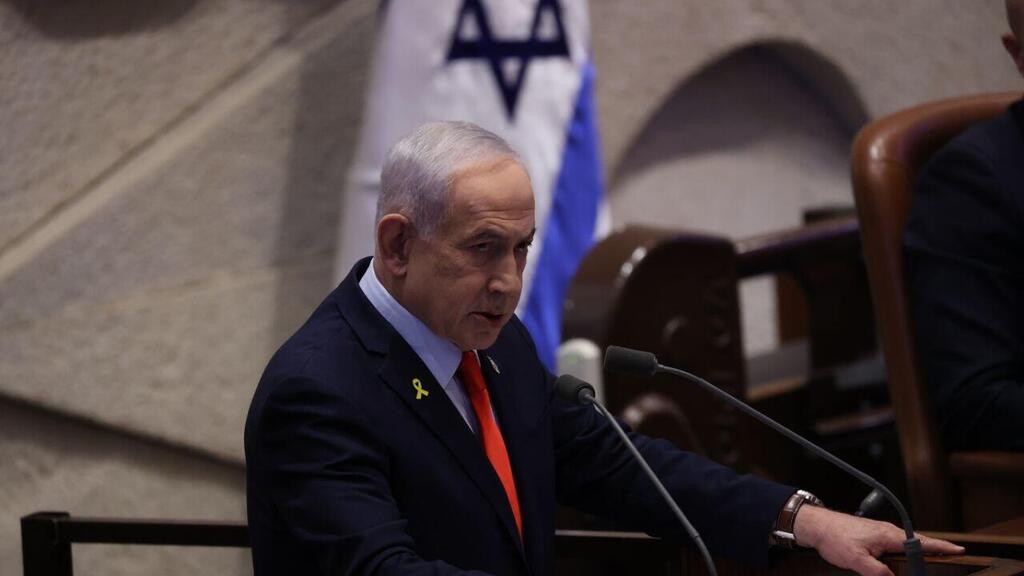
“On Iran, which pulls the strings of terror across the Middle East and beyond, President Trump and I expressed a firm position,” Netanyahu said. “We will not allow Iran to rebuild its ballistic missile industry, and certainly not to renew the nuclear program that we struck hard during Operation ‘With a Lion.’”
Netanyahu said Israel’s position remains unchanged: zero enrichment capability, removal of all enriched uranium from Iran, and strict, continuous oversight of nuclear facilities.
Referring to recent Iranian military exercises, Netanyahu added: “I made it clear that if we are attacked, the consequences for Iran will be very severe.”
He also voiced support for protests against Iran’s ruling clerics, saying Israel “identifies with the Iranian people’s struggle for freedom and justice” and suggesting the country could be approaching a decisive moment.
The prime minister said he and Trump “agree on most things,” while acknowledging limited differences of approach that are resolved “through partnership.”
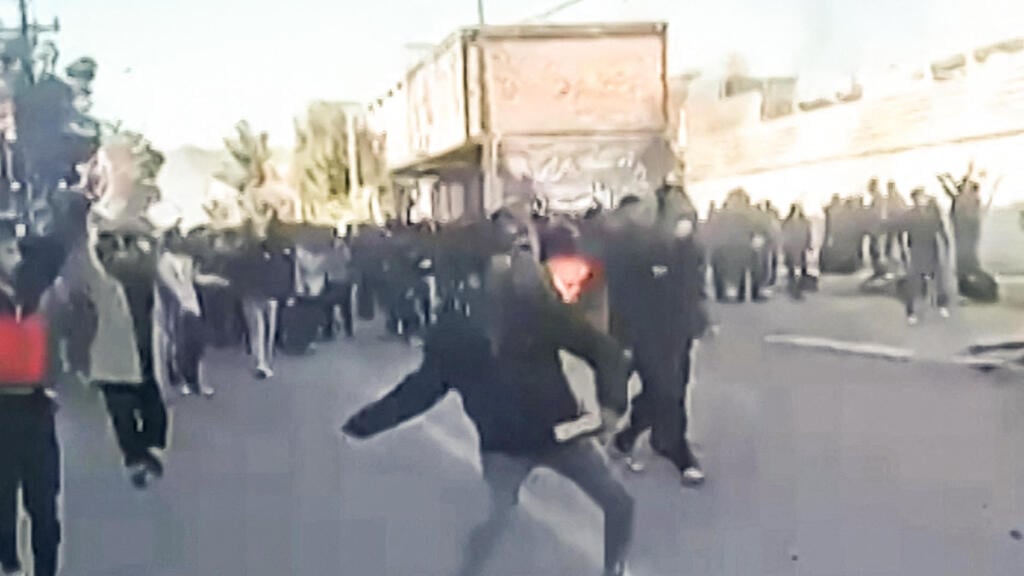
Iran protest
(Photo: AFP/ UGC/ ANONYMOUS )
Netanyahu also reiterated his support for recent U.S. action against Venezuela’s president, calling it part of a broader effort by countries that support “freedom and progress” against violent regimes.
His remarks came as Reuters reported that Iranian officials are increasingly worried Israel could strike again, amid growing anti-government protests and lingering trauma from last year’s Israeli-U.S. attacks on Iranian nuclear and military sites.
One Iranian official told Reuters that fears were mounting in Tehran that “Israel might take military action against Iran, like what they did in June.” Two other officials and a former senior Iranian official echoed that concern, saying the combination of domestic unrest and external pressure has sharply narrowed Iran’s room for maneuver.
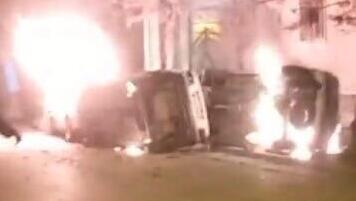
The protests, which erupted in Tehran and spread to cities in western and southern Iran, are smaller than the 2022 unrest following the death of Mahsa Amini but have expanded beyond economic grievances. Some demonstrators have chanted slogans against the Islamic Republic and Supreme Leader Ayatollah Ali Khamenei.
According to Reuters, Iranian leaders remain deeply unsettled by the precedent set by last year’s Israeli-U.S. strikes, which killed senior Revolutionary Guard commanders and targeted nuclear infrastructure. Iran’s economy, already battered by years of U.S. sanctions, has continued to deteriorate, fueling public frustration.
Iran denies Western accusations that it is pursuing nuclear weapons, insisting its nuclear program is peaceful. Negotiations with Washington have remained stalled since the June conflict.
Israeli officials have repeatedly said Israel will act militarily if necessary to prevent Iran from acquiring nuclear weapons. Netanyahu on Monday described last year’s decision to strike Iran as “the most important decision” made by his government, saying it shattered what he called the axis of evil, even if it remains active.