

Iranian President Masoud Pezeshkian used his first appearance before the United Nations General Assembly on Wednesday to condemn Israeli and U.S. strikes in June, saying they dealt “a grievous blow upon international trust and the very prospect of peace in the region.”
His remarks marked his debut on the global stage after a 12-day conflict this summer between Israel and Iran that killed several of the Islamic Republic’s top military and political leaders.
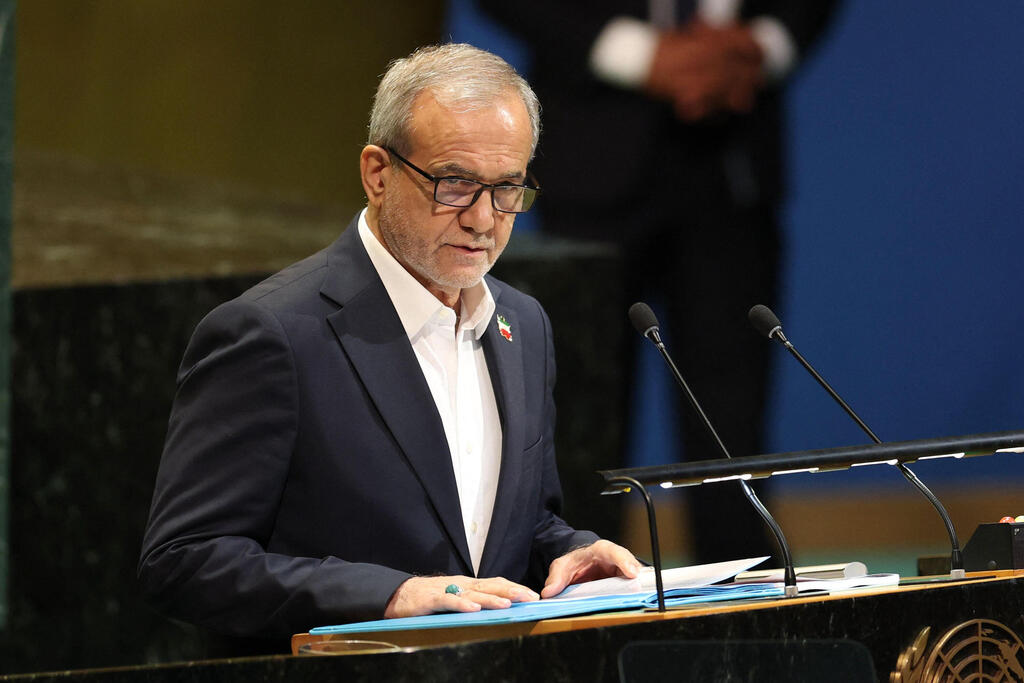
Pezeshkian’s speech comes as Tehran faces the possible reimposition of sweeping U.N. sanctions if it does not strike a deal with European nations by the weekend. Before his arrival in New York, diplomatic efforts were dealt a setback when Supreme Leader Ayatollah Ali Khamenei ruled out direct nuclear talks with the United States.
“I hereby declare once before this assembly that Iran has never and will never seek to build a nuclear bomb,” Pezeshkian said, repeating Tehran’s longstanding position that its nuclear activities are peaceful.
The president also criticized Britain, Germany and France — the so-called E3 — for triggering the “snapback” mechanism that could restore sanctions over Iran’s failure to comply with the 2015 nuclear deal, which was meant to prevent it from developing atomic weapons. He accused the countries of acting in “bad faith” since the U.S. withdrawal from the accord in 2018.
“They falsely presented themselves as parties of good standing to the agreement and they disparaged Iran’s sincere efforts as insufficient,” Pezeshkian said.
Iran’s economy reels as deadline approaches
Earlier Wednesday, Iran’s currency plunged to a record low, trading at 1,074,000 rials to the dollar just before Pezeshkian’s speech.
The drop followed Khamenei’s rejection of direct talks with Washington, which analysts say will constrain what Pezeshkian and Foreign Minister Abbas Araghchi can achieve diplomatically during their visit. The refusal also made it unlikely that last-minute negotiations with Europe could prevent sanctions from snapping back when a 30-day window closes Sunday.
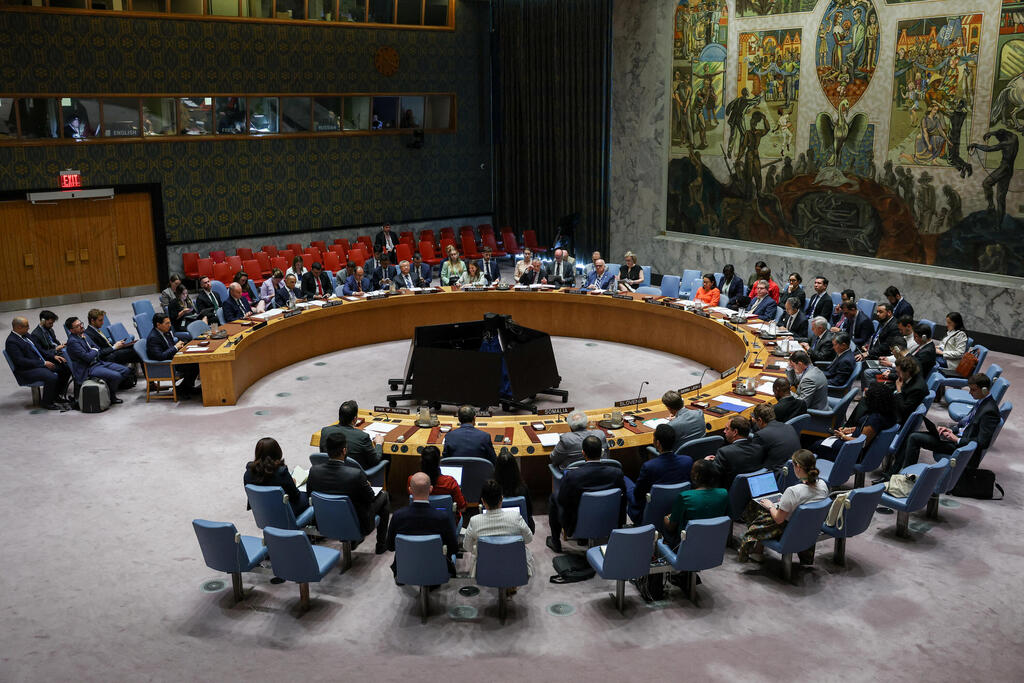
UN Security Council
(Photo: REUTERS/Kylie Cooper)
The snapback mechanism is designed to be veto-proof at the Security Council. If no agreement is reached, sanctions will resume automatically, freezing Iranian assets abroad, halting arms sales and penalizing Tehran’s ballistic missile program.
European powers have said they could extend the deadline if Iran returns to direct negotiations with the U.S., allows full access to U.N. inspectors, and explains the more than 400 kilograms (880 pounds) of highly enriched uranium it has stockpiled. Iran is the only country enriching uranium up to 60 percent without having a declared weapons program.
Tensions over nuclear program
Earlier this month, Iran and the International Atomic Energy Agency signed an agreement brokered by Egypt to restore some cooperation, including the potential resumption of inspections. But the deal has yet to take effect.
In July, Pezeshkian signed legislation suspending all cooperation with the IAEA, after Israel’s June strikes on Iranian nuclear facilities. Iran has long insisted its nuclear work is peaceful, though Western intelligence and the IAEA say Tehran ran an active weapons program until 2003.
Khamenei reiterated Tuesday that Iran does not seek atomic bombs. “We do not have a nuclear bomb and we will not have one, and we do not plan to use nuclear weapon,” he said. But he added: “Science will not be demolished by threats and bombing.”