

Someone mistakenly described the internal election in Israel’s Religious Zionist party as “primaries,” but it bore little resemblance to the open selection process of a democratic mass-membership party.
Only 130 members of the party’s Central Committee decided Sunday how Religious Zionist’s slate will look in the election for Israel’s 26th Knesset. The outcome was predictable, and it offered little sign of renewal.
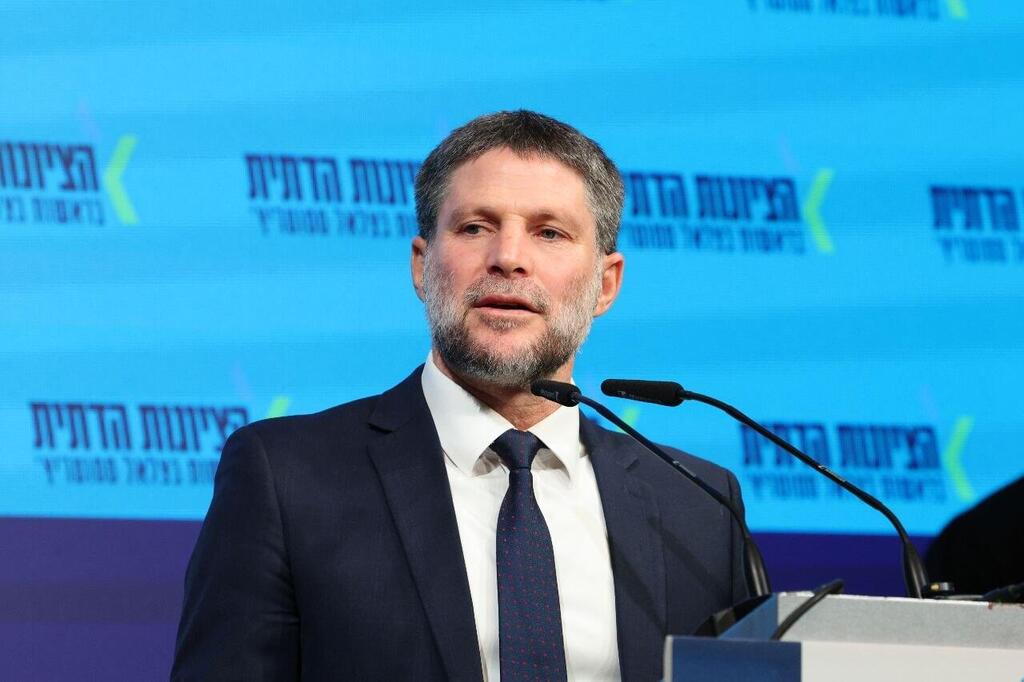
The party led by Finance Minister Bezalel Smotrich remains firmly identified with the hard-line national-religious camp known in Hebrew as Hardal, a blend of ultra-Orthodox religious conservatism and nationalist settlement ideology. It continues to move away from the more traditional, mainstream religious Zionist public.
It has not returned to being a political home for the large number of religious Zionist voters still searching for one.
If this was Smotrich’s intention, he succeeded. If not, the result represents a serious political failure that he may still try to correct through two personal appointments to the slate.
The problem is that Religious Zionist has many potential candidates but very few projected Knesset seats.
Smotrich, Minister Orit Strock and lawmaker Zvi Sukkot represent perhaps the clearest expression of the party’s Hardal and settler identity.
A slate led by politicians who campaigned for the conquest of Gaza, renewed Jewish settlement in the territory and the “voluntary migration” of Gazans is unlikely to connect with the mainstream religious Zionist public, which generally places greater emphasis on national unity and less on messianic political programs.
It is therefore unsurprising that more traditional and state-oriented religious Zionist figures, including Minister Ofir Sofer and lawmaker Moshe Solomon, withdrew from the race.
Both opposed legislation granting broad military exemptions to ultra-Orthodox men and displayed greater sensitivity toward the hostages held in Gaza.
They understood the message delivered by the party’s Central Committee: This movement is becoming more Hardal and less broadly religious Zionist.
Sofer withdrew from political life, while Solomon is searching for another political home.
A number of prominent political figures waited on the sidelines over the past week to see what kind of slate the party would produce. They included Yuli Edelstein, Ayelet Shaked, Gilad Erdan, Yoaz Hendel, Chili Tropper and retired general Ofer Winter.
The potential religious Zionist electorate is enormous, particularly since the October 7 attack.
Yet Smotrich’s party continues to struggle around Israel’s electoral threshold, sometimes polling just above it and sometimes below. That alone demonstrates that much of this public does not see his party as its natural political home.
One political source said the new Religious Zionist slate was Ofer Winter’s “political dream.”
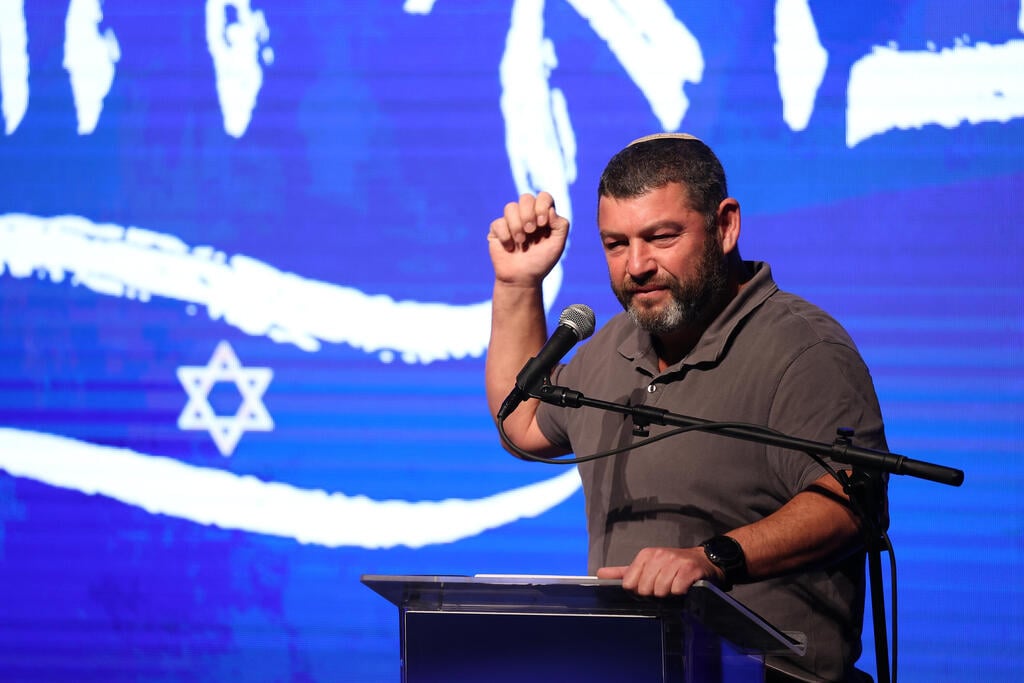
Retired general Ofer Winter
(Photo: Amit Shaabi)
Winter holds views on the far right, but he has emphasized that if he enters politics, he intends to establish a party for “Israelis,” not a party exclusively for religious voters.
“If I decide to establish a party, it will be a party that unites Israelis, with an emphasis on those who serve,” Winter recently told supporters at private political gatherings.
“A completely new political framework must be created within the right-wing camp, made up of religious and secular Israelis, just as I commanded religious and secular soldiers in the military.”
The assessment in political circles is that the Religious Zionist results could accelerate Winter’s decision to enter politics ahead of the next election.
A party that claims ownership over the name Religious Zionist should open its ranks to the full range of religious Zionist Israelis, not only the sectoral settler wing.
It should represent the religious Zionism of Petah Tikva and Givat Shmuel, not only that of Kedumim, where Smotrich lives, Yitzhar, identified with Sukkot, or Hebron, associated with Strock.
“Smotrich went all in on an entirely Hardal, West Bank-oriented slate,” a senior party politician said Monday. “They all look the same. There is no representation of the old religious Zionism.”
Smotrich is a skilled politician. Whether he intended this result or not, he understands that he must repair or refresh the slate. That is why he requested personal appointments.
The first reserved position is expected to go to Tzvika Mor, the father of Eitan Mor, who was abducted from the Nova music festival and released safely in October 2025.
The remaining question is whether Smotrich can surprise voters with another candidate who softens the slate’s overwhelmingly Hardal identity and reconnects the party with the broader religious Zionist public.
That may ultimately determine his political survival.