

A serious indictment was filed Thursday in Lod District Court against a 36-year-old homeless man accused of murdering Rabbi Amos Guetta, the head of a yeshiva in Netanya, earlier this month.
The defendant was charged with aggravated murder, aggravated assault and unlawful possession of a knife. According to the indictment, Guetta was helpless because of illness and physical disability and depended on others for his care.
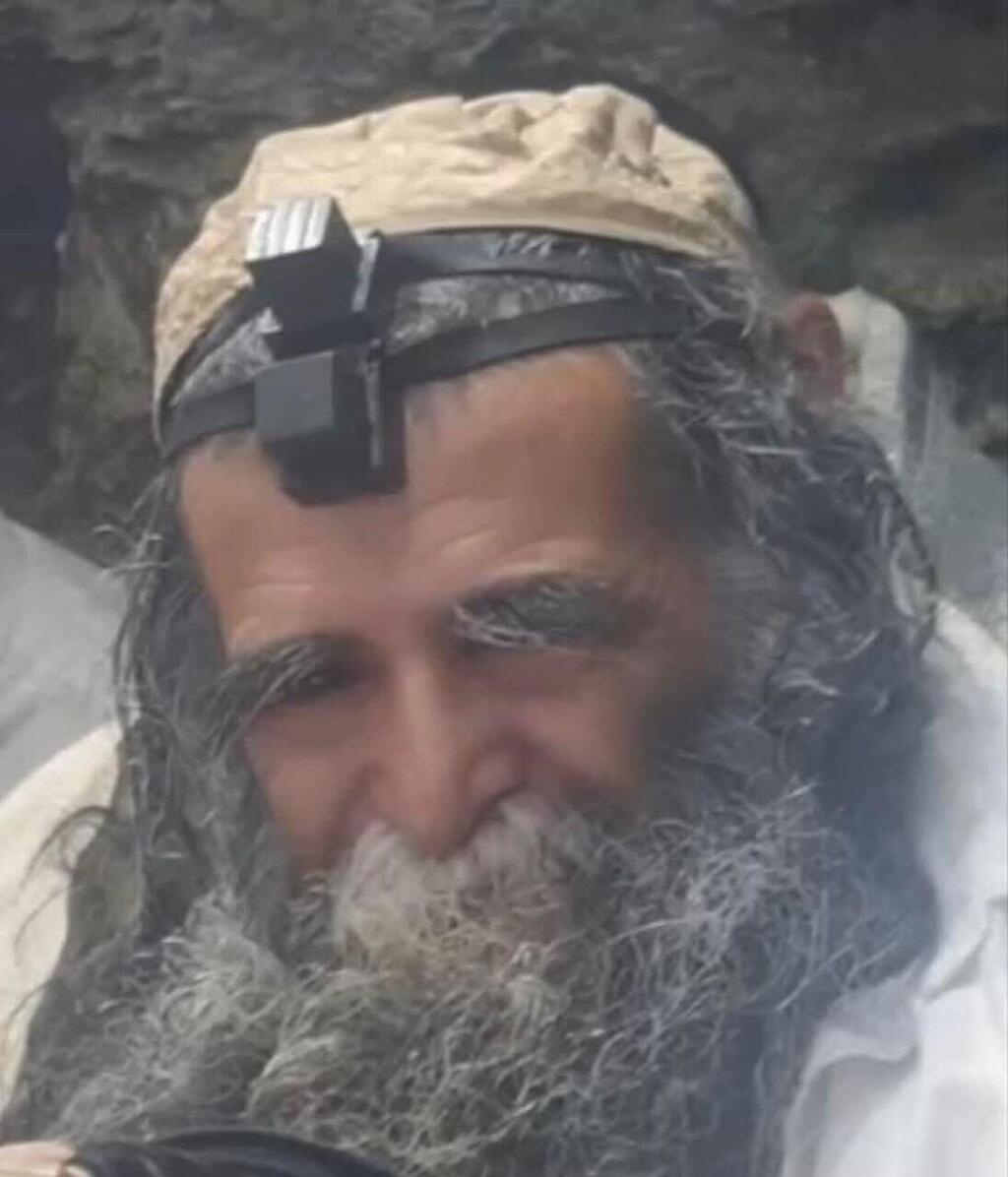
The defendant had previously joined the yeshiva and would visit from time to time. Prosecutors allege that at some point he decided to kill the prominent rabbi.
To carry out the attack, he allegedly took a knife with a 21-centimeter blade from the yeshiva kitchen, concealed it in his pants beneath his shirt and arrived at the rabbi’s home in the early morning hours of July 1. According to the indictment, Guetta’s caregiver, Yaakov Mizrahi, was beside him at the time.
The defendant asked to enter the room, claiming that he wanted to pray beside the rabbi. Mizrahi initially refused because he did not want to disturb Guetta’s rest, but after the defendant persisted, he allowed him inside to recite one chapter of Psalms.
Prosecutors allege that the defendant falsely pretended that he intended to pray, stood at the foot of the bed and murmured a prayer for several seconds before suddenly pulling out the knife. He then allegedly stabbed Guetta forcefully between the chest and abdomen with the intention of killing him.
When Mizrahi saw what was happening, he shouted, tried to grab the defendant’s hand and struggled with him in an attempt to stop the attack. The indictment says Mizrahi was injured in the hand during the struggle, but the defendant nevertheless continued and stabbed the rabbi three more times in the abdomen.
After the knife fell from his hand, he allegedly fled, leaving Guetta critically wounded and lying in a pool of blood. The indictment further states that Mizrahi chased him as far as the front door. The defendant turned toward him, raised his fists in a threatening gesture and only then fled.
From gestures to curses and threats
The defendant was questioned four times. During his first interrogation, he refused to speak. The questioning was therefore conducted through hand and head gestures, as well as by marking letters on a wall. When the investigator read them aloud, the defendant confirmed the letters and words that had been spelled.
During that interrogation, he admitted stabbing Guetta, provided details known only to the perpetrator and claimed that he had attacked him because “inside his liver is the angel Samael Iblis.”
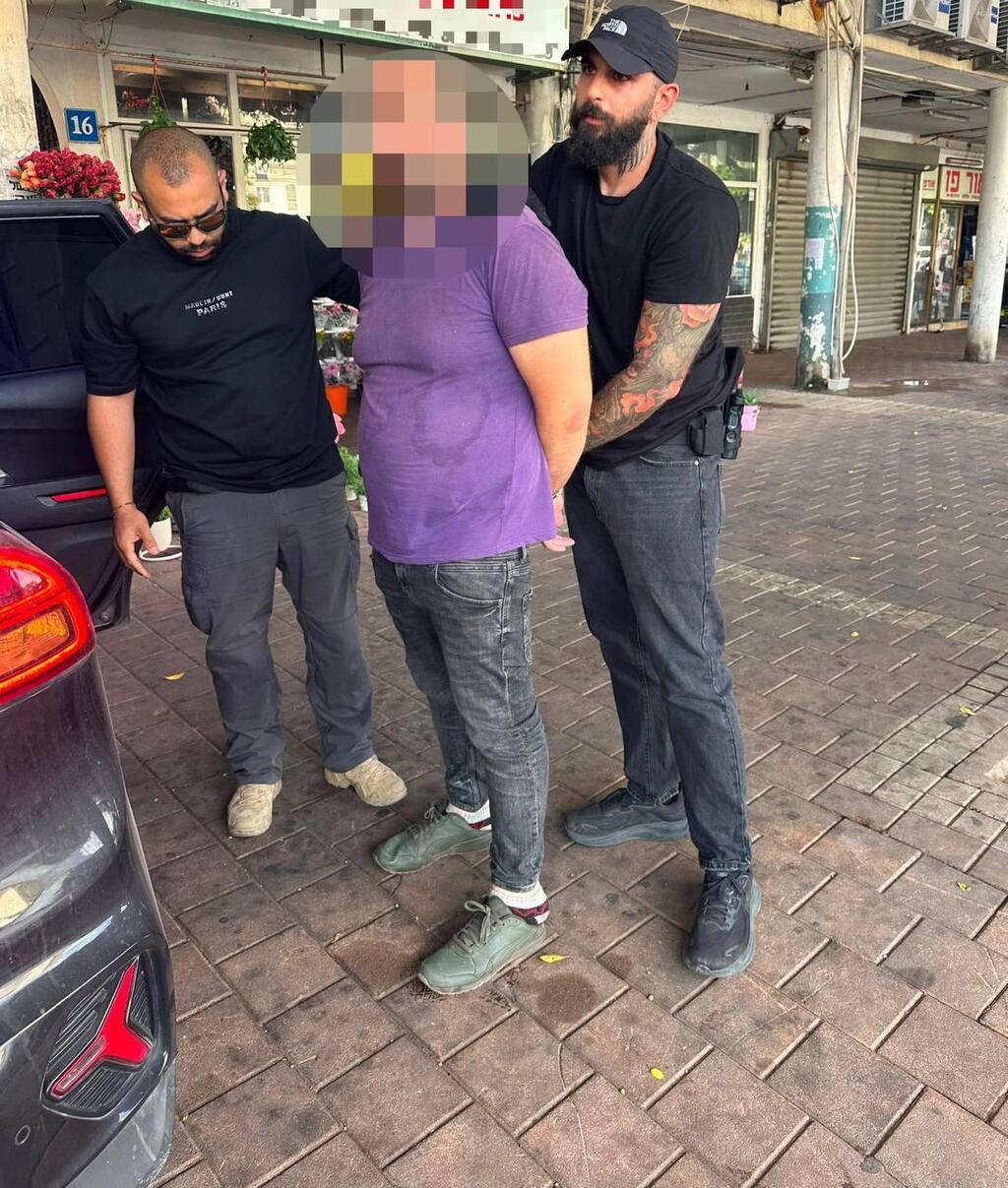
The arrest of the homeless man in Netanya
(Photo: Israel Police)
During his second interrogation, he exercised his right to remain silent. In the third, he refused to answer most substantive questions about the killing. He repeatedly said that “the person sitting in front of you is one big schizophrenic” and demanded that investigators change the subject.
However, when the investigator repeated the allegations, the defendant corrected him and confirmed that he had stabbed the rabbi four times at 5:30 a.m. before fleeing. He denied injuring the caregiver. During that interrogation, the defendant called Guetta “crap” and claimed that he was a “false messiah.”
He also responded irrelevantly to most questions during his fourth interrogation. At one point, however, he complained that the questioning was continuing even though he had already admitted the stabbings. He asked whether the rabbi had died from the wounds and provided additional details known only to the perpetrator.
When asked whether he regretted his actions, he replied that he “regretted not tearing out the rabbi’s main artery with his teeth, putting his fingers into his eyes and blinding him, removing his testicles and tongue from his body and devouring them,” because, he said, “the man acts as though he is very important.”
Alongside the indictment, the prosecution asked the court to keep the 36-year-old in custody until the end of the proceedings.
The state said it had prima facie evidence against him, including testimony from the caregiver, who identified the defendant; admissions he made during some of his interrogations; DNA findings from the knife; and security camera footage documenting his arrival at the yeshiva and his escape.
Guetta, 75, ran a well-known yeshiva in Netanya and received many students there. His study hall drew students as well as people seeking personal or financial assistance. Among those who came to him were newly religious Jews, teenagers who had dropped out of educational frameworks and people with criminal backgrounds who found in him an accepting address and a community structure.
Rabbi Kalman Meir Ber, a Netanya resident who served as the city’s chief rabbi until about two years ago and now serves as Israel’s Ashkenazi chief rabbi and president of the Chief Rabbinate Council, eulogized Guetta after his death.
“Rabbi Amos, of blessed memory, was a unique and exemplary figure in the city,” he said. “For decades of spiritual leadership, he served as a lighthouse and a central address for the city’s many residents, who came to his door every day seeking blessings, wise counsel and guidance.
“He combined the revealed and hidden dimensions of Torah and possessed extraordinary knowledge of its deepest teachings, alongside immense acts of kindness and a passionate, inspiring service of God.
“May the One who comforts heal the terrible fracture that has struck us, bring relief and consolation to his family and students, and may we soon witness the consolation of Zion and the rebuilding of Jerusalem. May violence no longer be heard in our land, nor destruction and ruin within our borders.”