


A major shake-up is underway in Israel’s ultra-Orthodox political leadership following the failure to pass a law exempting Haredi men from military service. Thirty-eight years after he was first elected to the Knesset, Degel HaTorah chairman Moshe Gafni will be left off the party’s election slate, along with another longtime lawmaker, Uri Maklev.
MK Yaakov Asher will become the party’s new chairman and will also head the broader United Torah Judaism alliance.
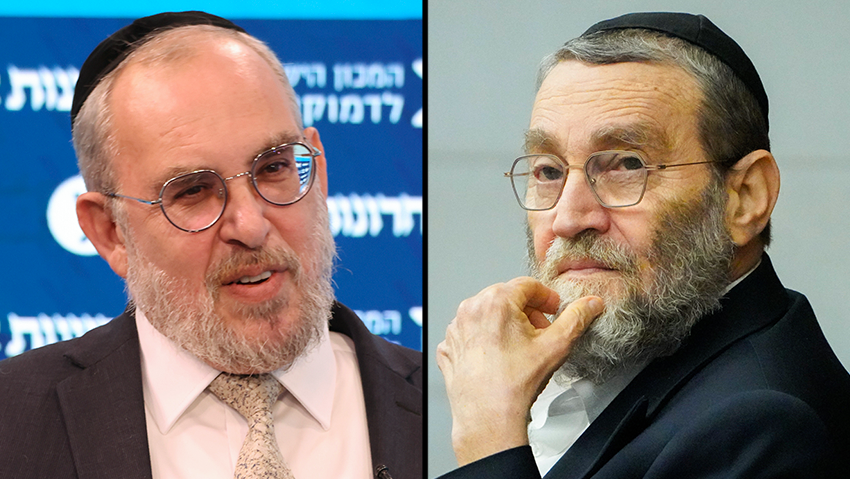
Asher, a former mayor of Bnei Brak, was considered a regular visitor to the homes of leading rabbis, most notably the late Rabbi Aharon Leib Shteinman, the former leader of the Lithuanian Haredi community. Shteinman’s grandson, David Shapira, is now a powerful figure in the household of Rabbi Dov Landau, the community’s current spiritual leader, and Asher is also regarded there as a close and loyal ally.
In recent months, figures in Rabbi Landau’s circle have sought to refresh the party slate, partly because of the failure to pass the draft exemption law and a desire to present voters with new faces. There was also an effort to place lawmakers seen as more loyal to Rabbi Landau’s household in realistic positions, thereby expanding its influence within the faction.
Party rabbis ultimately decided to part ways with Gafni, who has chaired the Knesset Finance Committee for more than a decade and was first elected to parliament in 1988, serving almost continuously ever since. Maklev, first elected in 2008, will also be left off the slate despite being highly regarded within the ultra-Orthodox community.
The change marks the end of an era for Gafni, one of the most recognizable figures in Haredi politics and a central player in coalition negotiations and budget battles for decades.
United Torah Judaism is a joint list made up of the Hasidic Agudat Yisrael faction and the Lithuanian Degel HaTorah faction. Leadership of the alliance rotates between the two components. This time it is Degel HaTorah’s turn to lead, meaning Asher will chair United Torah Judaism as well as Degel HaTorah.
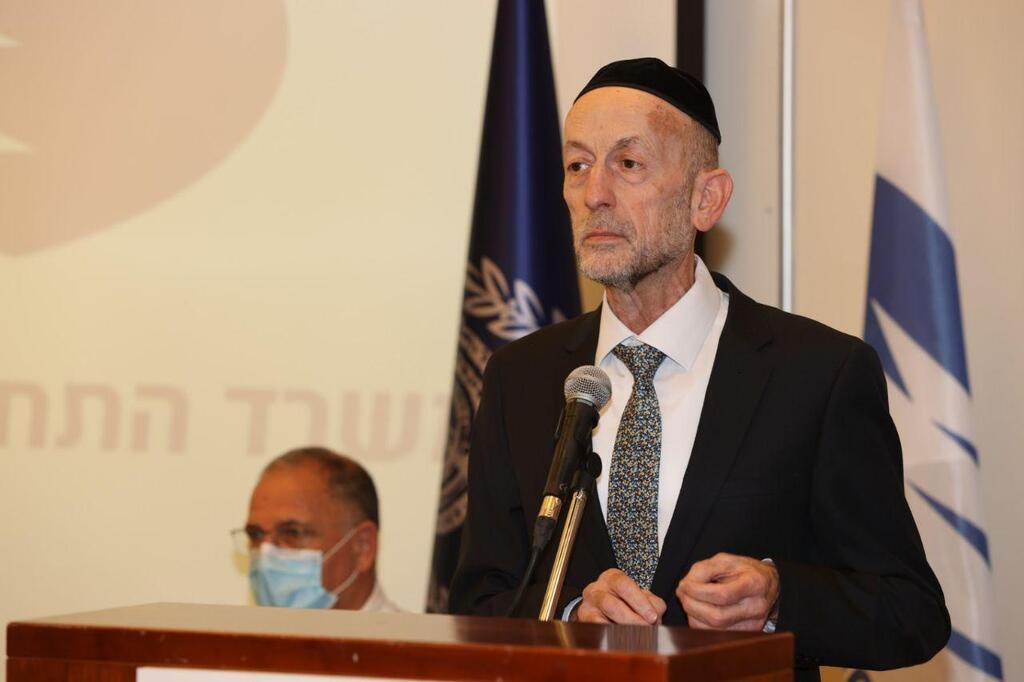
Uri Maklev
(Photo: Amit Shabi)
In negotiations between the two factions, Degel HaTorah has also demanded that, for the first time, one of its representatives receive a full ministerial portfolio. Until now, the party has avoided ministerial posts for ideological reasons, preferring committee chairmanships and deputy minister positions.
If that demand is accepted and United Torah Judaism joins the next coalition, Asher is expected to become the first Degel HaTorah representative to serve as a government minister.
Ynet reported this week that, alongside the removal of Gafni and Maklev, the party is considering several new candidates, including Bnei Brak Deputy Mayor Menachem Shapira, Modi’in Illit Mayor Yaakov Guterman, Jerusalem Deputy Mayor Lazer Rauchberger and Miki Alper, head of Degel HaTorah’s faction in Haifa.
Other names under consideration include Beitar Illit Deputy Mayor Dudi Zaltz, Rabbi Moshe Rosenthal, head of the Bnei Brak municipality’s education administration, and Moishi Zaloshinsky, deputy head of Jerusalem’s religious council.