


Israel and Syria are set to resume U.S.-mediated negotiations in Paris on Monday and Tuesday aimed at a security arrangement, after talks stalled for more than two months amid wide gaps that previously prevented an agreement despite American pressure.
Officials on both sides stress the discussions are focused on a security framework, not normalization of relations, which they say could be addressed later, if at all.
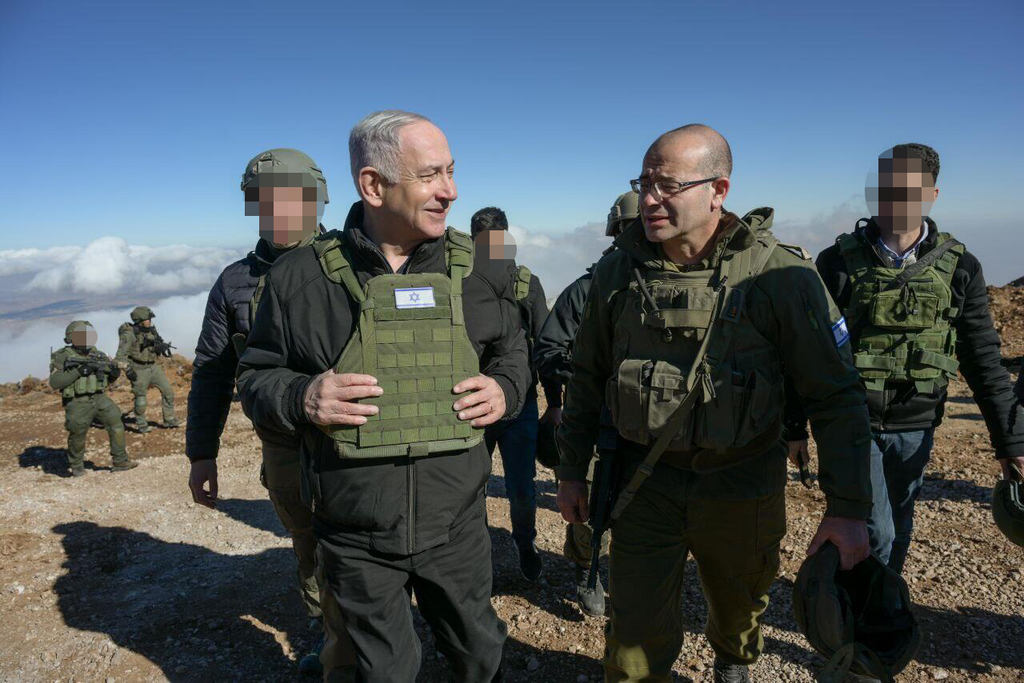
Israel currently maintains positions at several strategic points inside Syria, including in the Mount Hermon area. Damascus is demanding a full Israeli withdrawal to the border line. Israel, citing security concerns, is unwilling to withdraw immediately and is seeking a phased process, along with the demilitarization of southern Syria extending nearly to Damascus — a demand widely seen as unacceptable to the Syrian leadership.
Jerusalem is also pressing Damascus to prevent a Turkish military buildup in Syria. While Syrian officials are unlikely to formally commit to such a provision, there is some expectation that informal understandings could be reached.
Another Israeli demand involves secure passage from the border to the Druze Mountain region, as part of guarantees for the safety of the Druze community. Such a corridor would extend roughly 100 kilometers (60 miles) into Syrian territory, a condition Syria is also unlikely to accept.
At the core of the talks is not an alliance but what officials describe as a security coordination agreement or a similar mechanism. Some analysts say such an arrangement could be within reach if both sides demonstrate genuine political will. Syria’s expectation is that any agreement would ultimately lead to a return to the border line and to the framework of the 1974 disengagement accord.
Israel, however, is seeking commitments beyond that agreement, including the absence of heavy weapons in southern Syria and no Turkish military presence anywhere in the country. Israeli officials argue that allowing Turkey to deploy aircraft or radar systems in Syria would effectively turn the country into a forward base for Ankara and create a major security challenge.
The decision to renew talks was made during a meeting last week between Prime Minister Benjamin Netanyahu and U.S. President Donald Trump at Trump’s Mar-a-Lago estate in Florida. Netanyahu said at the time that Israel’s interest is to have a peaceful border with Syria.
“We want to make sure the border next to us is secure, without terrorists, and to guarantee the safety of Druze and Christians there and across the Middle East, including in Nigeria,” Netanyahu said.
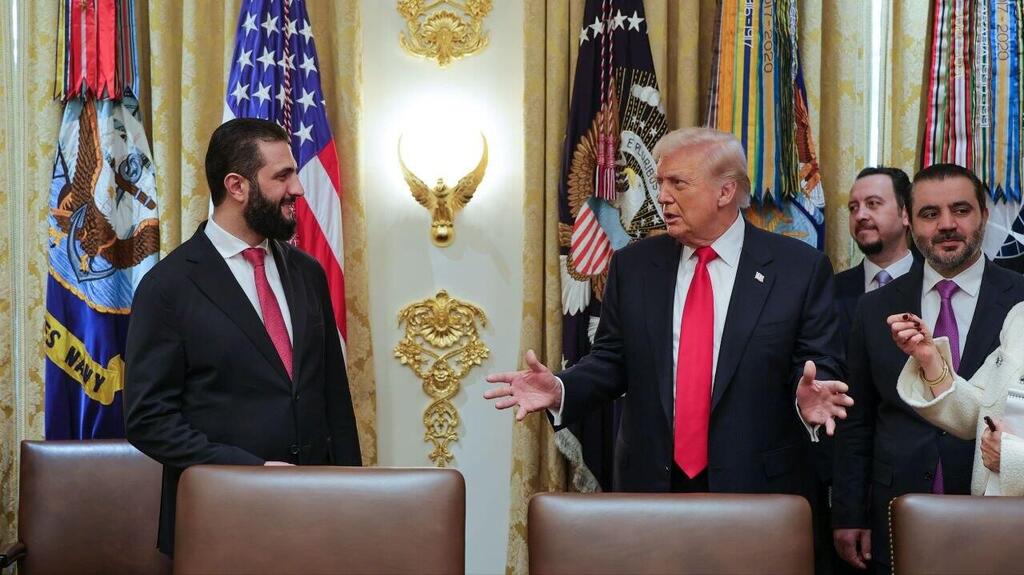
Syrian President Ahmad al-Sharaa and US president Donald Trump
Trump said he was confident Netanyahu and Syrian leader Ahmad al-Sharaa could reach an understanding. Praising al-Sharaa, Trump said that while he was not “a choirboy,” he was “a tough guy — and in this region, that’s what you need to be to survive.”
Israel’s delegation includes the prime minister’s military secretary and nominee to head the Mossad, Roman Gofman; Ambassador to Washington Yechiel Leiter; and acting National Security Council head Gil Reich. Netanyahu decided there would be no single head of delegation, with Gofman handling security issues, Leiter overseeing ties with the United States and Reich responsible for diplomatic coordination. Syria is represented by Foreign Minister Asaad Hassan al-Shibani. The talks are being mediated by U.S. envoy Tom Barrack.
Not all experts are optimistic. Eyal Zisser, a professor and specialist on Syria and Lebanon, said that while dialogue is preferable to escalation, he doubts Israel currently has a clear policy or genuine desire to reach an agreement.
“There are too many contradictory voices,” Zisser said, pointing to calls within Israel to eliminate al-Sharaa, proposals to dismantle Syria and grant autonomy to minorities, and a security establishment that believes continued military presence and strikes are the only way to ensure calm.
Zisser said the gaps remain deep, particularly over Israeli withdrawal, the status of the Druze community and the demand to demilitarize southern Syria. He also questioned what demilitarization would mean in practice, noting that Syria’s military capabilities are already limited and that existing arrangements are outlined in the 1974 agreement.
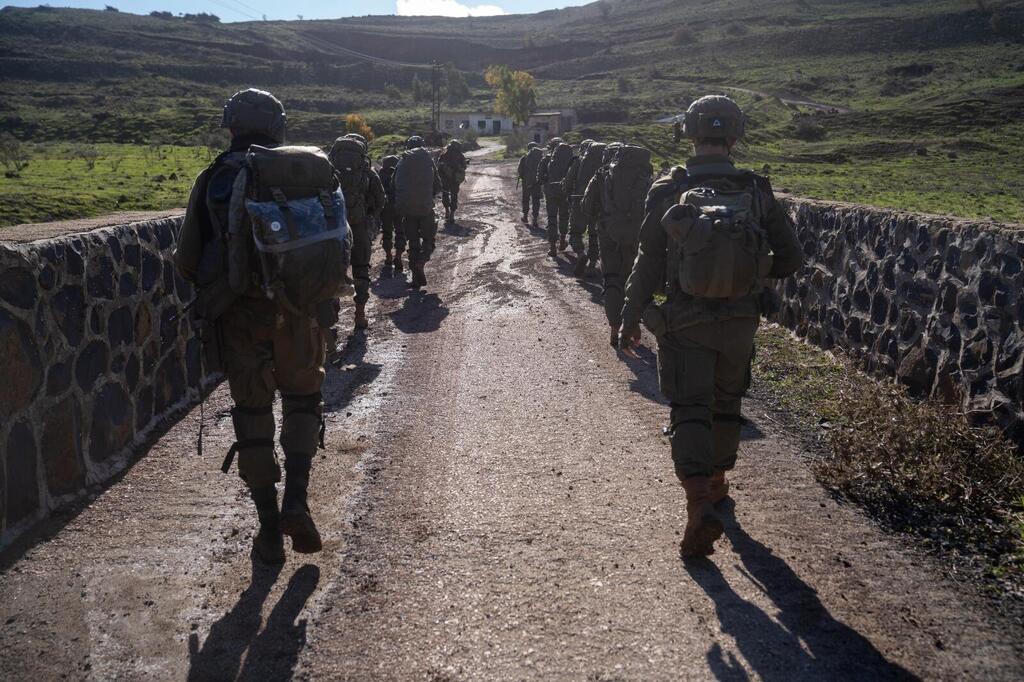
IDF troops in Syria
(Photo: IDF)
On foreign forces, Zisser said Syria shares Israel’s opposition to Iranian influence, but Turkey is a different matter. “No Syrian government would formally sign an agreement barring Turkish presence,” he said, adding that only informal understandings might be possible, likely with U.S. involvement.
Zisser also said normalization with Syria is unlikely without broader progress in the Arab world, particularly with Saudi Arabia.
“If the talks reach a dead end, the United States may try to bridge the gaps,” he said. “But at this stage, it appears the sides are talking largely because Washington wants them to. It may well continue without producing results.”
Syrian officials, including al-Sharaa and al-Shibani, have repeatedly voiced frustration over Israeli strikes and its presence inside Syria. Speaking at the Doha Forum in early December, al-Sharaa accused Israel of exporting its crises abroad to deflect from the war in Gaza and said Syria had responded with positive messages aimed at regional stability only to face what he described as “extreme violence.”
He claimed Syria had been subjected to more than 1,000 airstrikes and 400 incursions since its “liberation,” and said Damascus was working with influential countries to pressure Israel to withdraw from territory it entered after Dec. 8, 2024. Al-Sharaa said Syria insists on Israel’s commitment to the 1974 agreement and that any future deal must safeguard Syrian interests.