

As wounded anti-government protesters streamed into an Iranian hospital during last month’s crackdown, a young doctor rushed to the emergency room to help treat a man in his 40s who had been shot in the head at close range.
As he and other staff began resuscitation efforts, a group of armed security agents in civilian clothing blocked their path and pushed some of them back with their weapons.

“They surrounded us and would not let us move forward,” the doctor from the northern city of Rasht told The Associated Press.
Minutes later, the protester died. Security agents placed his body in a black bag. Later, according to testimony, they piled it together with other bodies in the back of a van and drove away.
Doctors and rights groups say the episode was not isolated.
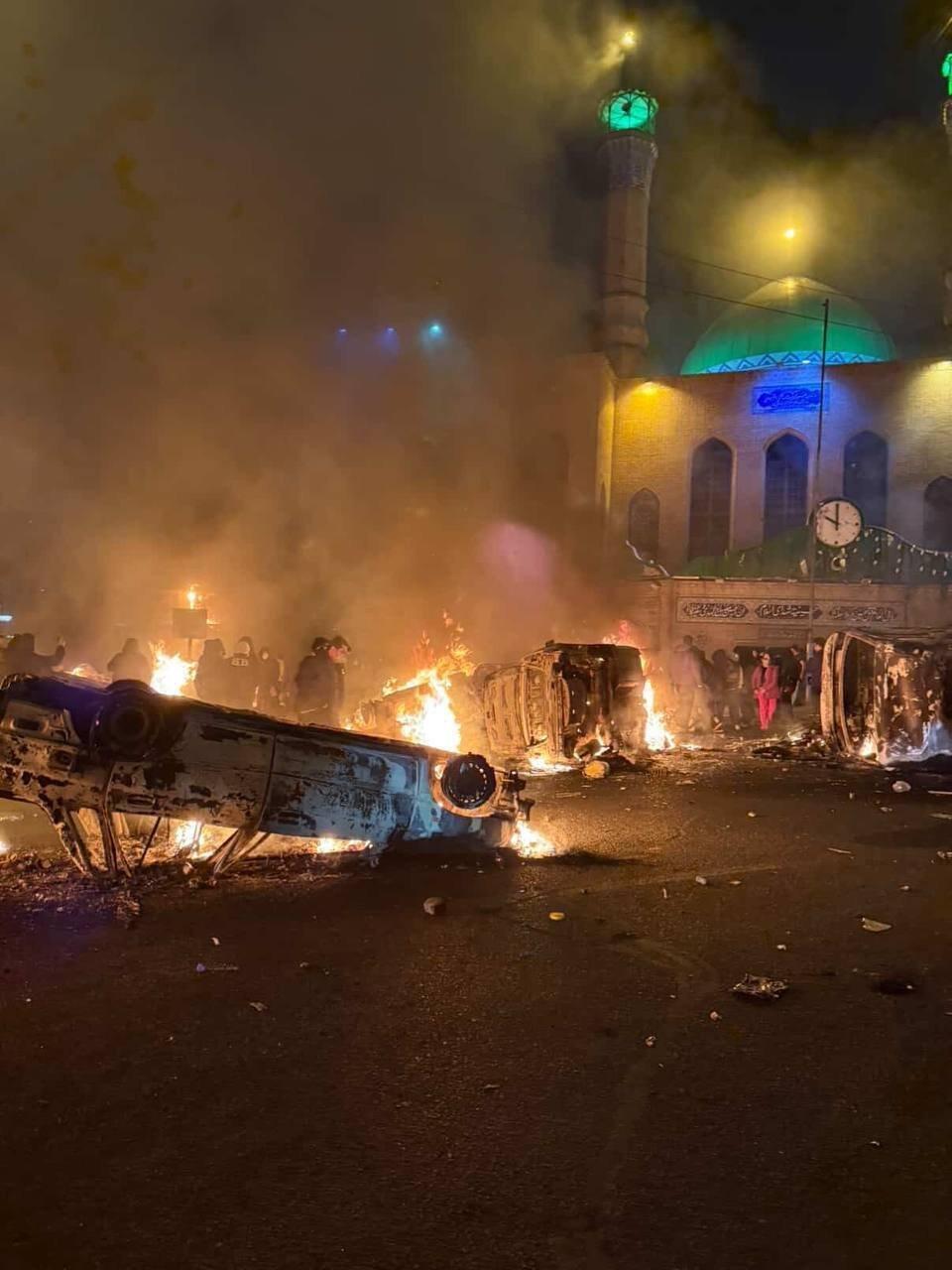
Over several days in early January, security forces raided hospitals in multiple cities where thousands of people were being treated for gunshot wounds sustained during the suppression of mass protests. Agents monitored the treatment of wounded demonstrators, intimidated medical staff and removed bodies in bags. Dozens of doctors were arrested.
The AP report is based on interviews with three doctors inside Iran and six Iranian medical professionals abroad who remain in contact with colleagues in the country. It also draws on reports by human rights organizations and verified social media videos.
Tehran
Those interviewed described an unprecedented level of militarization and brutality inside medical institutions in a country that has experienced decades of political repression.
The Oslo-based group Iran Human Rights documented numerous cases of security agents preventing medical treatment, disconnecting patients from ventilators, harassing doctors and arresting injured protesters inside hospitals.
Iranian denial
Hosseini Kermanpour, spokesperson for Iran’s Health Ministry, denied the reports, calling claims of blocked treatment or removal of protesters from hospitals “false and fundamentally impossible.” He was quoted in Iranian media as saying all injured individuals were treated “without discrimination or political interference.”
The January crackdown, which peaked on January 8 and 9, was described by rights groups as the deadliest unrest since the 1979 Islamic Revolution. The HRANA news agency said it had verified more than 7,000 deaths and was investigating thousands more cases. Authorities in Tehran have acknowledged more than 3,000 deaths linked to the protests.
The doctor from Rasht said he worked through what he called “66 hours of hell” once the crackdown began.
“Every day I moved to a different facility to help with the wounded,” he said. “Armed agents followed the treatment of injured protesters, and when it was time to discharge a patient, they would take anyone identified as a demonstrator. We tried to hide the wounded. We knew that no matter what we did for them, they would not be safe once they left the hospital.”
The AP report focused on events at four hospitals. The Berlin-based organization Mnemonic, which tracks human rights violations, collected dozens of videos and testimonies it said showed security forces inside and around nine hospitals, in some cases firing live ammunition and deploying tear gas. One video shows armed agents storming a hospital in the city of Ilam.
On the night of January 8, a 37-year-old general surgeon received an urgent call from an ophthalmologist colleague. She gave him an address. When he arrived at what was supposed to be a cosmetic clinic, he found the lobby converted into a trauma ward, with more than 30 wounded men, women, children and elderly people lying on sofas and a blood-covered floor.
The surgeon said he stayed nearly four days and treated more than 90 people. Initially, the team consisted of the ophthalmologist, a dentist and two nurses. Eventually he called in three more doctors. They used cardboard boxes and pieces of metal as makeshift splints for broken bones. Treatment was carried out without anesthesia or strong painkillers.
They could not transfer the wounded to hospitals for fear they would be arrested.
In one case, a man in his 20s arrived with a gunshot wound to his elbow. The surgeon said amputation would be required. “A family of four — father, mother and their 8- and 10-year-old children — were riddled with bullets,” he said.
On the morning of January 9, he contacted trusted doctors to refer patients for further care. To protect them, he wrote in referral letters that they had been injured in car accidents and ensured bullets were removed from their bodies before transfer, fearing arrest if evidence remained.
Doctors interviewed by AP said the memory of those days still haunts them, describing a healthcare system turned into an extension of the security apparatus during one of the most violent crackdowns in Iran’s recent history.