


The Knesset Constitution Committee, chaired by MK Simcha Rothman of the Religious Zionism party, convened Monday morning to discuss a series of legislative amendments being advanced by Central Elections Committee Director General Din Livneh ahead of the next election. Among them is a proposal to place ballot stations in nursing homes, a move that has drawn opposition from coalition members who fear it could benefit Avigdor Liberman’s Yisrael Beytenu party. Rothman, meanwhile, proposed allowing national service volunteers serving abroad to vote through Israeli diplomatic missions, a measure opposed by the opposition.
During the discussion, Rothman said he wanted election-related amendments to be advanced only with the agreement of both coalition and opposition parties, and that proposals lacking broad consensus would not move forward. His initiative to allow national service volunteers abroad to vote would affect an estimated 150 to 250 voters.
Gallery
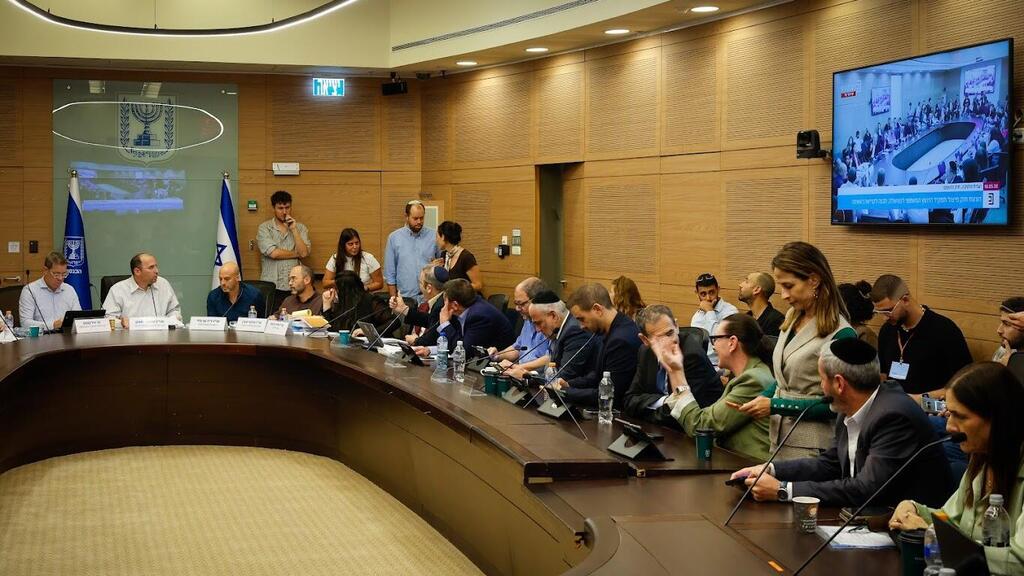
The Constitution, Law and Justice Committee; archive
(Photo: Noam Moskowitz, Knesset Spokesperson’s Office)
Another controversial proposal is the Elections Committee’s plan to place ballot stations in nursing homes, assisted-living facilities and housing complexes for elderly immigrants. The measure was approved as a temporary provision during the coronavirus pandemic and remained in effect through the last election. However, coalition lawmakers oppose making it permanent, arguing it would electorally benefit Liberman and that residents of non-nursing-care retirement facilities generally belong to a higher socioeconomic demographic that tends to support opposition parties.
The proposal does not apply to nursing-care patients. Under existing rules, nursing-home wards with at least 50 patients are classified as hospitals and receive ballot stations regardless. Under the proposed legislation, ballot stations would be placed in assisted-living facilities, Housing Ministry nursing homes for low-income residents and public housing complexes for elderly immigrants who remain eligible to live there after retirement age.
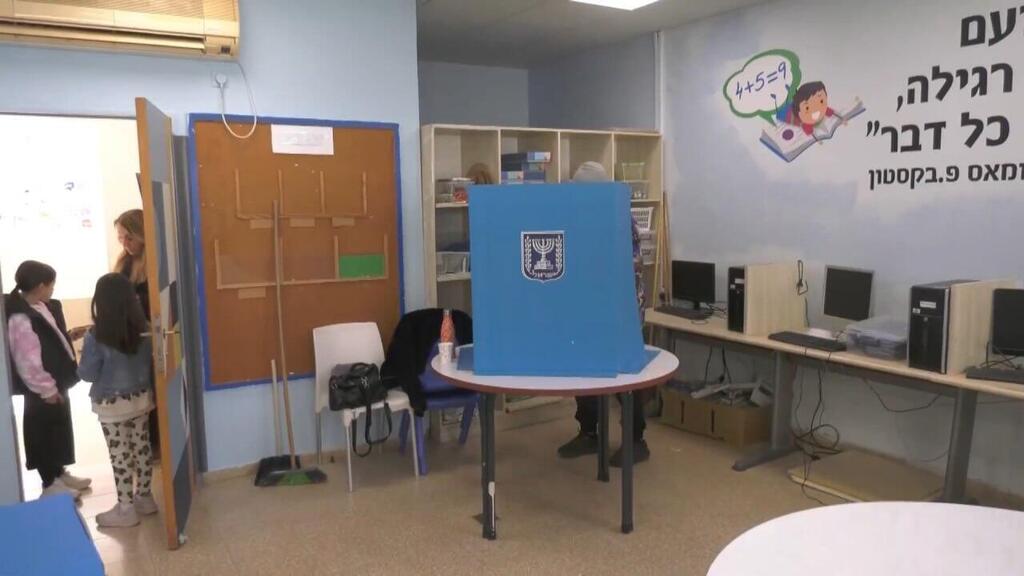
Ballot box
(Photo: Miki Schmidt)
MK Yulia Malinovsky of Yisrael Beytenu said during the discussion: “Let’s move beyond stereotypes. These facilities also include Housing Ministry nursing homes. To reject this or claim it benefits one party or another is foolish and incorrect.”
Committee members were told that the population living in such facilities numbers roughly 35,000 to 37,000 people — nearly the equivalent of one Knesset seat.
Opposition lawmakers were also unenthusiastic about Rothman’s proposal to allow national service volunteers abroad to vote, given that the group is widely viewed as more likely to support coalition parties. However, because of the relatively small number of voters involved, they did not reject the idea outright and the measure could ultimately be approved.
MK Karine Elharrar said: “National service should be performed in Israel. Service abroad is a privilege.”
Rothman responded: “We’re talking about 200 voters, and you say there’s no broad agreement. Yet you’re asking for ballot stations in nursing homes, which is almost a Knesset seat, and calling that broad consensus.”
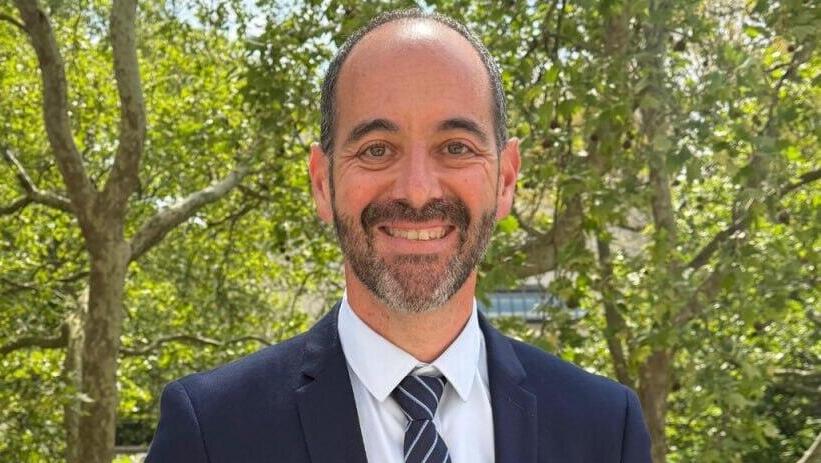
Attorney Din Livneh
Acting Central Elections Committee Director General Din Livneh said the issue of voting rights for national service volunteers abroad is being examined in coordination with the Ministry for National Missions.
“We’re talking about between 150 and 240 eligible voters. We have no objection,” Livneh said. “National service volunteers serving abroad are very similar to a previous expansion approved by the Knesset regarding volunteers in Zionist institutions who perform very similar roles.”
In a separate discussion, Livneh addressed difficulties in recruiting workers for the Elections Committee, particularly younger employees.
“The main challenge we face today is recruiting qualified personnel,” he said. “The job requires full commitment and intensive work throughout the summer months, including August, Fridays and holiday periods.”
He added: “Unfortunately, we are seeing a significant decline in the willingness of younger generations to take part in this national mission. The budget figures before us clearly reflect this reality. Out of an original budget of 81.3 million shekels allocated for Knesset election expenses, actual cash expenditures stand at only 53 million shekels. If we had a budget better suited to current labor market conditions, we could offer stronger incentives and recruit the workforce needed to ensure the best possible service.”