


Following missile fire from Iran toward northern Israel, a strike was reported in Safed, with two people lightly wounded. Just before the Iranian missile barrage, a woman was killed in Hezbollah rocket fire from Lebanon, Israeli emergency services said Tuesday, as the Iran-backed group continues nonstop rocket barrages and drone launches toward northern Israel.
Magen David Adom said the woman, who had been critically wounded in the attack, was pronounced dead. Two additional people were lightly injured.
IDF strikes in Lebanon
(Video: IDF)


The deadly strike comes amid sustained attacks from Lebanon, with Hezbollah firing rockets and launching drones almost continuously toward Israeli communities along the northern border, keeping residents under constant threat.
At the same time, the IDF is continuing operations in southern Lebanon, aiming to push Hezbollah operatives farther from the border and limit their ability to carry out attacks. Northern Command is currently conducting what officials describe as a controlled defensive campaign, relying on targeted raids rather than a broad ground offensive.
Ground forces, including units from the Golani Brigade, are operating in the first line of villages near the border. Troops are demolishing structures used for military purposes, searching for weapons and clearing areas used for launching projectiles toward Israel.
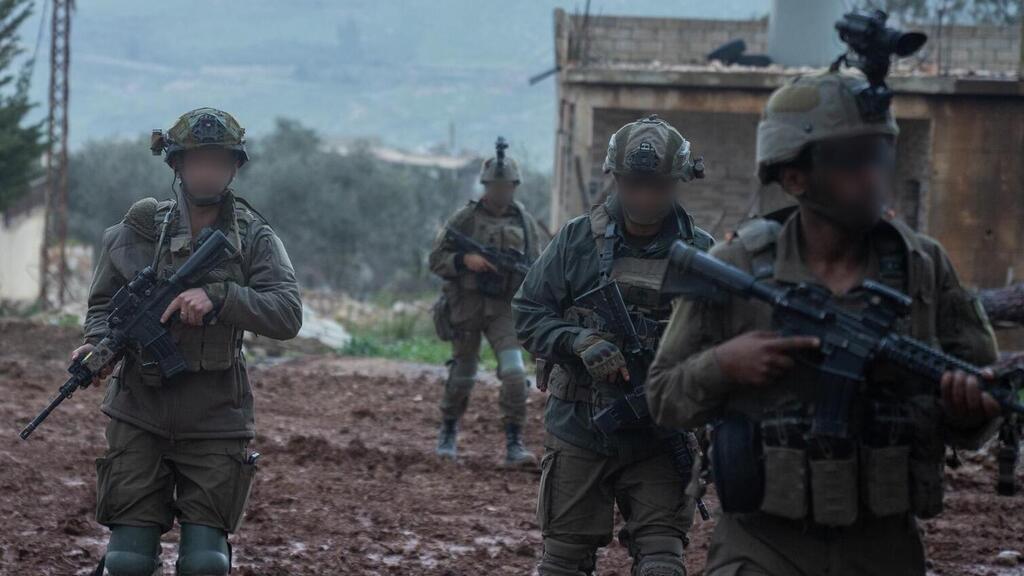
According to the military, Hezbollah operatives have largely withdrawn from frontline positions and are now entrenched in deeper defensive zones inside Lebanon, where they are preparing for potential clashes with Israeli forces.
As part of efforts to isolate the area and disrupt Hezbollah’s movement, the IDF has struck bridges along the Litani River. The strikes are intended to prevent the group from regrouping or establishing new operational lines further north, and are also seen as a signal to the Lebanese government to act against Hezbollah before additional infrastructure is targeted.
Earlier Tuesday, the IDF said that during a targeted raid last week, Golani Brigade troops identified armed terrorists in several locations. With air support, forces killed eight terrorists, including a member of Hezbollah’s elite Radwan force sniper unit.
During the operation, troops also uncovered and destroyed an underground shaft leading to a hideout used by the terrorists. Dozens of weapons were found at the site, including anti-tank missiles, firearms, machine guns and grenades.
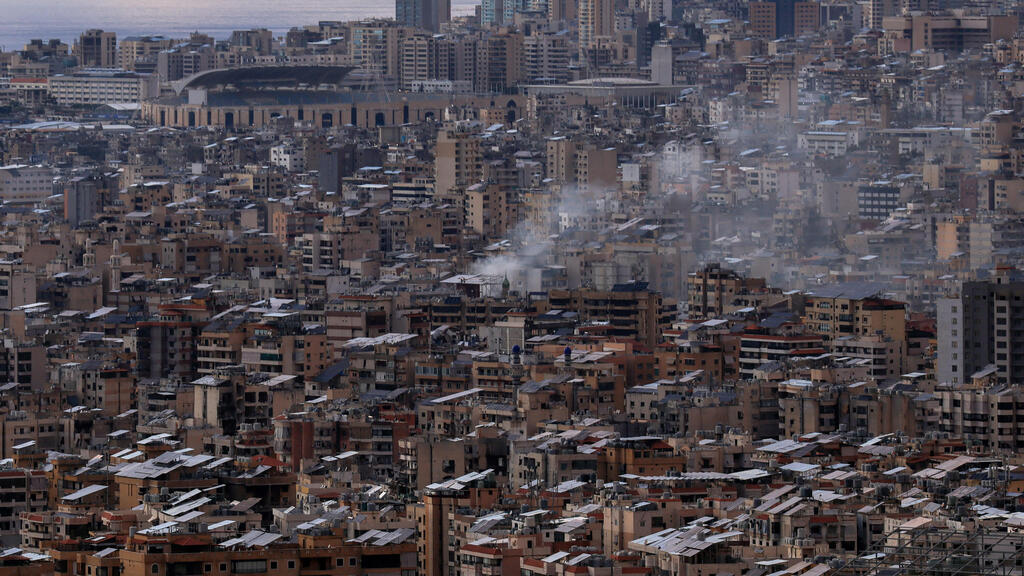
IDF strikes in Beirut
(Photo: Raghed Waked/ Reuters)
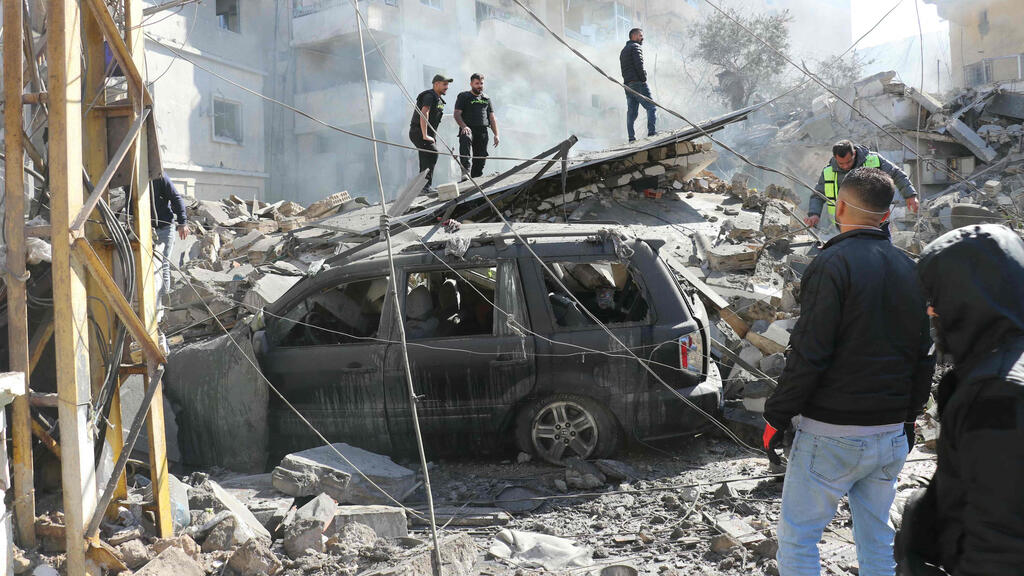
Beirut
(Photo: Kawnat Haju/ AFP)
In a separate operation, the IDF and Shin Bet said the Israeli Navy killed Mohammad Ali Kourani, a terrorist affiliated with Iran’s Quds Force, in the Beirut area. According to the military, Kourani was involved in advancing terror plots directed by Iranian intelligence.
“Iranian intelligence elements continue to operate and promote terror activity through operatives in Lebanon,” the IDF said. “The IDF and Shin Bet will continue to act to thwart Iranian terror activity in Lebanon and remove any threat to Israeli civilians.”
Meanwhile, the Israeli Air Force has continued strikes on Hezbollah-linked infrastructure, including fuel stations operated by the Al-Amana company, which the IDF says serves as a key financial and logistical arm of the terrorist organization. The company operates dozens of gas stations and distribution centers across Lebanon, generating significant revenue used to fund Hezbollah’s activities.
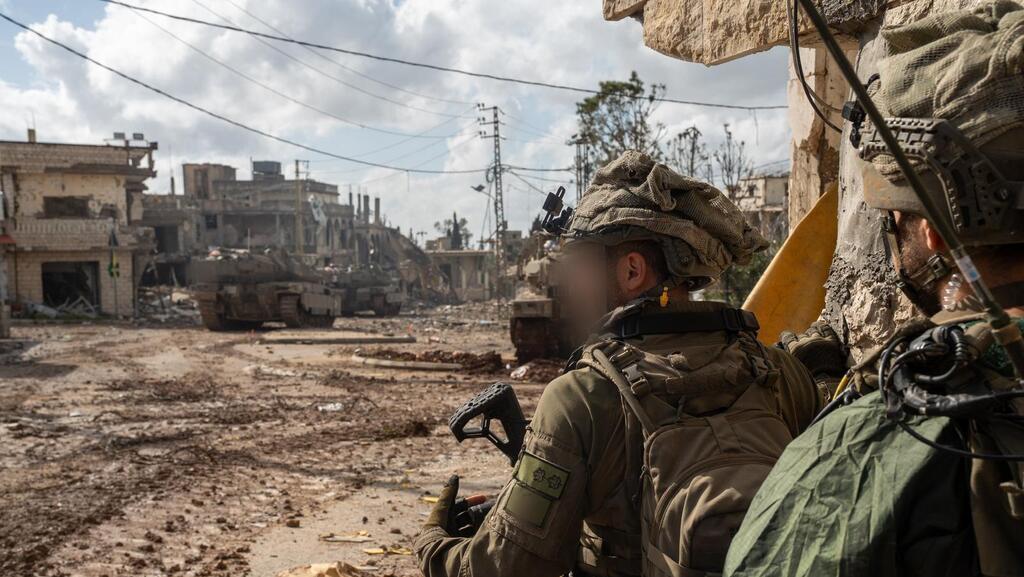
IDF forces in southern Lebanon
(Photo: IDF)
The escalation on the ground comes alongside rising political tensions inside Lebanon. Hezbollah on Tuesday condemned the Lebanese government’s decision to declare Iran’s ambassador in Beirut persona non grata and order him to leave the country by Sunday.
In a statement, Hezbollah said it “condemns and rejects” the decision, calling it “baseless” and accusing Lebanese officials of yielding to external pressure.
“This reckless and disgraceful step does not serve Lebanon’s national interests, its sovereignty or its unity,” the group said. “It represents clear submission to external dictates and weakens the Lebanese state.”
Israeli officials continue to link developments in Lebanon to the broader confrontation with Iran, noting that Hezbollah’s actions are closely tied to Tehran as part of the wider Shiite axis.