


Until the full picture becomes clear regarding a possible cease-fire in Gaza, the IDF is entering a dangerous period in which operational momentum could drop. Hamas may try to seize this moment to achieve a last-minute success or even prolong the war.
U.S. President Donald Trump has given the terror group three to four days; it may take longer. During this time, the IDF must continue offensive operations and remain alert, especially on Yom Kippur and throughout the holiday season.
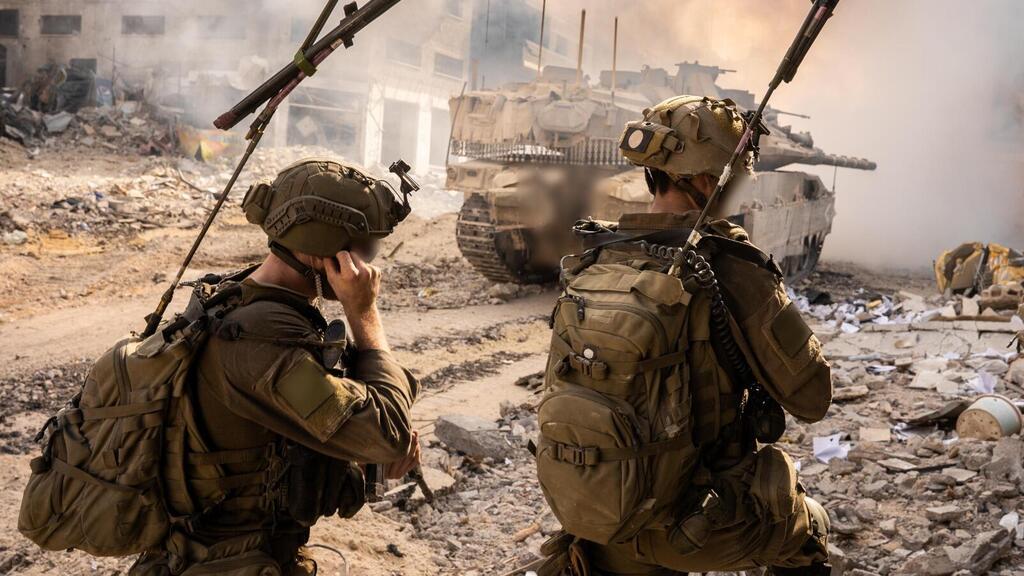
Forces are advancing slowly but with overwhelming force, prioritizing security over speed. In practice, it looks more like leveling Gaza City—similar to operations carried out in Rafah, Khan Younis, Beit Hanoun and other parts of the northern Strip. A senior officer currently leading the fighting, who also took part in the previous campaign in Gaza City, explained that the earlier strategy was rapid conquest. This time, the goal is total destruction of Hamas infrastructure, both above and below ground.
In his assessment, with a slower, safer approach that leverages Israel’s advantages—explosive-laden armored vehicles, airstrikes and drones—the IDF could eliminate all of Hamas’ infrastructure in Gaza City within two months. He noted that the Hamas brigade there could be defeated more quickly, but at the cost of far more casualties, a risk he said is not worth taking on the eve of a possible cease-fire and withdrawal. He stressed that even the defeat of Hamas would not mean killing the last armed militant.
The officer added that contrary to Hamas’ image of fighting to the last man, many operatives have fled with their families to central refugee camps in the south after realizing the IDF is serious about turning Gaza into “another Rafah.”
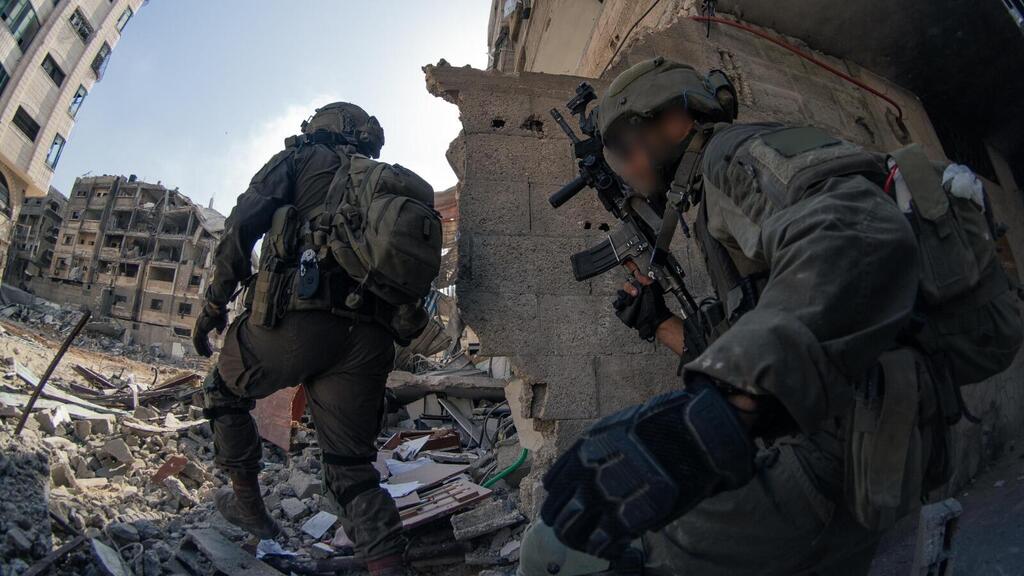
(Photo: IDF)
Most details about future security arrangements remain unclear, but commanders in the Gaza Division and Southern Command strongly oppose any plan that leaves the IDF only along the border, without a security perimeter inside Gaza. “We cannot go back to Oct. 6,” they warn. “It is impossible to protect communities from the fence. Farmers driving their tractors should not be seeing Hamas fighters, but Israeli soldiers in front of them.”
At the field command level, many officers emphasize a clear distinction: “The IDF will defend from any point the government directs it to,” they say, “but there is a dramatic difference between protecting Sderot and the kibbutzim from Ridge 70 inside Gaza, and defending from the border itself.”
Like in Lebanon: no room for enemy buildup
The second principle the commanders insist on is strict enforcement against any violation, preventing the enemy from rebuilding, just as has been done in the north against Hezbollah.
I heard these two takeaways on Tuesday while touring the Gaza Division, after visiting Division 91 earlier in the week. Along the new line from the sea to Mount Dov—now under the command of Brig. Gen. Yuval Gaz—there are five outposts inside Lebanese territory, well beyond areas that Hezbollah once held topographical control over. These outposts are manned by reservists carrying out impressive and offensive operations.
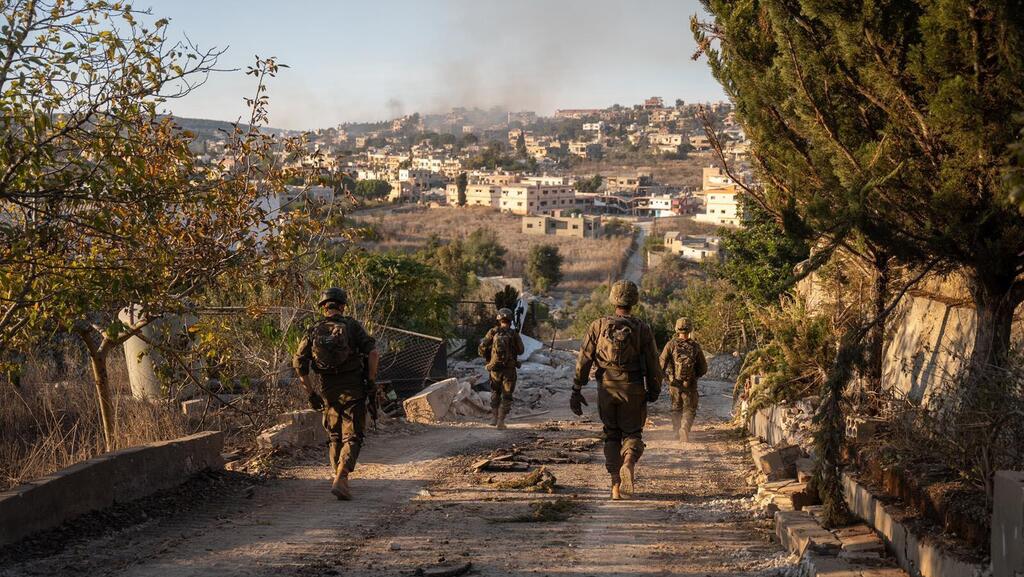
IDF forces in Lebanon
(Photo: IDF)
Enforcement begins right at the border and extends all the way to Beirut: IDF troops conduct raids, uncover large Hezbollah weapons caches, and simultaneously carry out airstrikes to prevent both Hezbollah’s southern front and its Radwan forces from regrouping. Hezbollah still has capabilities and is seeking ways to recover, but Israel’s objective is to cut them off.
“Soldiers always before civilians, especially when there are alerts,” one officer said, reflecting on the pre–Oct. 7 reality, when the IDF pulled back and civilians were left exposed, while Hezbollah warnings were ignored.
Touring that frontier shows what victory looks like—even if it falls short of total defeat: Israel’s security reality has shifted, and the IDF now enjoys full freedom of action inside Lebanon. The challenge is to preserve this policy permanently and resist international pressure to scale back, because pulling back outposts or reducing offensive operations would bring Hezbollah back to the fence and allow it to rearm.
Now, the challenge is to create the same security reality in Gaza’s border communities in the face of Hamas.