


The return of the bodies of two Israeli hostages from Gaza on Thursday has done little to resolve the growing crisis surrounding the missing captives, as Hamas continues to stall and exploit gaps in the U.S.-backed ceasefire agreement.
Despite receiving the remains of Amiram Cooper and Sahar Baruch, 11 more Israeli bodies remain in Gaza, and officials in Jerusalem say Hamas is deliberately dragging out the process.
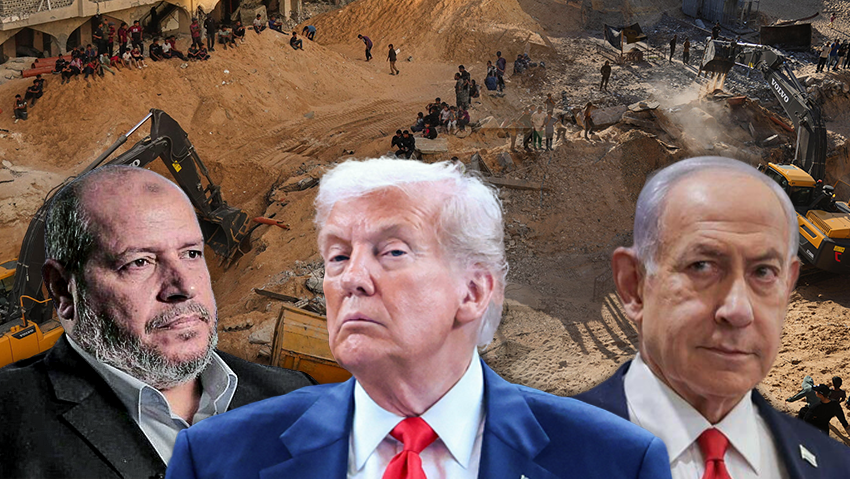
The agreement—commonly referred to as the “Trump 20-Point Plan for Gaza”—was intended to lead to Hamas relinquishing control of the coastal enclave and disarming. But nearly 755 days after the October 7 massacre, Hamas remains entrenched, manipulating the hostage issue to pressure Israel and test the limits of U.S. restraint.
According to Israeli officials, Hamas had already located Cooper and Baruch two days before returning them, raising suspicions the delay was strategic. The terrorist group has repeatedly breached the terms of the deal, including staging a false recovery of a hostage’s remains and initiating attacks that killed Israeli reservist Efi Feldbaum during an anti-tank and sniper attack near Rafah earlier this week.
Efforts to recover the remaining bodies are complicated by what Israeli officials describe as “holes” in the agreement—chiefly, the absence of enforcement mechanisms or incentives for compliance. The lack of leverage, they say, continues to harm the grieving families, who are still awaiting closure.
Behind the scenes, Israeli officials express growing frustration with Washington. While Hamas exploits the emotional weight of the hostage issue, President Donald Trump and his administration are viewed in Jerusalem as effectively managing the crisis and limiting Israel’s ability to escalate. Even recent Israeli airstrikes in Gaza, conducted after multiple ceasefire violations, were reportedly approved in advance by U.S. officials.
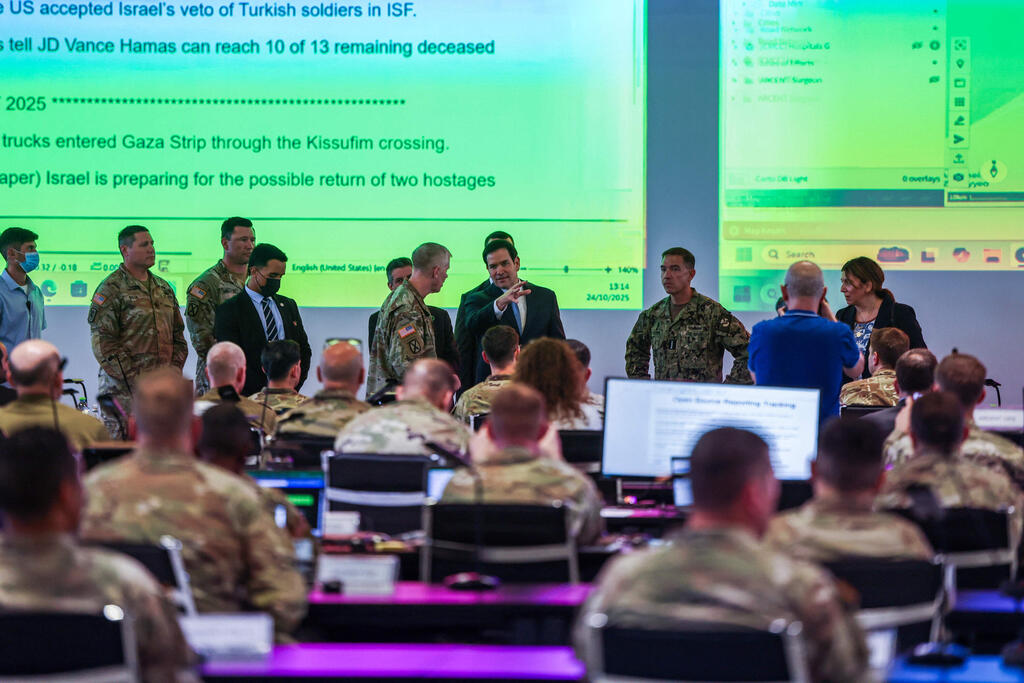
The US military base in Kiryat Gat
(Photo: Fadel SENNA / POOL / AFP)
“The Americans are moving on,” said one Israeli official. “They don’t see this as a justification for resuming full-scale operations.”
Vice President J.D. Vance, who visited Israel and the U.S. military base in Kiryat Gat last week, publicly questioned whether Hamas was even behind the deadly attack in Rafah. The comment was perceived in Israel as downplaying the provocation and shielding Hamas from harsher retaliation.
In response to the continued violations, some Israeli officials had proposed taking control of additional territory in Gaza beyond the so-called “yellow line” defined in the agreement. However, sources revealed this week that the move was blocked by Washington, with President Trump personally vetoing the plan following discussions with Prime Minister Benjamin Netanyahu and Strategic Affairs Minister Ron Dermer, one of the plan’s original architects.
That pattern—Israeli threats of sanctions or increased military pressure followed by U.S. restraint—has become routine, officials say. Hamas breaks the deal, Israel signals a response and Trump’s administration intervenes to prevent escalation.
With Hamas firmly in control, the fate of the remaining hostages and their families remains uncertain, while Israel finds itself caught between domestic outrage and international diplomacy managed from Washington.
Muslim troops only
As the U.S. intensifies its oversight of the ceasefire deal in Gaza, a high-level American military delegation has arrived in Israel to monitor its implementation and prevent unilateral action by Israeli leaders. Gen. Dan Caine, chairman of the U.S. Joint Chiefs of Staff, landed Thursday night in what Israeli officials now informally call the "Bibi-sitter" mission—a direct reference to Prime Minister Netanyahu.
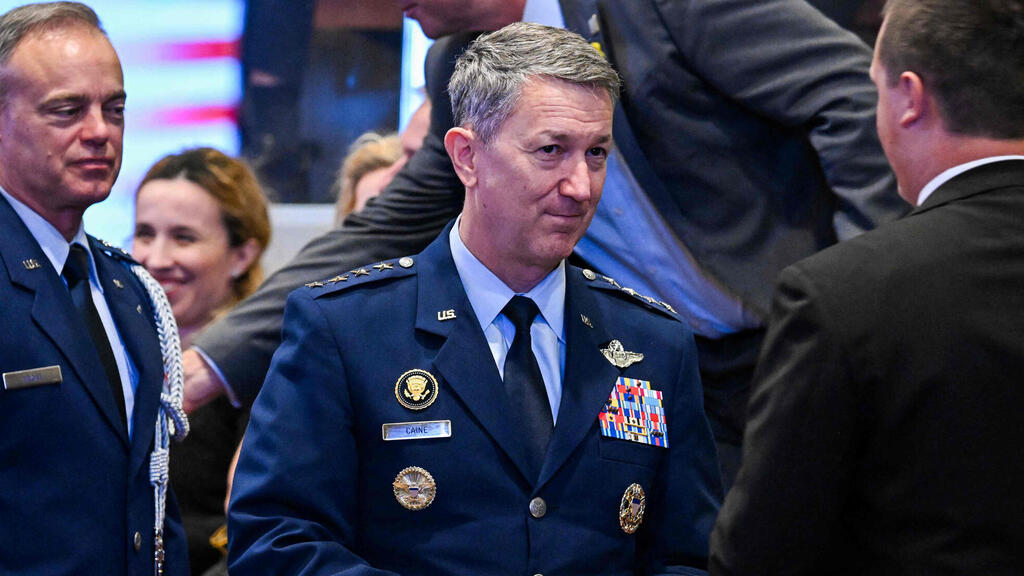
Dan Caine
(Photo: Kenny HOLSTON / POOL / AFP)
Caine is expected to begin his official meetings Friday, with discussions focused on further implementing the Trump administration’s 20-point Gaza plan. The general's presence underscores the Trump administration’s hands-on approach to managing the situation on the ground and signaling that no surprises will be tolerated.
Meanwhile, U.S. special envoys Steve Witkoff and Jared Kushner are working to form a Gaza stabilization force, a key component of the agreement. Washington insists the force consist exclusively of Arab troops, not Western ones, fearing that non-Muslim forces would be perceived by Palestinians as foreign occupiers. The U.S. hopes Muslim soldiers will be more acceptable to the population in Gaza, allowing for smoother deployment.
But many Arab states have rejected President Trump’s requests, citing concerns over potential armed clashes with Hamas. In the absence of Arab agreement, U.S. officials announced that starting Nov. 7, Washington will assume full responsibility for Gaza's humanitarian situation—a move met with skepticism in Jerusalem.
Israeli officials doubt that the American command structure, which is closely monitoring events from afar, will be able to deliver on time. They also believe that responsibility for humanitarian coordination will remain with Israel’s Coordinator of Government Activities in the Territories (COGAT). “It all comes down to coordination,” one source familiar with the sensitive issue said.
As the humanitarian and diplomatic maneuvers continue, the emotional and political weight of the hostage remains crisis persists. Eleven Israeli bodies are still held in Gaza: Capt. Omer Neutra, Sgt. 1st Class Ran Gvilli, Staff Sgt. Itay Chen, Sgt. Oz Daniel, Col. Assaf Chamami, Lt. Hadar Goldin, Dror Or, Meni Godard, Lior Rudaeff, Joshua Luito Mollel and Sontisek Rintalk.