


The southern Lebanese tourism hub suffered extensive destruction during the fighting, but officials say 90% of displaced residents have returned, beaches are reopening and rubble is being cleared, even as shelling remains audible drove many residents away.
Before the wars of recent years, Tyre was an important tourist hub in Lebanon, with beaches and sites considered popular destinations, including among residents of southern Lebanon itself. It is also known as a historic city and one of coexistence among different religions. The terrorist organization Hezbollah even exploited that during the months of fighting, believing it had found shelter in the city’s Christian quarter until the IDF issued evacuation warnings. Tyre and its surrounding area were significantly attacked during the war.
Watch another episode of Lior Ben Ari's 'Ya Allah' series
(Video: Lior Sharon)


The city’s recovery process, according to reports, is largely the result of the return of displaced Lebanese residents after the announcement in late June of the framework agreement between Israel and Lebanon, mediated by the United States. However, security tensions remain in the Tyre district, of which the city is the capital, because of the activity of terrorist elements in the area. Over the weekend, a strike was reported in the village of al-Mansouri, which is part of the sector.
Gallery
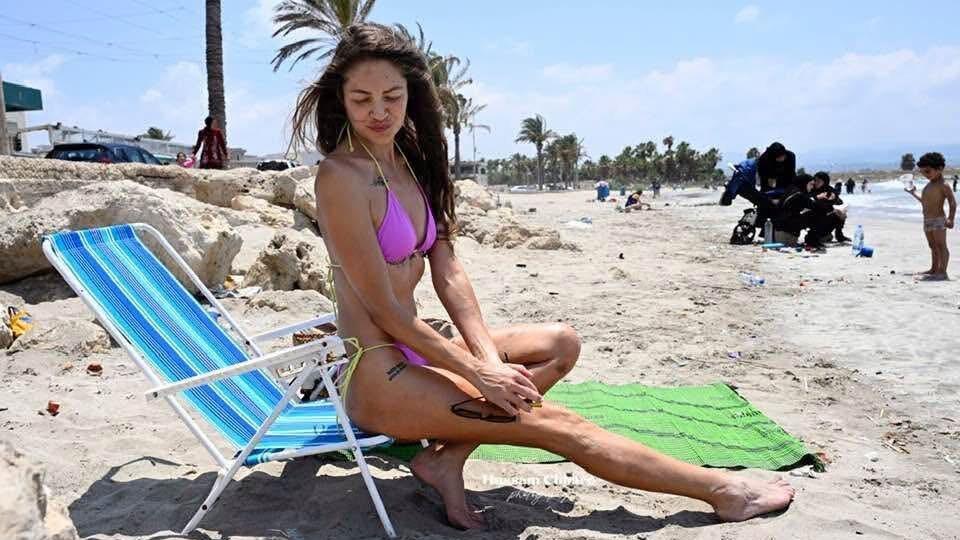
On the beach in Tyre: 'Coming to life'
(Photo: from the Facebook page of the Municipality of Tyre)
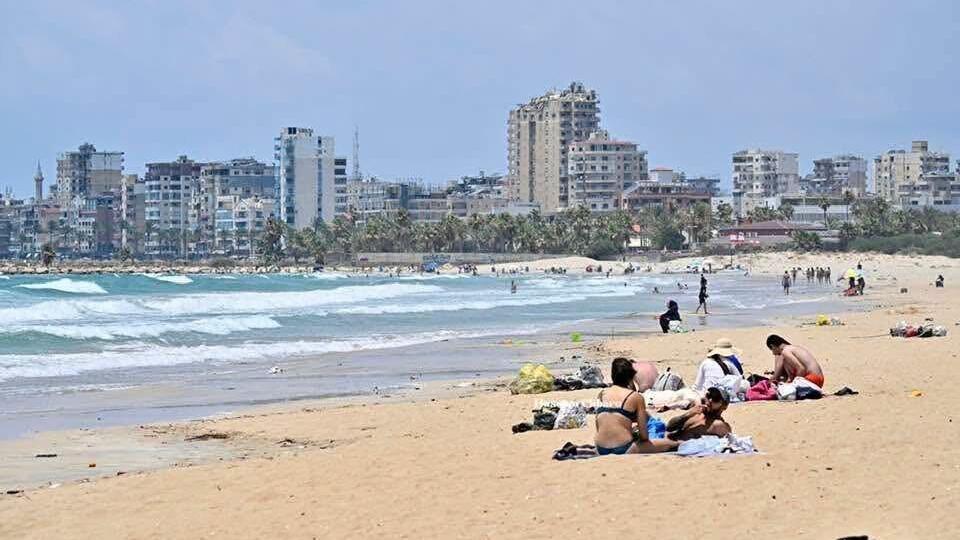
(Photo: from the Facebook page of the Municipality of Tyre)
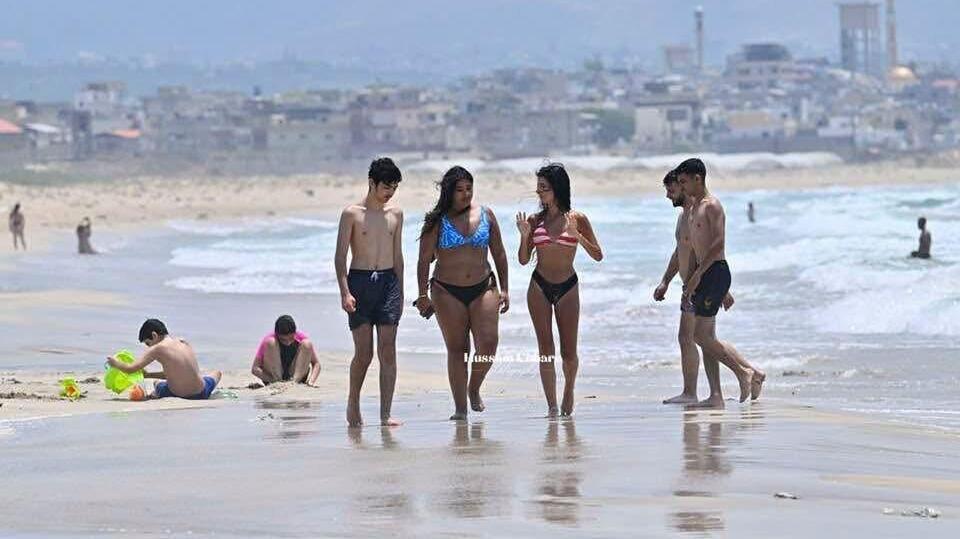
(Photo: from the Facebook page of the Municipality of Tyre )
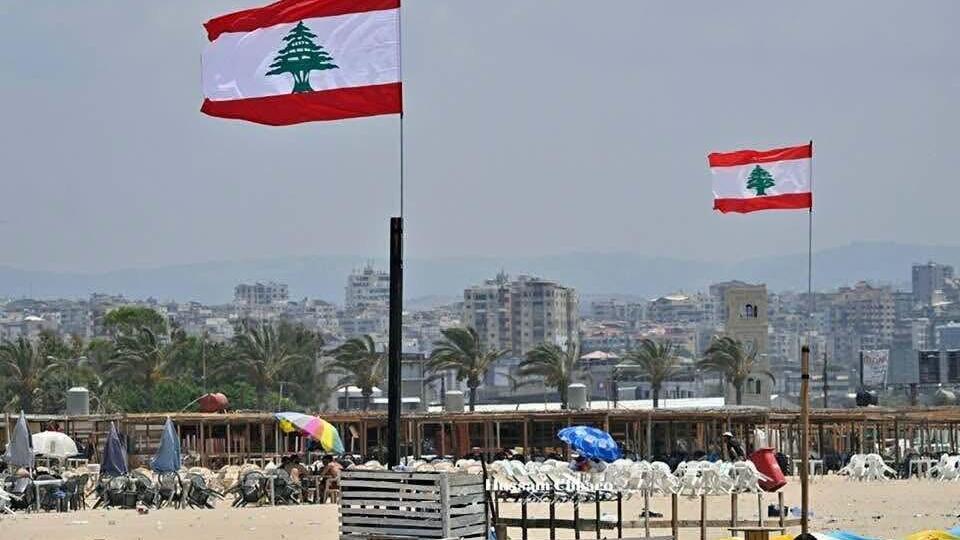
(Photo: from the Facebook page of the Municipality of Tyre )
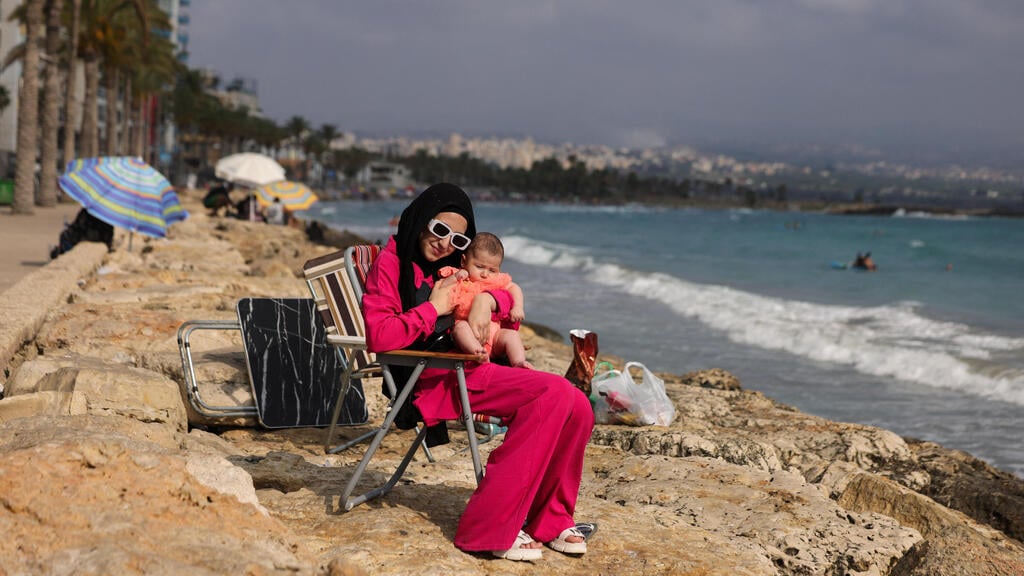
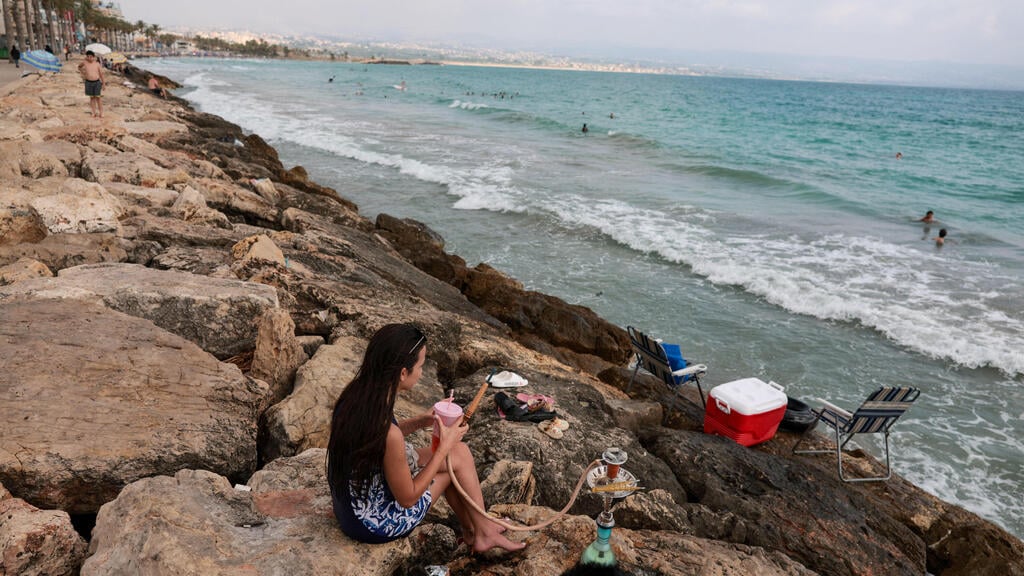
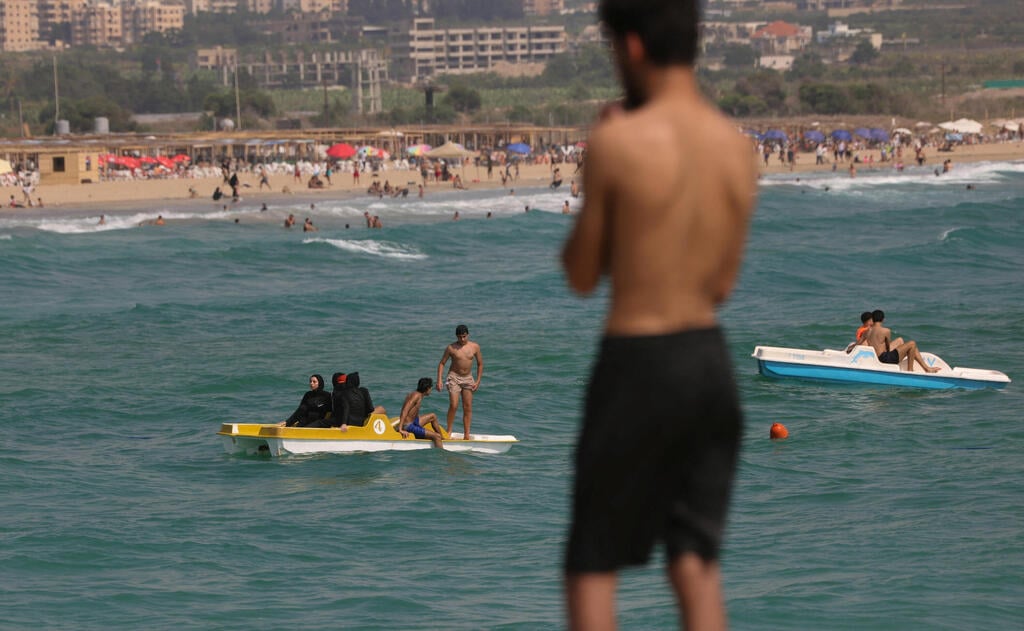
In recent days, Lebanese channels and local Tyre groups have published articles and videos from the city’s streets, showing a return to routine. The videos mainly showed the beaches slowly filling up again. A Facebook page affiliated with the city posted photos from the beach in early July and wrote: “Tyre’s beach is coming back to life. An exceptional presence reflects the residents’ clinging to hope and the return of activity after the war.”
As part of the city’s return to routine, a large beach cleanup event was held July 12 in the area of the Tyre Coast Nature Reserve. The event was preceded by a social media campaign calling on people to join hands and “welcome summer with a clean beach and a message of environmental and cultural responsibility.”
In the presence of officials and volunteers, and after the Lebanese anthem was played and a minute of silence was observed in memory of the Lebanese killed, participants set out to clean the beach and collect trash, “with the aim of preserving the natural treasures that characterize the city of Tyre.”
The Tyre Coast Nature Reserve is located on the seafront south of the city itself and is divided into a tourist area that allows swimming and recreation, a protected area, and an area of agriculture and antiquities. The reserve includes a biodiversity of plants and animals. It has a nesting site for sea turtles, a nesting site for birds, protected sand dunes, springs, wells and historic marshes. The nature reserve is also part of the ancient city of Tyre, which was declared a UNESCO World Heritage Site in 1984. The reserve’s agricultural area is separated from the other two areas by the Rashidieh Palestinian refugee camp, which is located on the coast.
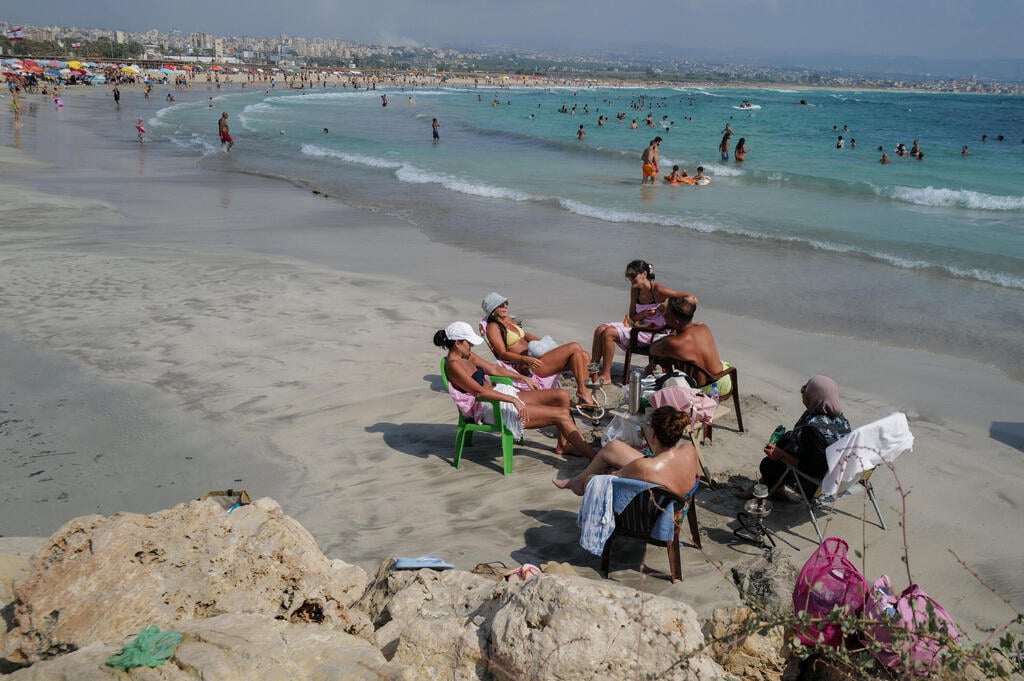
On the beach in Tyre
(Photo: Zohra Bensemra/Reuters)
(Photo: Zohra Bensemra/Reuters)
(Photo: Zohra Bensemra/Reuters)
(Photo: Zohra Bensemra/Reuters)
But alongside the landscapes and beaches, videos from the city also show streets destroyed in strikes against the terrorist organization Hezbollah during the war. Announcements by the Tyre municipality in recent days also recall what happened in the city only a few weeks ago, as the municipality has been publishing schedules for clearing the ruins of buildings that were struck and calling on residents of those buildings to be present at the work site during the evacuation “to observe the process.”
An article on Tyre recently published in the Qatari newspaper Al-Araby Al-Jadeed, reported that activity in the city’s streets is increasing day by day, especially on weekends, and that a walk through the city reveals cafes and restaurants that have reopened. The World Cup was also broadcast in recent weeks, although the number of customers remains low.
The report also said that dozens “are flocking to the sea in the hope of escaping the security, political and social pressures they have suffered for months.” The newspaper noted that shop owners whose businesses were damaged in strikes are trying to complete renovations quickly in hopes of catching the summer season business before it ends, while hotels remain at low occupancy.
The newspaper spoke with local residents who recently returned to the city, including Fatima Suleiman, who said: “Tyre is everything to us. It is our life. Going to the beach is essential, especially for the children, to release energy and ease psychological stress after months of the war’s harsh consequences.”
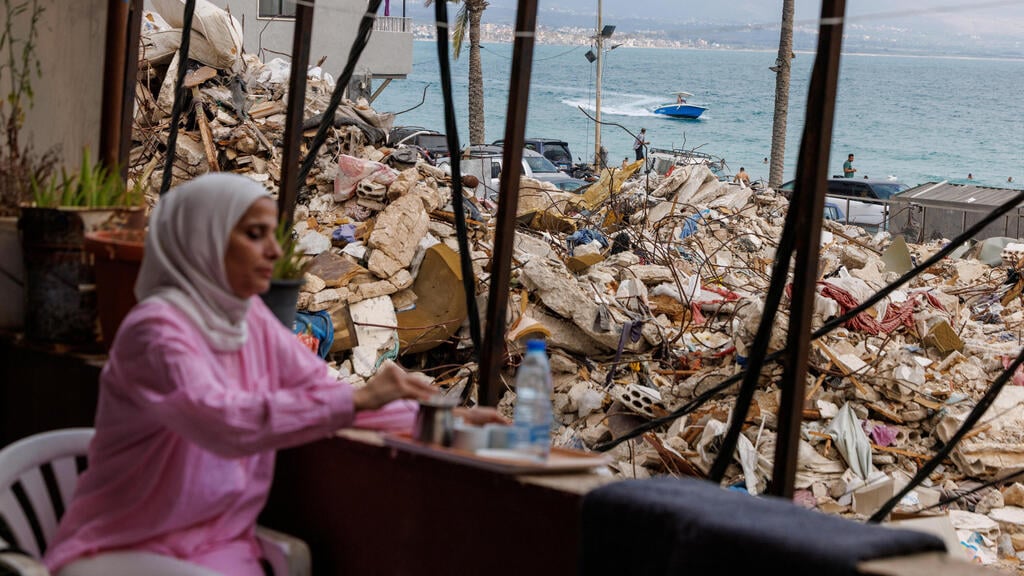
A Lebanese woman sits in her house next to the ruins in Tyre - facing the beach
(Photo: Zohra Bensemra/Reuters)
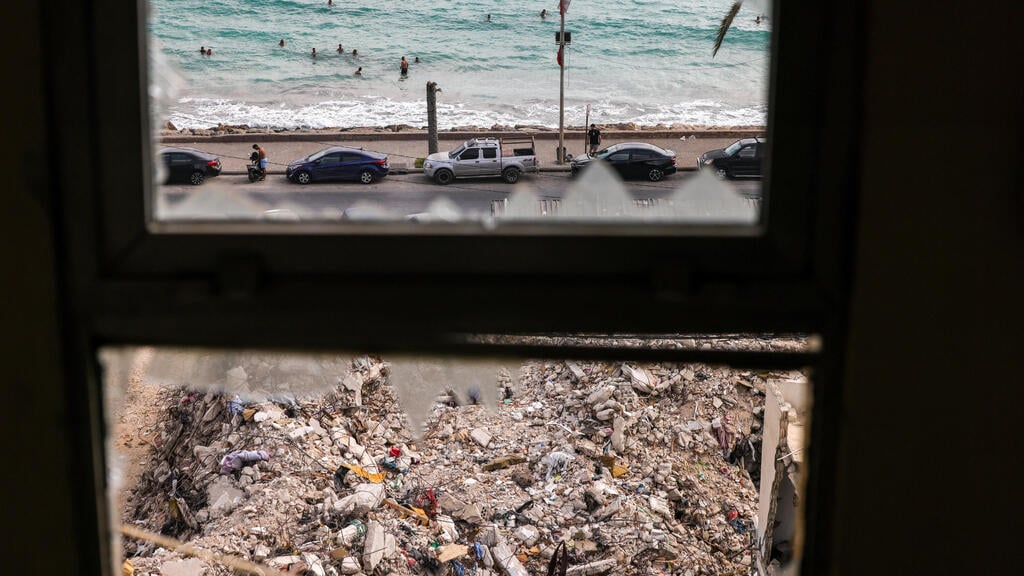
( Photo: Zohra Bensemra/Reuters)
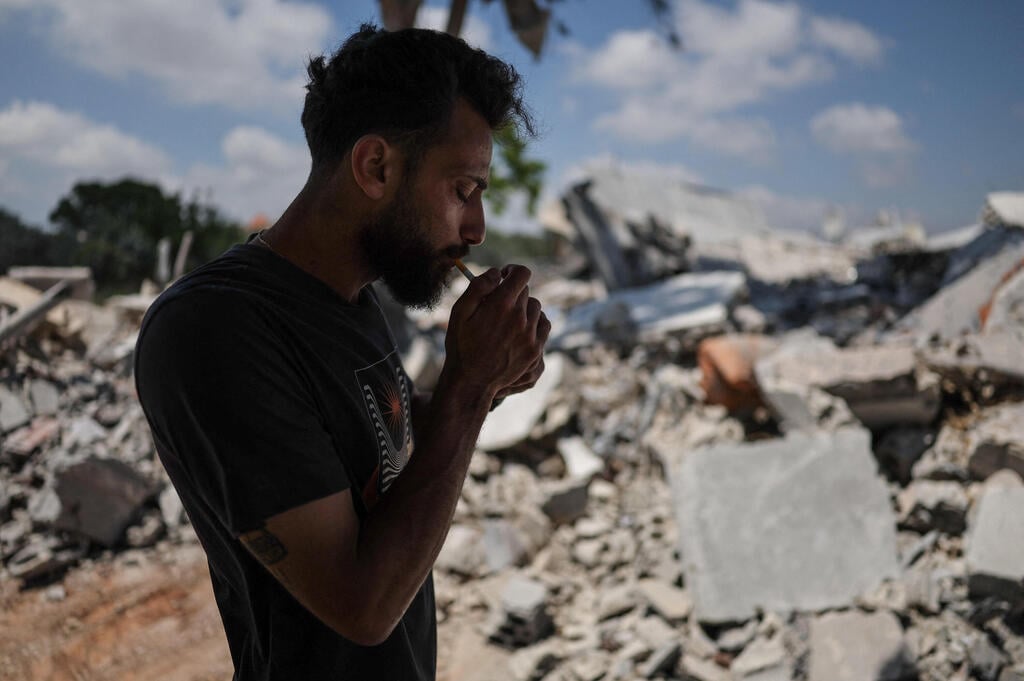
(Photo: Zohra Bensemra/Reuters)
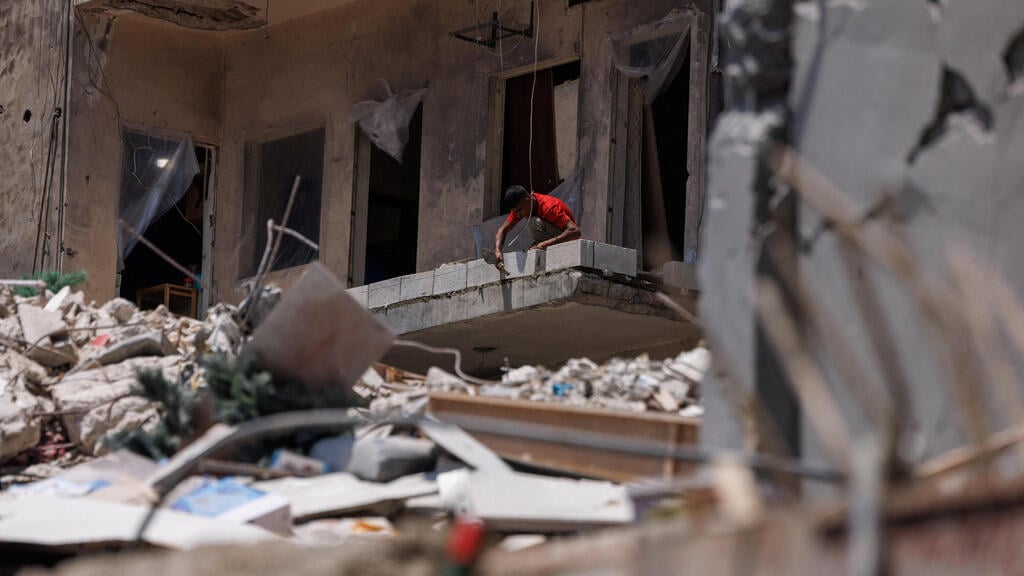
Some Tyre buildings were reduced to rubble
(Photo: Zohra Bensemra/Reuters)
Tyre Deputy Mayor Alwan Sharaf al-Din told Al-Araby Al-Jadeed: “There are about 50 tents on the beach of the Tyre Coast Nature Reserve, and most of them are fully ready to receive visitors. People began arriving from inside and outside the city after the summer season opened on July 4, but some are afraid of the security situation. The municipality has prepared all the services and is ensuring food safety, parking management and other daily details. We expect to see greater tourist activity after mid-July, if quiet continues in the south.”
“Optimism remains cautious, because there are about 15 occupied villages out of 65 villages in the district," he added.
Regarding war damage in the city, the deputy mayor said 27 buildings were completely destroyed and additional buildings were partially damaged. He claimed that about 90% of displaced residents have already returned to the city, and work continues to reopen roads and repair water and electricity networks. “Home repairs are underway, but this requires time, and people are waiting for compensation and reconstruction that has been delayed and is linked to the course of negotiations with Israel,” he added.
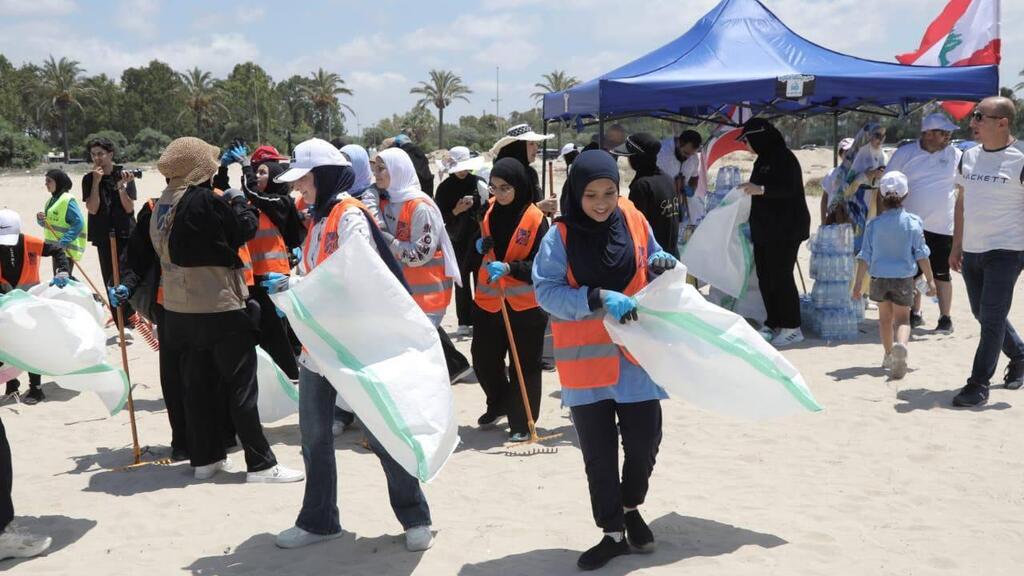
Beach clean up
(Photo: Tyre municipality)
An Al Jazeera report from recent days also said of the city that “children run on the sand and visitors return to the cafes and beach tents. Amid the sound of the waves and the bustle of visitors, the place is trying to overcome the memories of recent months.”
“The Tyre municipality sees the reopening of the beach as one of the first steps toward economic recovery after the war,” Al Jazeera also wrote. According to the network, the municipality “took the initiative to clean, rehabilitate and reopen the beach to visitors, relying on its status as the city’s most prominent tourism and economic artery.”
Lebanon’s An-Nahar also described the atmosphere on the city’s beaches last week: “From the beach, clouds of smoke can be seen rising from nearby towns. The sounds of airstrikes and explosions reach visitors’ ears almost daily. Children’s laughter mixes with the sounds of shelling, and the summer outing becomes a surreal scene: the sea and the war — an image that sums up the reality of the south today.”