


The Israel Home Front Command Israel Home Front Command updated its nationwide instructions after the Iranian missile attack on northern Israel:
- Schools are closed across the country
- Workplaces may operate only if a standard protected space can be reached in time
- Public gatherings are limited to up to 200 people outdoors and up to 500 people indoors, provided a protected space is accessible within the required alert time
Alert system
The Home Front Command has defined three stages of public warning:
- Early warning: a loud mobile alert based on SMS and location data, issued about 10 minutes before an expected strike
- Siren alert: approximately 90 seconds before impact
- All-clear message: sent to phones once the danger has passed
Priority order for choosing a protected space
Safe room or shelter: The preferred option. The door must be fully closed and locked and both the external steel window and internal glass window must be shut. If a double-wing glass window is installed, it should be removed in advance and stored outside the room until the emergency ends.
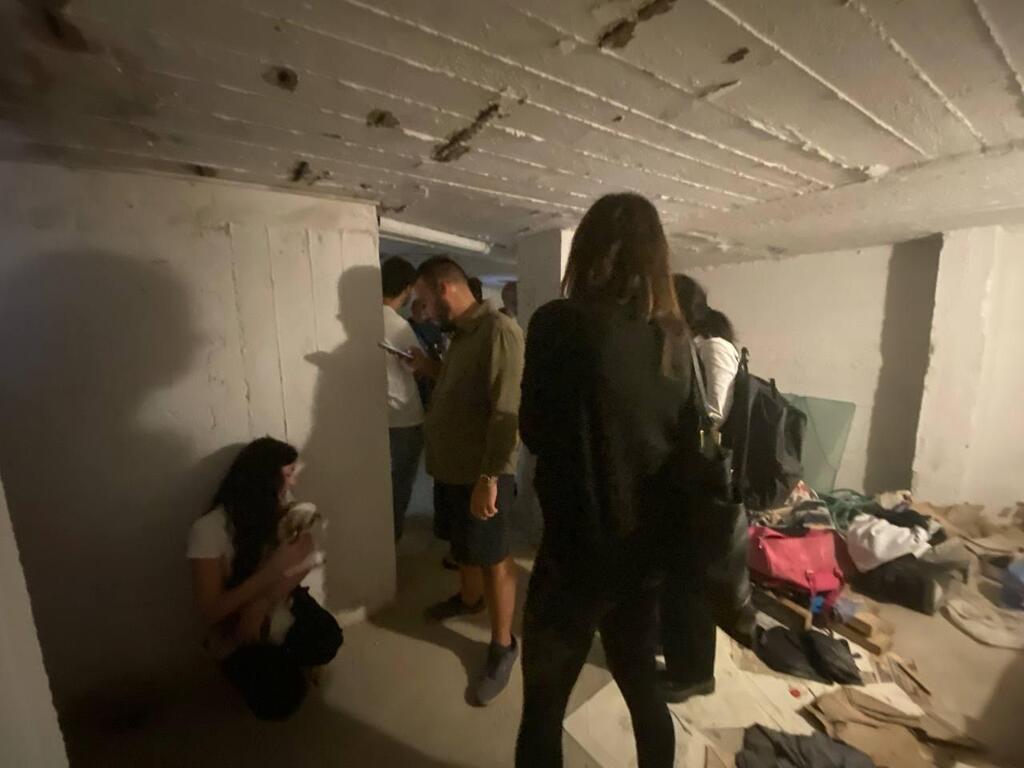
Shelter: A building shelter if it can be reached within the available warning time, or at any time if accessed via an internal stairwell without windows. Public shelters are valid only if they can be reached in time.
If none are available, an internal staircase or interior room should be used. A stairwell without windows or external walls may be used as a protected space. Residents should position themselves in the middle floors. In buildings with more than three floors, shelter between at least two floors above. In buildings with fewer than three floors, use the middle level. Do not stay on the entrance floor and keep stairwells clear of obstacles.
Interior room: If no protected space exists, choose an interior room with as many walls and as few windows as possible. Avoid ceramic or glass elements that could shatter. Sit close to an interior wall, below window level and not opposite a door.
Interior rooms provide better protection because they are surrounded by additional walls, reducing exposure to blast and shrapnel. However, precautions are required, including avoiding window lines and doors due to potential debris and glass breakage.
Spaces that must not be used
Kitchens, bathrooms and toilets are not safe as protected spaces due to ceramic and glass hazards.
Key guidelines
Do not stay in building entrances due to risk from nearby blasts and shrapnel.
Ensure all shelter windows and doors are properly closed and secured until the emergency ends.
If no protected space is available, lie on the floor and cover your head with your hands.
In light construction buildings such as caravans or structures made of plaster or wood, evacuate and move to a protected space within the available time, or lie on the ground if that is not possible.
Keep protected spaces maintained and clear of obstacles and ensure residents are familiar with evacuation routes.
The stairwell is the best available shelter for many populations, and seating should be prepared for elderly residents.
First published: 23:03, 06.07.26