

A senior U.S. official reveals that Washington is planning a “reward program” for Gazans who provide information about the burial sites of hostages’ remains. Speaking to Reuters, the adviser said: “No one will be left behind. We are doing everything we can to bring as many back as possible.”
According to the official, “a program is likely to be established to incentivize Gaza residents to share any information they may have on where hostage remains are located.” Two senior U.S. officials admitted the task is proving “more difficult than anticipated,” as many of the remains are believed to be buried under rubble or unexploded ordnance. However, one of them claimed that “Hamas has promised to do everything in its power to locate and return them.”
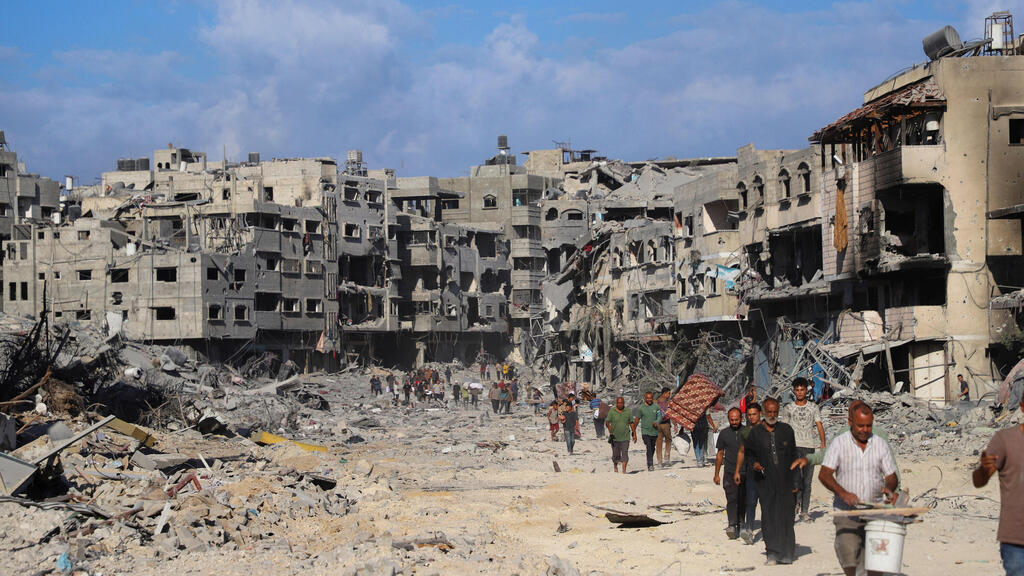
Returning to Gaza City
(Photo: Dawoud Abu Alkas/Reuters)
So far, Hamas has returned the bodies of Capt. Daniel Peretz, Yossi Sharabi, Guy Ilouz, Bipin Joshi, Uriel Baruch, Eitan Levy and Tamir Nimrodi. Two more coffins arrived overnight and were identified Thursday morning as Inbar Hayman and Sgt. Maj. Muhammad Al-Atrash. Hamas claims these are the only bodies it can currently access — a claim Israel rejects. Israeli intelligence estimates that the terror group could locate at least 10 additional hostages’ remains. Egyptian and Turkish teams are operating in Gaza in coordination with location data provided by Israel.
International stabilization force in planning phase
As phase two of the Trump-brokered Gaza cease-fire deal progresses, senior U.S. officials confirmed the planning of an international stabilization force for Gaza, one of the central components of Trump’s 20-point peace plan. Roughly 200 U.S. troops are expected to assist in coordination and oversight — but will not enter Gaza.
The U.S. is in talks with countries including the UAE, Egypt, Qatar and Azerbaijan about contributing to the force. Dozens of U.S. personnel are already in the region, coordinating the force's establishment. One adviser emphasized the goal is “to engage every regional partner willing to help.”
Meanwhile, the situation on the ground remains volatile. On Monday, Hamas executed eight Gazans in Gaza City, accusing them of collaborating with Israel. The executions were filmed and disseminated online, sparking U.S.-led discussions about the creation of “safe zones” inside Gaza to protect civilians and prevent similar killings. “No Gazan will be forced to leave the Strip,” one adviser said, noting that reconstruction efforts may begin in areas free of Hamas terrorists. The idea of such zones, he said, “was received enthusiastically by Israel.”
Trump walks back comment on Hamas handling security
Trump commented earlier this week that he was unbothered by Hamas’ internal crackdowns, having hinted that he gave the group “permission” to handle internal security in Gaza. “They dealt with some gang members, and that doesn’t bother me much,” he said. By Wednesday night, however, Trump walked back the comment, telling reporters: “I’m looking into it. Hamas says they cleared out violent gangs — we’re checking if they’re executing innocents.” Asked what happens if Hamas refuses to disarm, Trump replied, “I’m thinking about it. Israel will be back in those streets the moment I give the signal.”
Hamas reasserts control through brutality
According to The New York Times, Hamas is now trying to demonstrate to Gazans that it remains the dominant power in Gaza despite heavy losses during the war. “Hamas is sending a message: ‘We’re here. We’re still the authority in Gaza,’” said Tamer Qarmout, a Palestinian analyst based in Qatar.
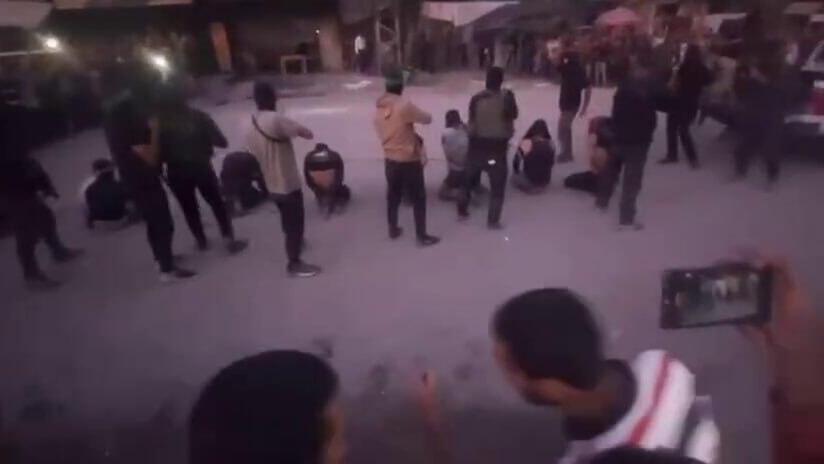
Hamas executes rivals in Gaza
Since Monday, at least 10 Hamas fighters and 20 members of rival clans or militias have been killed in violent clashes in Gaza. Eyewitnesses reported seeing Hamas gunmen reappear in public spaces — not just for handling hostages, but also directing traffic and carrying out arrests, including home raids to identify and confront members of the powerful Dagmoush clan. Dozens of bodies were taken to Shifa Hospital after the fighting.
Civil war fears mount as Hamas confronts rivals
The clashes have led to growing concerns that Gaza could spiral into civil war. Muhammad al-Mansi, a 21-year-old armed group leader opposed to Hamas, told reporters: “If Hamas attacks us, we’ll defend ourselves by all means. We won’t surrender — we’d rather die.”
According to The Washington Post, Hamas is mainly targeting rivals in Gaza City and Deir al-Balah. Middle East expert Rashid al-Mohandi explained that Hamas sees rival gangs as a threat and is using force to reassert dominance. He added that international mediators will have to “distinguish between light weapons Hamas could keep for personal defense, and heavy weapons that must be surrendered.”
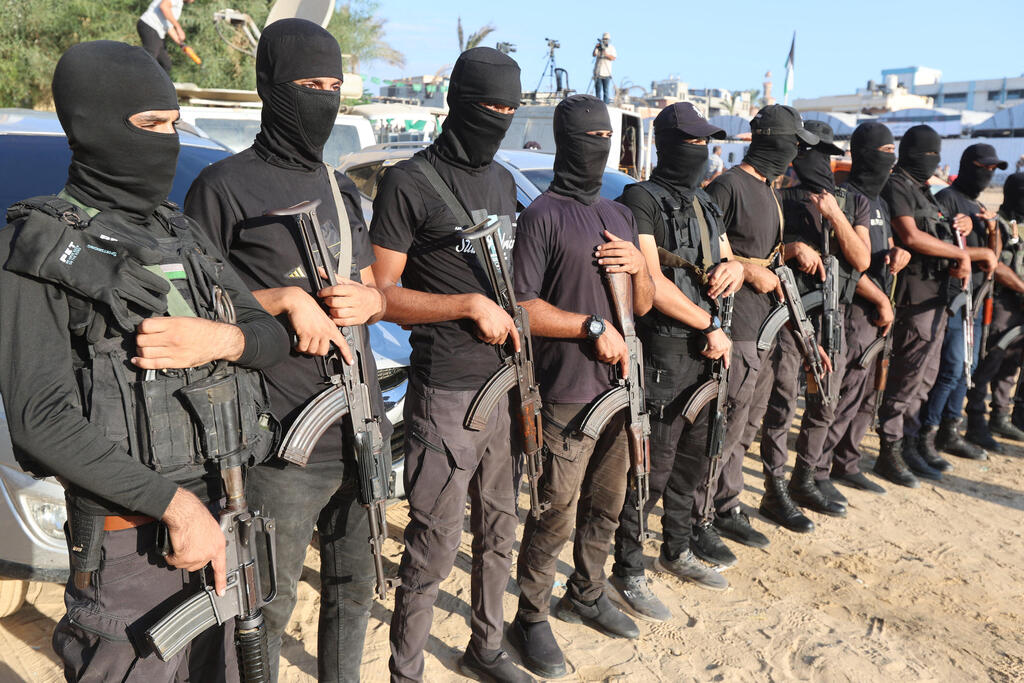
Hamas terrorists in Gaza
(Photo: Ramadan Abed/Reuters)
Despite earlier claims that it is willing to give up power, Hamas leaders continue to assert control, telling interlocutors they remain embedded in Gaza’s “social and administrative fabric.” The group has reportedly appointed new “governors” over destroyed urban areas in the Strip.
Panic buying and price hikes amid fragile ceasefire
In the meantime, Gaza residents remain fearful the war will resume, despite the fragile ceasefire. While around 600 aid trucks are entering daily, many Palestinians are stockpiling food, causing prices to spike.
Nebal Mughrabi, a mother of six now living in Khan Younis after being displaced from Gaza City, told the BBC: “Every time we feel a little safe, new threats emerge. I lost my home. I don’t trust the ceasefire, and we’re tired of being displaced.” She said market prices for staples like flour, oil, and sugar soared by 30% within hours.
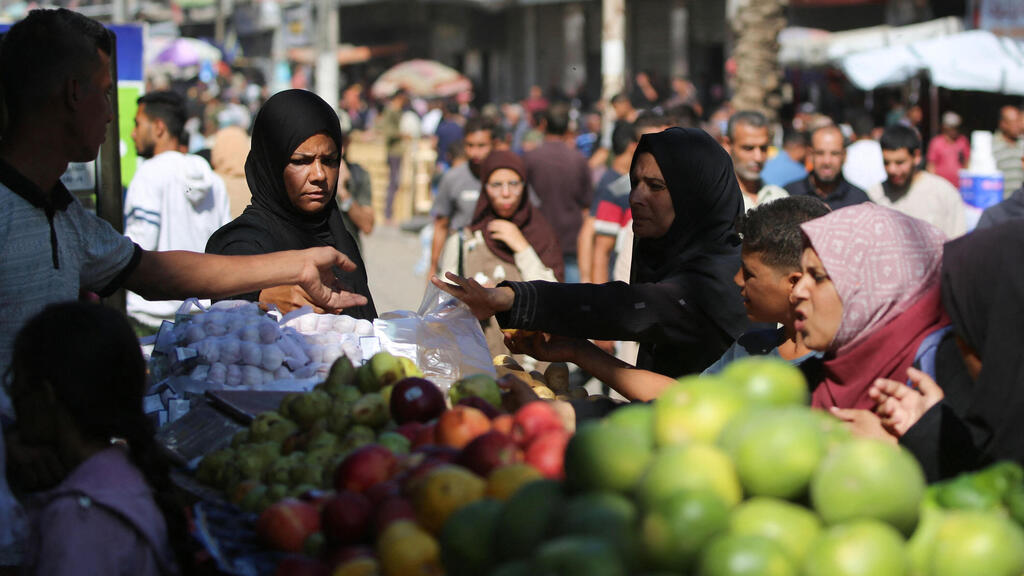
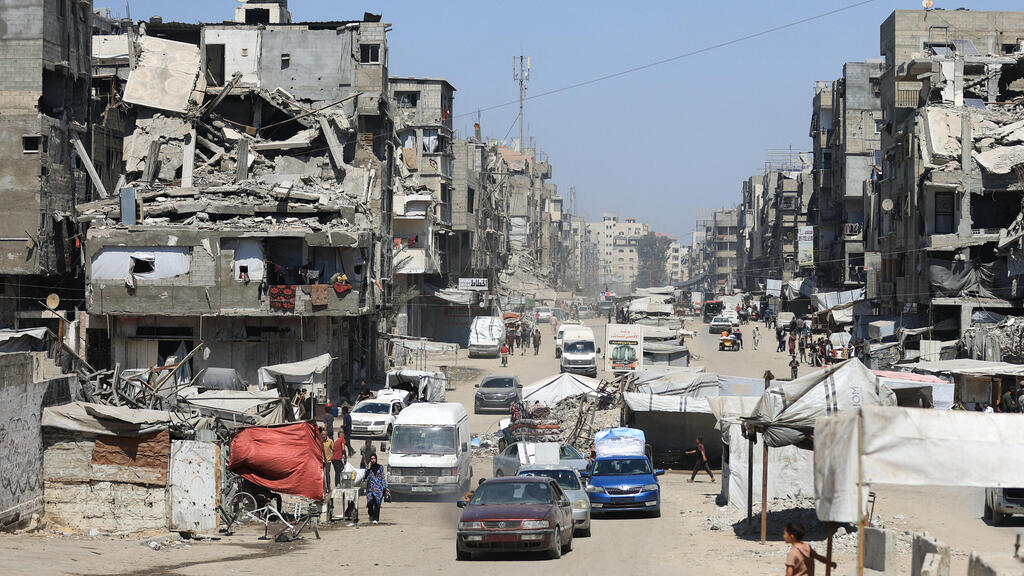
Gazans buy food at the market
(Photo: Eyad Baba / AFP)
Khaled Khalas, displaced from Gaza’s Shujaiya neighborhood and now in Deir al-Balah, said there’s no electricity, water or shelter. While shopping for vegetables, gunfire erupted nearby. “We have no protection. There’s constant shooting. Our lives are destroyed.”
Ex-intelligence chief warns: 'civil war within weeks'
Former Palestinian intelligence chief Tawfiq Tirawi warned that civil war could erupt within weeks. “How many families have been threatened by Hamas?” he asked. “Now they’re demanding weapons to defend themselves.”
“This is the scenario: civil war, soon,” he added.