


Relations between Honduras and Israel have warmed rapidly in recent months, with President Nasry “Tito” Asfura leading a dramatic shift in Tegucigalpa’s policy toward Jerusalem.
As part of the growing relationship, Israel responded to a personal request from Asfura by sending an emergency ophthalmology mission to treat Hondurans suffering from serious eye conditions.
Gallery
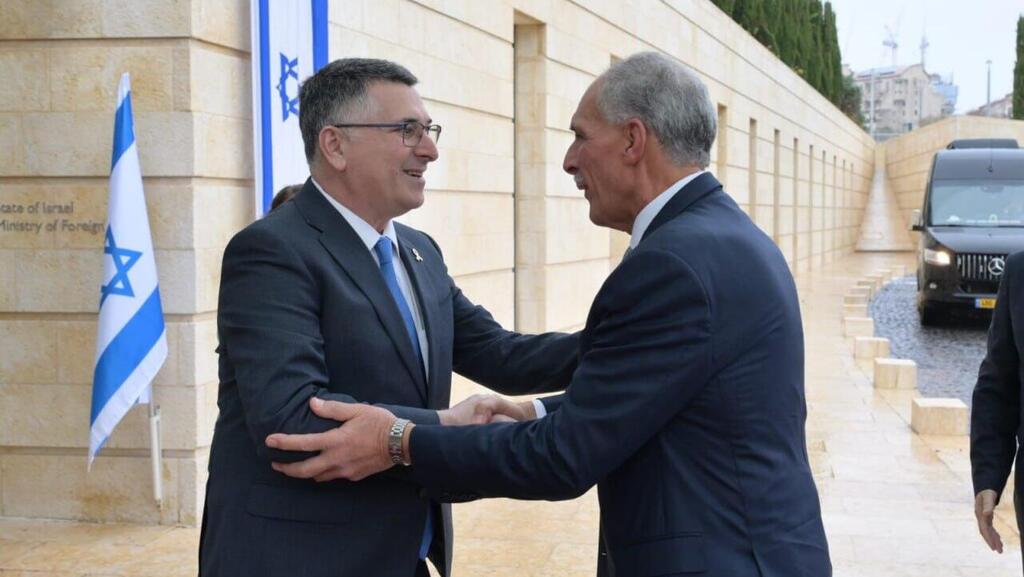
Honduran President Nasry Asfura meets Foreign Minister Gideon Sa’ar during his visit to Israel
(Photo: Shlomi Amsalem, GPO)
The Israeli delegation completed the first stage of its work Tuesday after treating 155 patients who had been waiting for medical assistance. Of those, 136 successfully underwent eye surgery.
The mission is expected to be followed by additional medical equipment, professional training and another Israeli delegation later this year.
Asfura, who comes from a family of Palestinian origin, has overseen a sharp change in Honduras’ foreign policy since his election. His government has altered the country’s voting pattern at the United Nations in Israel’s favor and announced its withdrawal from the Hague Group.
The coalition, led by South Africa and established in January 2025, seeks to coordinate legal and diplomatic action against Israel. Honduras’ departure is viewed in Jerusalem as a positive development in Israel’s efforts to counter such initiatives.
A presidential request for urgent care
The medical mission began taking shape during Asfura’s visit to Israel in January, shortly before he was sworn into office.
During a meeting with Foreign Minister Gideon Sa’ar, the president-elect asked Israel to provide urgent ophthalmological assistance to Honduran citizens.
Honduras has high rates of glaucoma and cataracts and faces a severe shortage of surgeons and suitable medical equipment.
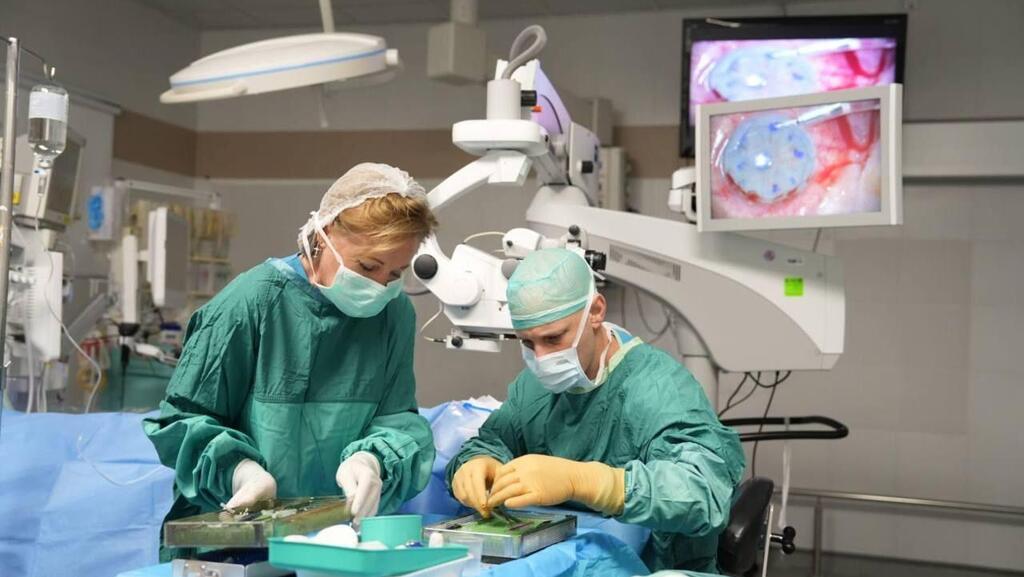
Eye surgery
Sa’ar approved the request and instructed MASHAV, Israel’s international development agency, to organize a delegation of eye specialists.
The mission was assembled with the Israeli Embassy in Honduras, led by Ambassador Nadav Goren, Sheba Medical Center and the American Jewish Joint Distribution Committee.
Israeli experts worked alongside local medical teams, treating complex cases while also providing professional training intended to strengthen Honduras’ medical capabilities after the delegation leaves.
“Despite the differences in working methods, equipment and medical practice, professional and personal ties were formed with the local medical team within a very short time,” said Dr. Emanuel Schwalb, a senior surgeon from Sheba Medical Center who joined the mission.
He described the Honduran doctors and medical workers as dedicated and welcoming professionals.
At a ceremony marking the opening of the mission, Honduran Presidency Minister Juan Carlos García expressed appreciation for Israel’s assistance.
“We are convinced that the partnership between the countries will continue to grow stronger, and we appreciate the commitment of our friends from Israel,” García said.
Goren said the mission was a direct response to Asfura’s appeal.
“For Israel, it is a privilege to place the knowledge and experience of our finest medical professionals at the disposal of the Honduran people,” he said.
More aid planned for Honduras
The current delegation is only the first stage of a broader Israeli assistance program.
Advanced equipment for treating glaucoma is expected to be sent to Honduras in August. A second medical delegation is scheduled to arrive in November, alongside a program to train local emergency teams in responding to mass-casualty incidents.
The initiative reflects Israel’s growing use of medical and humanitarian assistance as a diplomatic tool in Latin America, where recent political changes have created opportunities to rebuild relationships damaged under previous governments.
Israel sees historic opening in Latin America
The rapprochement with Honduras is part of a broader political shift across Latin America.
Governments in countries including Peru, Bolivia, Chile and Colombia that had taken hostile positions toward Israel or severed diplomatic ties have been replaced by right-wing or center-right administrations that view Jerusalem as a potential ally and strategic partner.
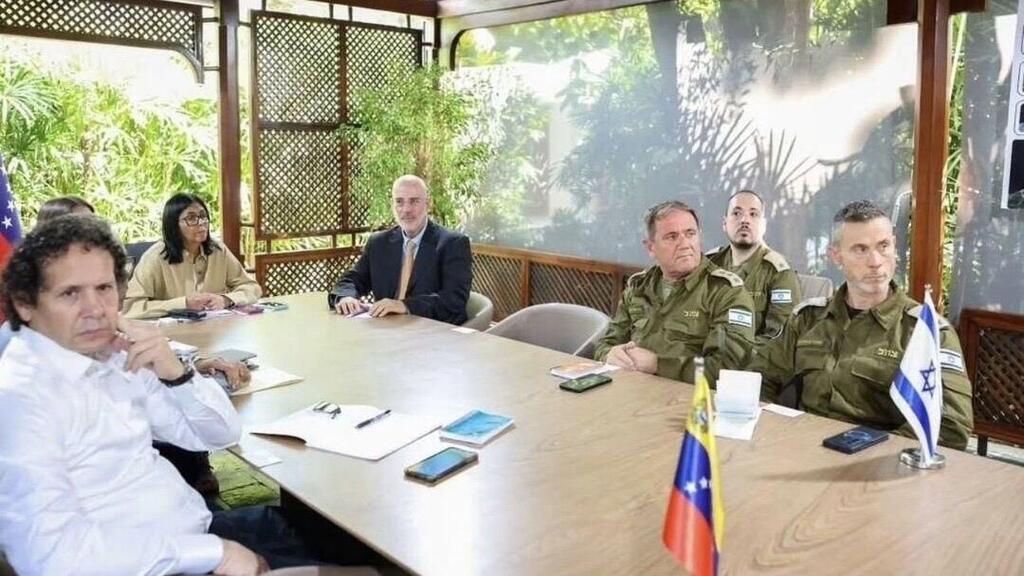
Israeli Home Front Command representatives with Venezuelan President Delcy Rodríguez
Israel’s Foreign Ministry sees the regional changes as a historic diplomatic opportunity and is working to use the momentum to restore and institutionalize ties.
The ministry has moved to appoint an Israeli ambassador to Colombia following an extended unilateral rupture in relations and an ambassador to Bolivia after the recent restoration of diplomatic ties.
Israel has also hosted dozens of Latin American delegations and arranged a series of high-level diplomatic visits.
Alongside those political efforts, Israeli personnel are continuing to operate on the ground across the region.
A joint delegation from the Foreign Ministry and the IDF Home Front Command is currently working in Venezuela under the leadership of retired Brig. Gen. Yossi Pinto.
The team is assisting local authorities in rehabilitating infrastructure in areas damaged by a severe earthquake. Its stay in Venezuela was recently extended at the request of acting President Delcy Rodríguez.
For Israel, the eye-care mission in Honduras demonstrates how practical assistance can turn a diplomatic opening into a visible partnership, delivering immediate medical care while laying the groundwork for a broader long-term relationship.