

Talks between the United States and Iran resumed Friday morning in Muscat, marking the first round of negotiations in eight months aimed at reaching an agreement over Iran’s nuclear program.
The renewed talks come as Washington seeks to expand discussions beyond the nuclear issue to include Iran’s ballistic missile program and its support for terrorist organizations across the Middle East. Iran has publicly and officially rejected that broader agenda.
Iranian Foreign Minister Abbas Araghchi arrives


Representing the United States are special envoy Steve Witkoff and President Donald Trump’s son-in-law Jared Kushner. According to The Wall Street Journal, an unusual participant is also expected to take part: Adm. Brad Cooper, commander of U.S. Central Command. Iran is represented by Foreign Minister Abbas Araghchi, accompanied by a delegation from Tehran.
Iran has portrayed the talks as limited strictly to its nuclear program. However, The New York Times reported that Tehran has agreed to discuss missiles and regional proxies as long as the primary focus remains nuclear.
Gallery
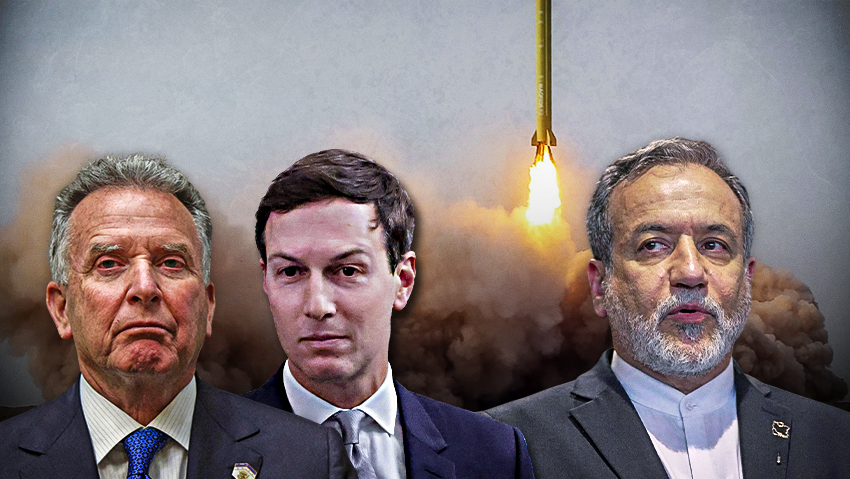
Steve Witkoff, Jared Kushner and Abbas Araghchi
(Photo: RS/Dawoud Abu Alkas, Reuters/ Evelyn Hockstein, AP/Hassan Ammar)
Ahead of the talks, Araghchi hinted that Iran has not forgotten what derailed the previous negotiations, referring to the 12-day war initiated by Israel and later joined by the United States, which erupted while additional meetings between him and Witkoff were planned.
“Iran enters diplomacy with open eyes and with a memory of the past year,” Araghchi wrote. “We act in good faith and stand firm on our rights. Commitments must be honored. Equal standing, mutual respect and mutual interest are not rhetoric, they are the foundations of a sustainable agreement.”
Before the talks began, Araghchi met with Omani Foreign Minister Badr al-Busaidi and said Iran was prepared to defend its sovereignty against any aggression, according to Iran’s Foreign Ministry.
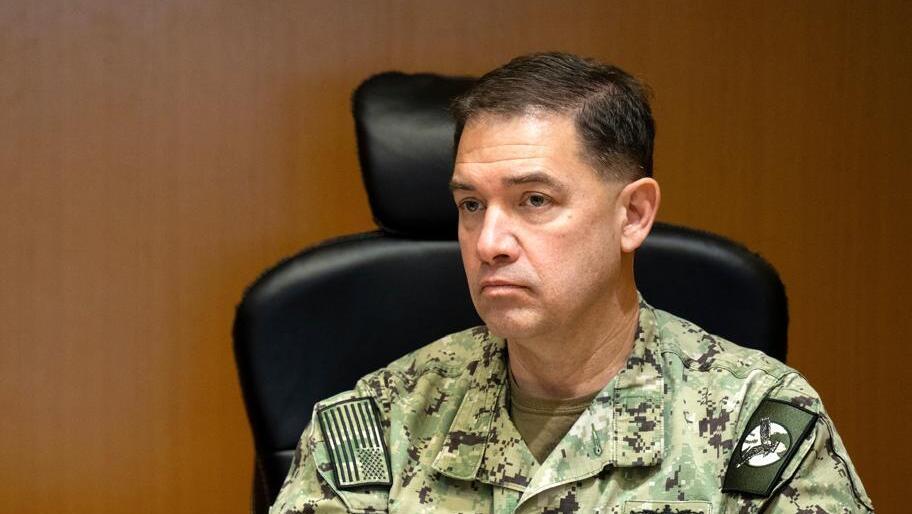
An unusual participant is also expected to take part, Adm. Brad Cooper
(Photo: IDF)
An Iranian source quoted by state-run Al-Alam television said it was difficult to predict the outcome of the negotiations, citing deep mistrust of the United States. Iran’s ISNA news agency stressed that the talks concern only nuclear issues and that any steps related to nuclear materials must recognize Iran’s legal right to uranium enrichment. Iran is also seeking swift sanctions relief, the agency said.
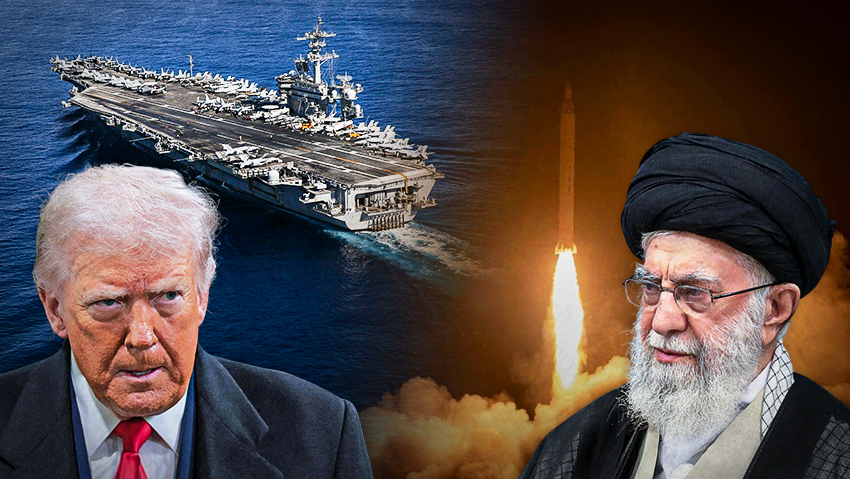
The talks take place against the backdrop of heightened tensions in recent weeks, which intensified after Trump promised Iranian protesters last month that “help is on the way.” While no such action followed, the United States deployed what Trump described as a “large armada” to the region, including the aircraft carrier Abraham Lincoln and eight destroyers.
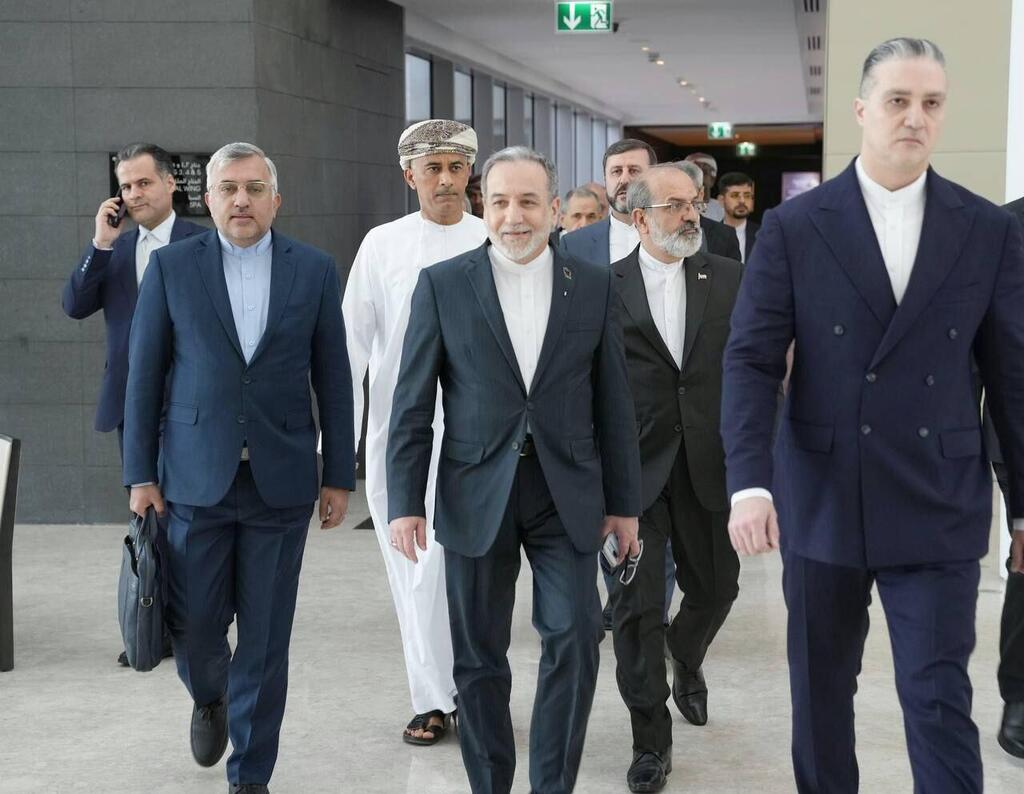
Abbas Araghchi
Trump has threatened to strike Iran if it does not reach an agreement with Washington. He has not set a formal deadline but has warned that “time is running out,” and recently said Iran’s Supreme Leader Ayatollah Ali Khamenei “should be very worried.”
NBC News reported overnight that Trump has not yet issued specific orders regarding the naval force and has not decided on targets for any potential military action. U.S. officials said the Lincoln and its escort vessels are approaching strike range of Iran, but described the deployment as a response to rising tensions rather than preparation for a specific mission. The report added that the United States has more than 450 Tomahawk cruise missiles on ships in the Middle East.
(Photo: Anna Moneymaker/AFP, KHAMENEI.IR/AFP)
In Israel, as well as among many U.S. officials, assessments suggest the chances of reaching an agreement are slim. Still, officials believe the talks could produce a positive dynamic or at least a framework for continued negotiations. Washington is not expected to allow Tehran to drag out talks indefinitely, given the high financial cost of the expanded U.S. military presence in the region.
The Muscat talks are the first since five negotiation rounds held in the first half of last year, also led by Araghchi and Witkoff, mostly through indirect channels mediated by Oman’s foreign minister. According to The New York Times, Witkoff and Kushner are expected to meet Araghchi directly again, though it remains unclear whether the talks themselves will be direct or conducted in separate rooms.
The gaps between the sides remain wide. Iran insists negotiations focus solely on the nuclear program. Araghchi said this week in an interview with CNN that if the United States refrains from pushing what he called “impossible demands,” namely limits on Iran’s missile program, a deal could be reached relatively quickly.
At the same time, reports suggest Tehran may be willing to compromise following last June’s Israeli and U.S. strikes that effectively destroyed its nuclear facilities. According to officials cited by The New York Times, Iran may accept a proposal for a regional consortium with Arab states to handle uranium enrichment for civilian energy, with enrichment carried out outside Iranian territory.